
Korean Moisturizer for Dry Skin: A Barrier-First Ingredient Guide
Looking for a Korean moisturizer for dry skin? A Gangnam dermatologist explains hyaluronic acid, squalane and label order, and how to add retinol safely.

Moisturizing, wrinkle and barrier skincare: just use it this way — skincare ingredient and product picks, 2025 edition
From Dr. Hongseok Kim's YouTube channel — Korean audio. It plays muted; tap the video to turn the sound on.

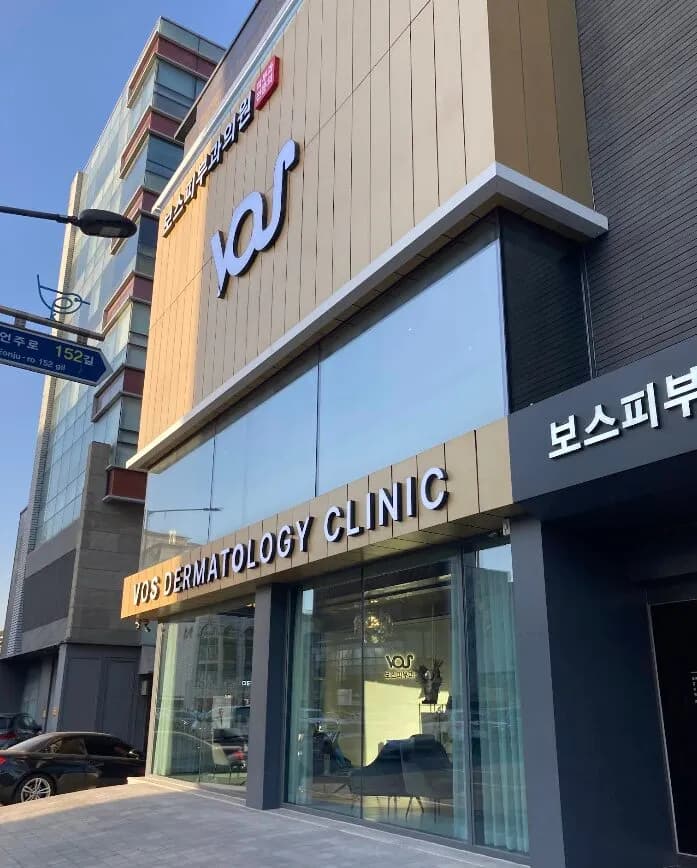
I'm Dr. Hongseok Kim, a board-certified Korean dermatologist with 21 years of practice and the medical director of VOS Dermatology Clinic in Gangnam, Seoul, in front of Dosan Park. I see every patient myself, from the consultation to the treatment.
When patients ask me for a Korean moisturizer for dry skin, my answer starts with the barrier, not the brand: draw water in, keep it there, and be careful with the active ingredients that can thin out your tolerance. In this video I reviewed the skincare ingredients that stood out in Korea over the past year, from retinol to squalane, and showed the products I tried myself. This page is based on my YouTube video from January 2025, rewritten for readers abroad, and the video above can be watched with translated captions. I leave the brand names out here and keep the reasons, because the ingredient list is what you can check on any product.
The short answer
- For dry skin, the core of a moisturizer is a water-drawing ingredient such as hyaluronic acid plus an oil that keeps water in, such as squalane; fragrance-free formulas are what I look for first.
- Squalane feels light because it is almost the same shape as the squalene in our own sebum; a few drops mixed into your cream can raise moisturizing power when a cream alone is not enough.
- Retinal is stronger and more irritating than retinol at the same concentration; skin that is red, thin, very dry or sensitive should start small, use it at night and finish an opened product within about three months.
- Silica spicule products speed up turnover and help later products absorb, but on a fragile barrier they need spacing, sunscreen, and about a week's pause after a clinic procedure.
Hyaluronic acid: the water-drawing step, fragrance-free
Short answer: hyaluronic acid pulls water into the skin and now appears in a large share of skincare products, so for dry skin the questions are which form and whether the formula is free of fragrance (in the video at 09:47).
Hyaluronic acid draws water and also acts as a signalling substance in the skin, which is why it matters so much for winter moisturizing. Its molecule is large and hard to absorb, so products now split it into several forms: sodium hyaluronate crosspolymer, hydrolysed sodium hyaluronate, sodium acetylated hyaluronate and others (in the video at 10:00). A long list of these names is one ingredient family in different sizes, not a crowded formula (in the video at 11:48).
Low-molecular serums feel slightly sticky and viscous, which suits a dry environment. With a humidifier running, they can pull water from the air and hold it on the skin (in the video at 11:03). The thing I care about most when choosing these products is that they have no fragrance (in the video at 12:04). Remember that drawing water in is only half the job; for dry skin something has to keep it there, which is the next step.
Squalane: the step for skin that stays dry
Short answer: squalane is a light oil that closely matches the squalene in your own sebum, so adding it to your cream raises moisturizing power without heaviness (in the video at 12:18).
Squalane has been used for a long time, but I think it is still underrated for what it does. Early squalane came from animal sources such as shark liver; today it is mostly refined from plants such as grape seed, canola, sunflower, olive and sugarcane (in the video at 12:42). Because its shape is almost the same as squalene, a component of sebum, it feels much less heavy than other oils on the skin (in the video at 12:59).
If your cream is no longer enough in winter, mix two or three drops of squalane oil into it (in the video at 13:18). People whose body skin is very dry, cracked or itchy, and who feel their moisturizer is not doing much, can do the same (in the video at 13:27). With a high-squalane oil, dry skin can take up to about five drops, while skin that is oily yet tight needs only one or two (in the video at 16:01). It can be used on its own or mixed with your other products.
Reading the label of a moisturizing cream
Short answer: look at what comes right after water; when an oil such as squalane sits there, the cream is oil-led and should hold water well (in the video at 13:51).
In the cream I showed, squalane was listed directly after purified water, which tells you the formula is built around oil, with smaller amounts of water-drawing ingredients such as hyaluronic acid forms alongside. A cream like that can be enough on its own for many people, but very dry skin may still need a separate hyaluronic acid layer or extra oil (in the video at 14:27). Some creams also add acetyl hexapeptide, a peptide aimed at expression lines; absorption limits what it can do, so do not expect it to relax muscles the way an injection does (in the video at 14:36). Moisturizing remains the main job.
Retinol and retinal on dry skin: start low, go slow
Short answer: retinol and retinal are useful for wrinkles and pores, but retinal is stronger and more irritating, so dry or sensitive skin should begin with a small amount and build up (in the video at 00:50).
Retinol converts to retinoic acid in two steps, while retinal needs only one, so at the same concentration retinal acts more strongly and can also sting more (in the video at 01:42). Retinoic acid itself is a prescription medicine; skincare uses retinol and retinal. My rule never changes: use a little, increase gradually, and if your skin stings or becomes uncomfortable, stop and restart later (in the video at 02:01). One reason I like retinol formulas that also contain cica ingredients is that the retinol can make skin a little sensitive while the cica helps the barrier recover (in the video at 03:00).
For dry skin this is the key caution. People with healthy, sturdy skin rarely have a problem, but skin that reddens easily, is thin, very dry or reactive needs care with a retinal product at the start (in the video at 04:06). Use these products in the evening, and finish an opened tube within about three months, because oxygen exposure can lower potency and change the colour (in the video at 04:31).
PDRN and spicule products: what they mean for a fragile barrier
Short answer: PDRN is a regeneration ingredient borrowed from medicine, while silica spicules irritate the surface on purpose, which can help absorption but must be dosed gently (in the video at 05:03).
PDRN, polydeoxyribonucleotide, is derived from DNA material and was used in hospitals for a long time to help skin regenerate and wounds recover; in skincare it is used with steady application for anti-ageing (in the video at 05:05). If PDRN for dryness interests you, my article on PDRN in Korea for dry skin compares the cream and injection routes.
Spicule products contain tiny silica needles that lodge in the surface. The skin tries to push them out, turnover speeds up, and the micro-channels help the next products, such as hyaluronic acid, PDRN or other moisturizing and repairing ingredients, absorb better (in the video at 06:52). The same mechanism can tip into inflammation if you overdo it. Do not be greedy: start about every three days, narrow the interval only if skin stays comfortable (in the video at 07:39). When I rubbed a higher strength on vigorously out of curiosity, my skin reacted, which is exactly what a sensitive or dry barrier should avoid. Wear sunscreen more carefully during the day, and after a clinic procedure give the skin about a week to recover before using them again (in the video at 08:51).
How I would build a routine for dry skin
Short answer: moisturizing comes first, PDRN supports recovery, and retinoids address wrinkles; the most basic, well-made products are the ones that keep proving themselves (in the video at 16:17).
For dry skin I would put the hydrating and sealing steps in place first, then add actives one at a time so you can tell what your skin tolerates. If your skin is oily rather than dry, my page on choosing a Korean moisturizer for oily skin explains how to keep these steps light. When reactive skin is the bigger issue, my note on a barrier-first face pack routine is a good next read. At the clinic we start with skin type analysis with VOS Skin MBTI, because skin that feels dry can behave very differently underneath. You can also see creator experiences at VOS.
Results vary from person to person, and the right plan for your skin is decided at an in-person consultation.
Key moments in the video
Treatments discussed in this video

Real visitors who had it at VOS
Creators and patients who filmed or wrote up their own treatment at VOS.
Keep reading on the blog

PDRN in Korea for Dry Skin: What Helps and What to Pair
PDRN in Korea for dry skin: dryness vs dehydration, where salmon DNA helps, when hyaluronic acid works faster, and listed prices. VOS Dermatology, Gangnam

Korean Face Pack for Glowing Skin: Barrier First, Glow Second
A korean face pack for glowing skin hydrates the surface for hours. Who packs suit, why they sting, and when clinic care fits. VOS Dermatology, Gangnam.
Q&A — what viewers ask Dr. Kim
What should I look for in a Korean moisturizer for dry skin?
My cream is not enough in winter. What can I add?
Can I use retinol if my skin is dry or sensitive?
Are spicule (microneedle-like) skincare products safe for a weak barrier?
Why do some hyaluronic acid products list so many ingredients?
Results, swelling and recovery vary from person to person. This page is general information from VOS Dermatology Clinic based on Dr. Kim's video and does not replace an in-person consultation.
About Dr. Hongseok Kim
Dr. Kim performs your VOS Skin MBTI himself — from the first skin analysis to the follow-up check.
Dr. Kim focuses on aesthetic dermatology — skin regeneration, facial contour and healthy ageing — and builds each plan from a close look at the individual patient's skin and goals, aiming for natural, refined results.
At VOS the same specialist is responsible for the whole course of care: diagnosis, the procedure itself and follow-up. An accurate reading of skin structure and how it changes is what makes results more complete and keeps the risk of side effects low.
Credentials & appointments
- Current
- Medical Director, VOS Dermatology Clinic
- Board-certified dermatologist
- Education
- Graduated first in class, medical school
- Academic appointments
- Adjunct Professor, Dept. of Medical Aesthetics, Cheongju University
- Adjunct Professor, Dept. of Beauty Medical Science, Dongguk University
- Professional leadership
- Director, Korean Dermatologist Association (KDA)
- Director, Korean Association for Anti-Aging Dermatology (KAAD)
- Committees
- Academic Committee Member, Korean Dermatological Association
- Information Committee Member, Korean Dermatologist Association (KDA)
- Memberships
- Korean Society for Dermatologic Functional Medicine
- Korean Society for Laser Medicine and Surgery
Brand advisory
- Skincare
- The Scent
- SkinCeuticals
- La Roche-Posay
- AHC
- Bioderma
- Etat Pur
- Injectables
- Juvelook
- Revive
- Lafullen
- Rejuran
- Devices
- Ulthera
- Thermage
- Sofwave
- CoolSculpting
- Mirajet
Lecturing, live demonstrations and brand education — in Korea and across Asia.
- presentations & lectures listed
- 116
- years covered by the list
- 2016–2026
- in 2023, the busiest year listed
- 25
 Lecture
JULIA SUMMIT GLOBALJuvelook Journey — invited lecture · 2025  Conference
APS Korea 2026Aesthetic Plastic Surgery Korea · 2026  Conference
28th KDA Spring ConferenceKorean Dermatologist Association · 2026  Conference
KOREADERMA 2025COEX, Seoul · 2025  Live demo
IMLG 2025Live injection training for international physicians · 2025  Lecture
JULIA SUMMIT ASIA 2025Presentation, Hong Kong · 2025  Live demo
IMLG 2025Faculty & attendees · 2025  Brand event
SkinCeuticalsNext Beauty Code, Taiwan · 2025  Live demo
IMLG 2025Live demonstration, explained step by step · 2025  Brand event
COSRXBrand event, Seoul · 2025
Selected international & major meetings
- 2026
- APS Korea 2026
- 28th KDA Spring Conference
- Invited lecture, Baim Global Jupiter Symposium
- 2025
- JULIA SUMMIT GLOBAL – Juvelook Journey
- JULIA SUMMIT ASIA 2025Hong Kong
- KOREADERMA 2025
- SkinCeuticals: Next Beauty CodeTaiwan
- 9th KDA procedural skills training
- 2024
- AMWC-TDAC Taiwan
- Juvelook Launching Symposium in Taiwan
- KSDS 2nd International Congress Seoul
- 1st Ulthera Focus Group Meeting
Show 2 earlier yearsShow fewer
- 2023
- AMWC Japan
- 41st Annual Meeting, Japanese Society of Aesthetic Dermatology
- ACDS 2023
- MEVOS Dalian
- 2022
- ASLMS (American Society for Laser Medicine & Surgery)
- 13th I-SWAM Indonesia Convention Exhibition
Broadcast
- Morning N — hyperhidrosis and choosing cosmetics
- “Golden time of skin lifespan” (Jul 2021)
- Park Yong-kwan's Radio Show — regular Monday guest
- Good Morning — spring sunlight and skin (Mar 2023)
- Jo Woo-jong's FM Daehaengjin — Dr. Family corner
- Men On Air — summer skin care
Papers & books
- Juvelook Comparative Pain Assessment
- Cosmetic Counseling Expert Course
- Cosmetic Ingredients for Skin Care
Source: VOS Dermatology's official Korean profile of Dr. Kim.
Meet Dr. KimBefore you book, hear it from the doctor himself.
Slide through 17 videos on lifting, skin boosters and travelling for treatment. Korean audio — everything plays right here.
Travel"Flying tomorrow, no bruising or swelling?" Top 3 No-Downtime Lifting (Ultherapy prime,Sofwave,Opus)
LiftingAfter Ulthera & Thermage, What's Next? Dermatologist with 21 Years of RF Experience Breaks It Down!
Skin boostersA Dermatologist with 21 Years of Experience Breaks Down the Skin Booster Family Tree
JuvelookMust-Know Before Getting JuveLook! | What It Can & Can’t Do, Clinic Tips by Dr.DTS
JuvelookPairing Juvlook with This Can Double the Firming Effect (And Ease Nodule Concerns)
JuvelookEverything About Juvelook — Effects, Real Treatment Review, Rejuran Comparison
Skin boostersDoctors Won’t Talk About This Treatment Yet… So I’m Revealing Everything | ECM Skin Booster Q&A
Skin boostersWhy does 'that' super famous skin booster contain 'filler' ingredients?
Skin boostersGOURI Is Korea’s Hottest Skin Booster — But What About the Bruising?
Anti-agingSurface Treatments vs Deep Treatments | Which One Actually Makes You Look Younger?
AftercareDid you just pay a fortune for a dermatology treatment? You'll 100% regret skipping this video.
Dr. KimSorry to my patients... I tried it on myself first (21-Year Derm's Self-Treatment Full Process)
BodyTrapezius Slimming for Sharp Shoulders ✨ How to Get That Clean, Angular Look (Spring/Summer Must)
Travel22-Hour Flight + High-Altitude UV: The One Thing a Dermatologist Used the Whole Time
ResearchScientists Erased a “Mark of Aging” Once Thought Irreversible | A New 2026 Aging Study | Dr. PIALNAM
PoresWhy Your Pores Won’t Shrink | What Actually Works? | Dr. DTS
SkincareWhy Your Expensive Vitamin C Isn’t Working|How to Use It for Better Absorption|Dr. PIALNAM
VOS Shorts
Get to know VOS in seconds — 60-second answers from Dr. Kim to the questions you’d ask in the chair. Everything plays right here.
How to get Juvelook without side effects nodules
How long does Sofwave last?
Boost Your Results with Sofwave!
RE-TOURN! It's Different from Collagen Injections
Juvelook Skin Rejuvenation Effects
How many Ultherapy Prime shots are enough?
Want to look younger!?
Skin Booster: Myths and Facts
Most of Your Allergy Test Results Came Back Positive?! You Might Have OOO Syndrome!
More Isn’t Always Better!? How to Properly Use Moisturizer
Does Snail Cream Actually Contain Snails?
Hands-Free Exercises to Smooth Out Smile Lines
The Secret Habit of People Who Stay Healthy and Live Longer (Worth Millions)
Cleansing oil for sunscreen? Double cleansing? You’ve been doing it all wrong...
Father's Wisdom on Shaving (Secret to Avoiding Cuts)
If nothing you apply stops the dryness
What if you blindly apply too much sunscreen without knowing 'this ingredient'? Your skin will br...
2 Skincare Ingredients a Dermatologist Will Never Use (Be Extra Careful!)
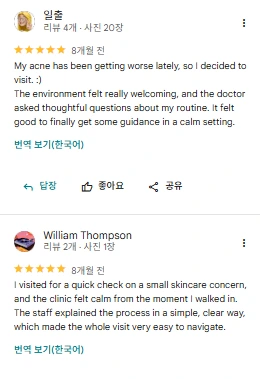
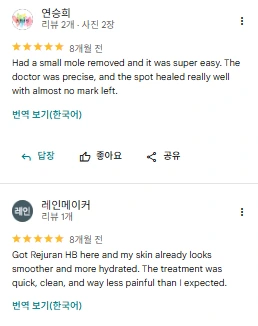
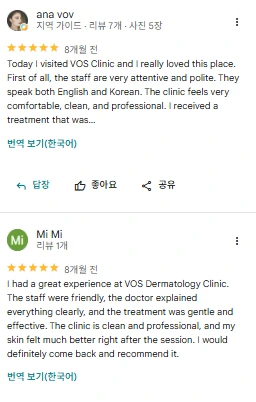
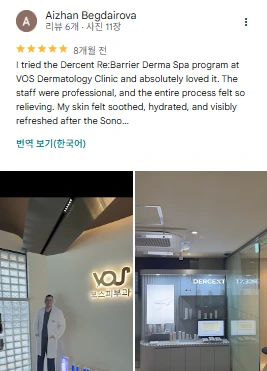
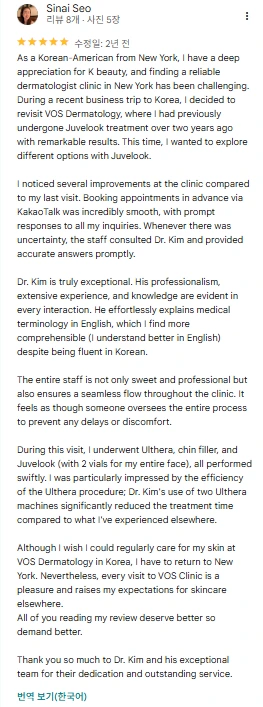
What international patients wrote on Google Maps.
Screenshots of public reviews left on Google — in their own words, unedited. Experiences and results vary from person to person.
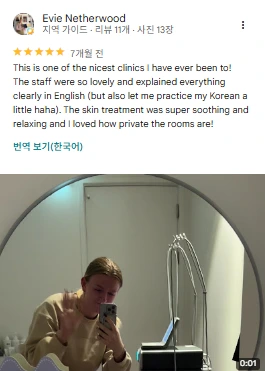
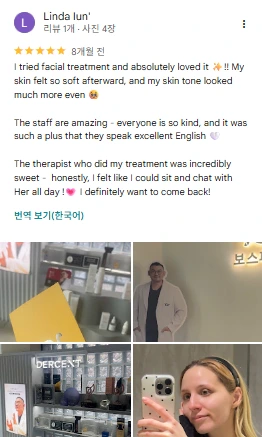
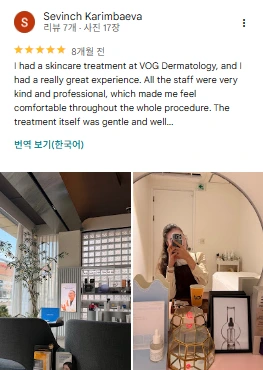
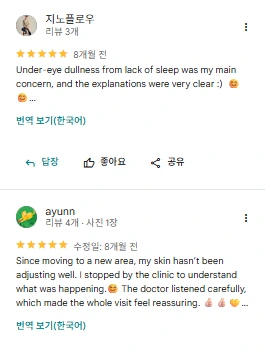
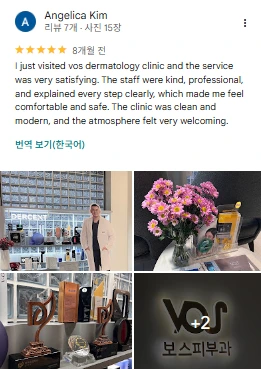
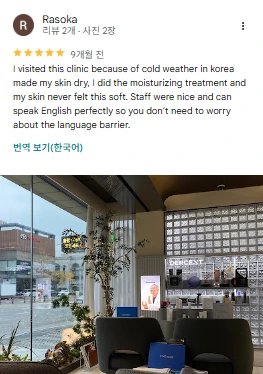
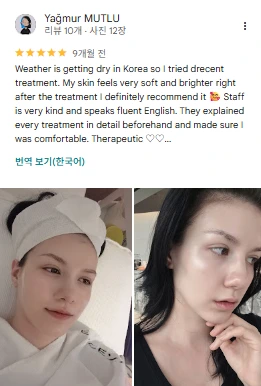
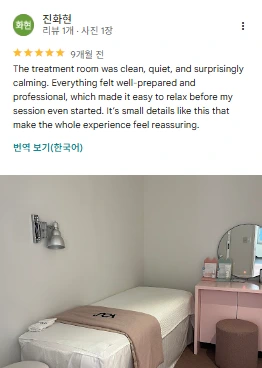
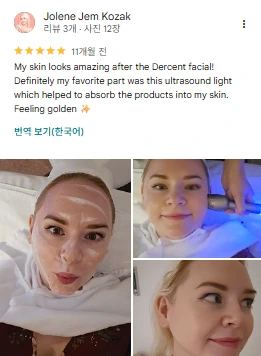
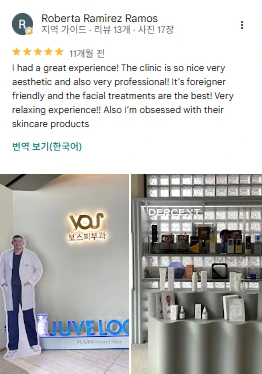
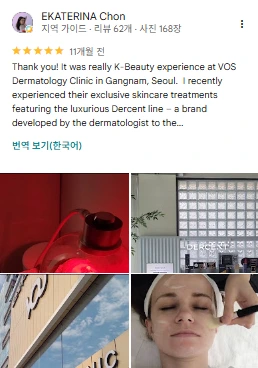
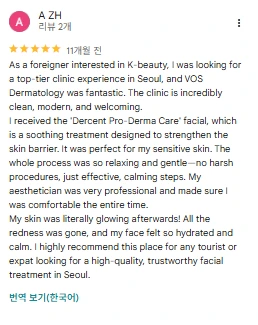
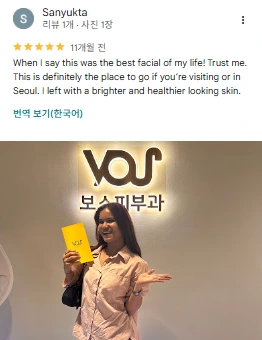
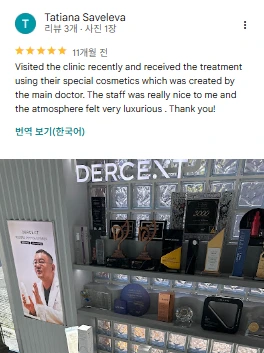
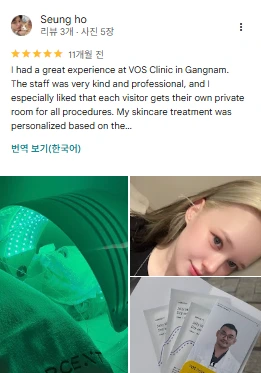
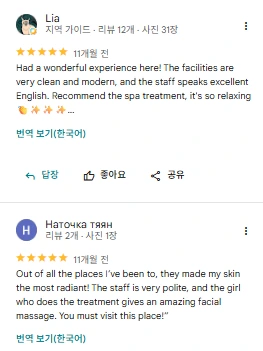
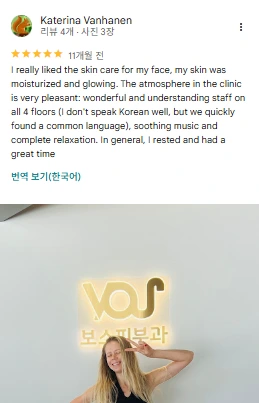


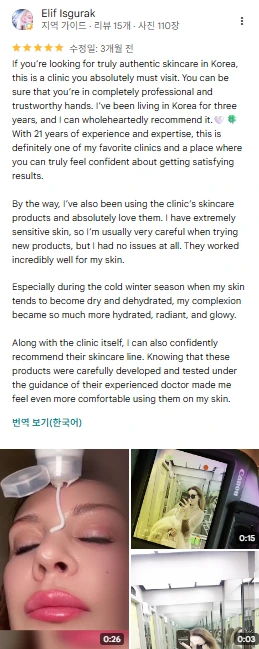
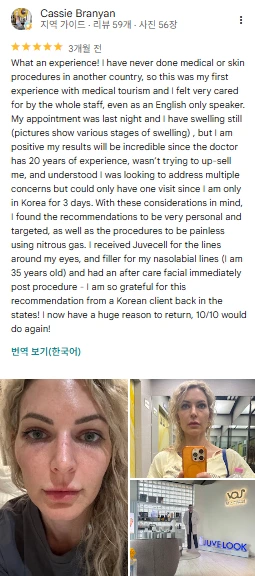
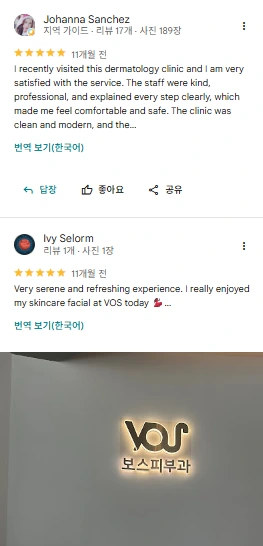
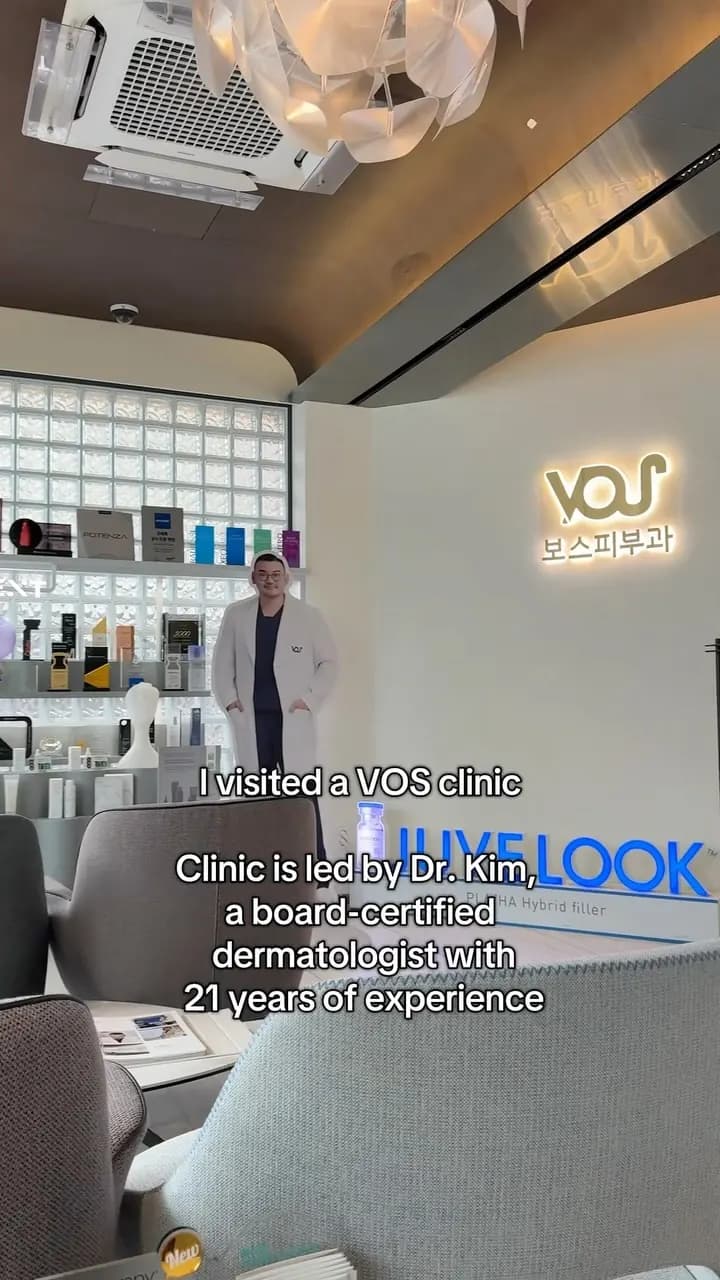
Creators who filmed their treatment at VOS.
Each video comes with Dr. Kim's notes on what was done, why, and the listed price. Opinions are the creators' own; results vary.
Redness, Pores and Uneven Tone in Seoul: A Real Patient Case
Aizhan came to Seoul with three concerns at once: redness, enlarged pores and uneven tone. I explain how I build one plan for skin like hers, and what it realistically changes.

Gouri and Belotero Revive in Seoul: A Mother’s Skin Booster Case
Rina brought her mother, visiting from abroad, for a surprise skin treatment. I explain why we paired Gouri, a PCL collagen stimulator, with Belotero Revive, and what to expect.

Juvelook, Anti-Wrinkle Injection and Rejuran Lips in Seoul: A Natural Refresh Case
Oxana wanted to refresh her lower face and neck without looking done. I explain her combination of laser, Juvelook, anti-wrinkle injection and Rejuran in the lips, and why lips can be treated for quality, not volume.

Skin Smoothing Injection + ECM Booster in Seoul: A Real Case for Textured Skin
Heli’s skin looked textured and stiff even under makeup. I explain why we paired skin smoothing injection with an ECM booster, what ECM actually means, and how the plan was built for her skin.

Skin Smoothing Injection + Rejuran HB in Korea: A First-Timer’s Real Case
Suhandi was scared of needles and had never had a skin treatment. I explain why we paired skin smoothing injection with Rejuran HB, what the session felt like, and when results show.

Thulium Laser, CO₂ Spot Removal and Nuviju in Seoul: A Real Case
Manel stopped posting because she no longer liked her skin. I explain her one-visit plan: a full-face thulium laser, CO₂ for spots and Nuviju for the chin and jawline.
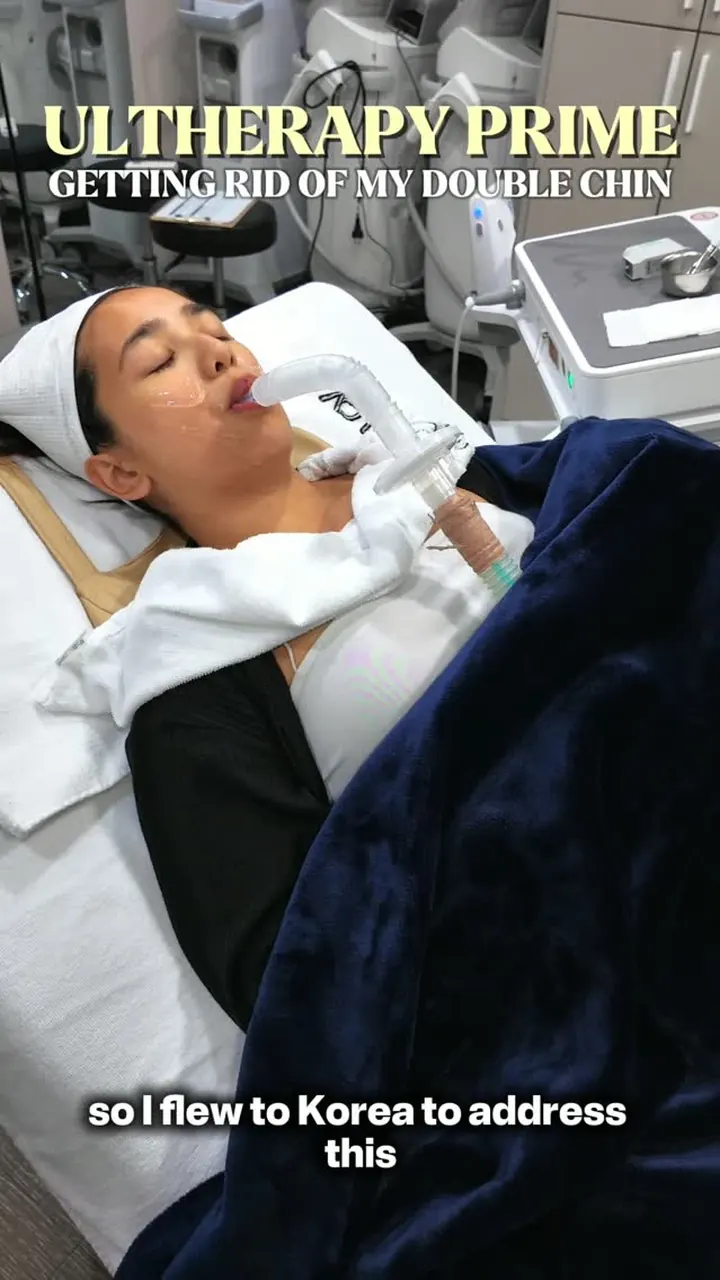
Ultherapy Prime for a Double Chin in Korea: A Real Case
Krisha flew to Seoul to tighten the area under her chin. I explain what Ultherapy Prime does there, when a double chin is fat rather than laxity, and what to expect after.
VOS Dermatology Blog
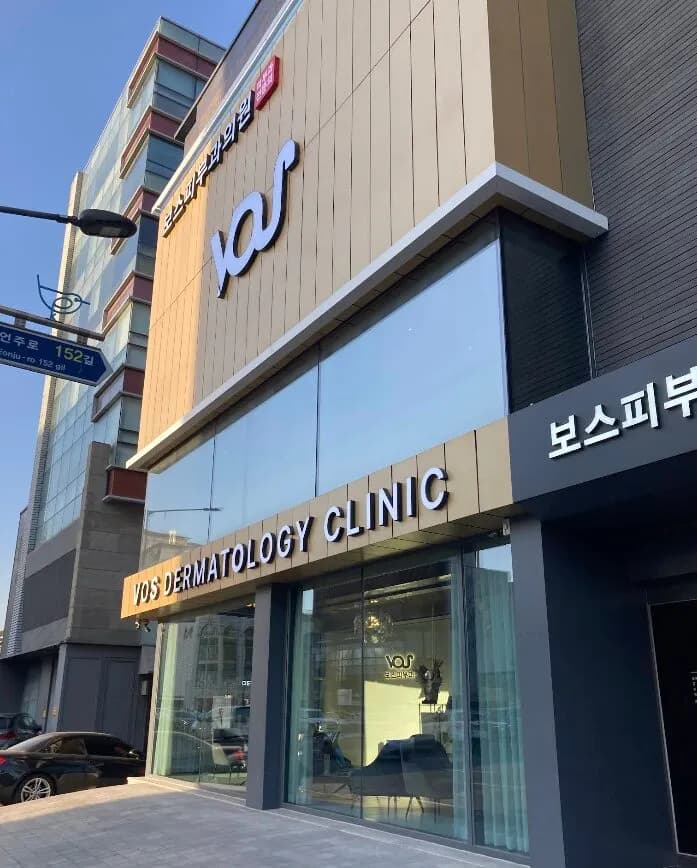
Korea Rejuran Recovery Program: How Long? Cost, Reviews, Types
How long a Korea Rejuran recovery program takes: bumps usually settle in a day or two, sessions sit a month apart. Dr. Hongseok Kim, VOS Dermatology…

Korea Rejuran Recovery Center Worth It? Cost, Reviews, Methods
Need a Korea Rejuran recovery center? Usually not. Who should wait, what reviews get wrong, methods and the cost factors, from VOS Dermatology, Gangnam.
Korea Juvelook Recovery Program: How Many Days? Cost, Reviews
Korea Juvelook recovery program: bumps often settle in days, collagen takes weeks. Trip days, cost factors and reviews from VOS Dermatology, Gangnam.

Need a Korea Rejuran Recovery Facility? Cost, Reviews, Methods
A Korea Rejuran recovery facility is rarely needed: about 30 minutes in the chair, 2–3 days of possible swelling. Send a photo. VOS Dermatology, Gangnam.

Which South Korea Beauty Injection? Cost, Reviews, Methods
A South Korea beauty injection can mean a wrinkle-relaxing, filler, booster or fat-dissolving shot; each suits a different face. VOS Dermatology, Gangnam.

Korean Skin Booster Injection Price: What Sets It? Reviews
A Korean skin booster injection price depends on product, mL, sessions and numbing. Dr. Hongseok Kim at VOS Dermatology, Gangnam, explains each factor.