Need a Korea Rejuran Recovery Facility? Cost, Reviews, Methods
A Korea Rejuran recovery facility is rarely needed: about 30 minutes in the chair, 2–3 days of possible swelling. Send a photo. VOS Dermatology, Gangnam.

Are you booking Rejuran for your mother in Seoul and wondering if she'll need a Korea Rejuran recovery facility afterwards, the way people book one after surgery?
Read this before you pay for extra nights anywhere.
By the end you'll know what her recovery looks like day by day, what reviews get right and wrong about the bumps, which Rejuran method fits which skin, and what decides the cost. With that, you can plan the trip around her skin and your budget.
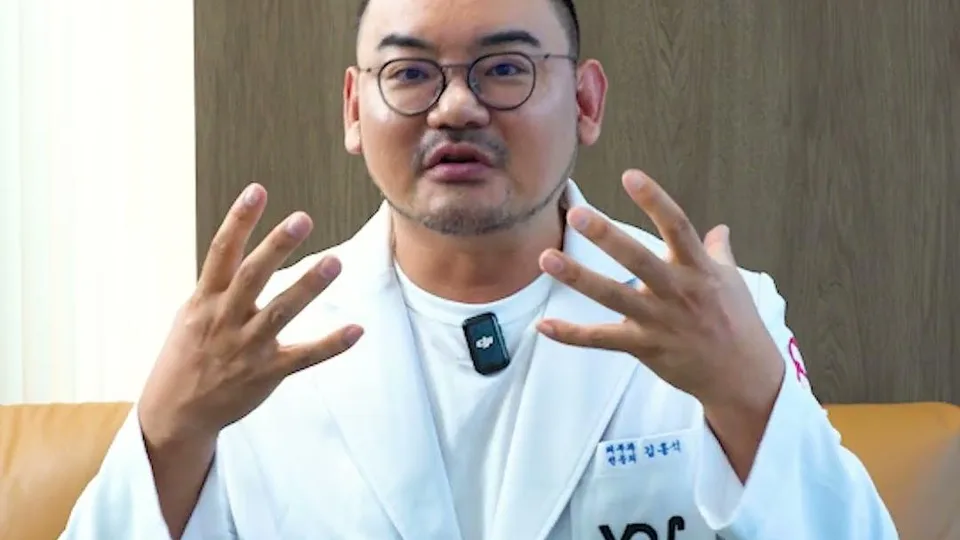
Hello, I'm Dr. Hongseok Kim, a board-certified dermatologist with 21 years in dermatology and the Medical Director of VOS Dermatology Clinic in Gangnam. I do the consultation and the injections myself.
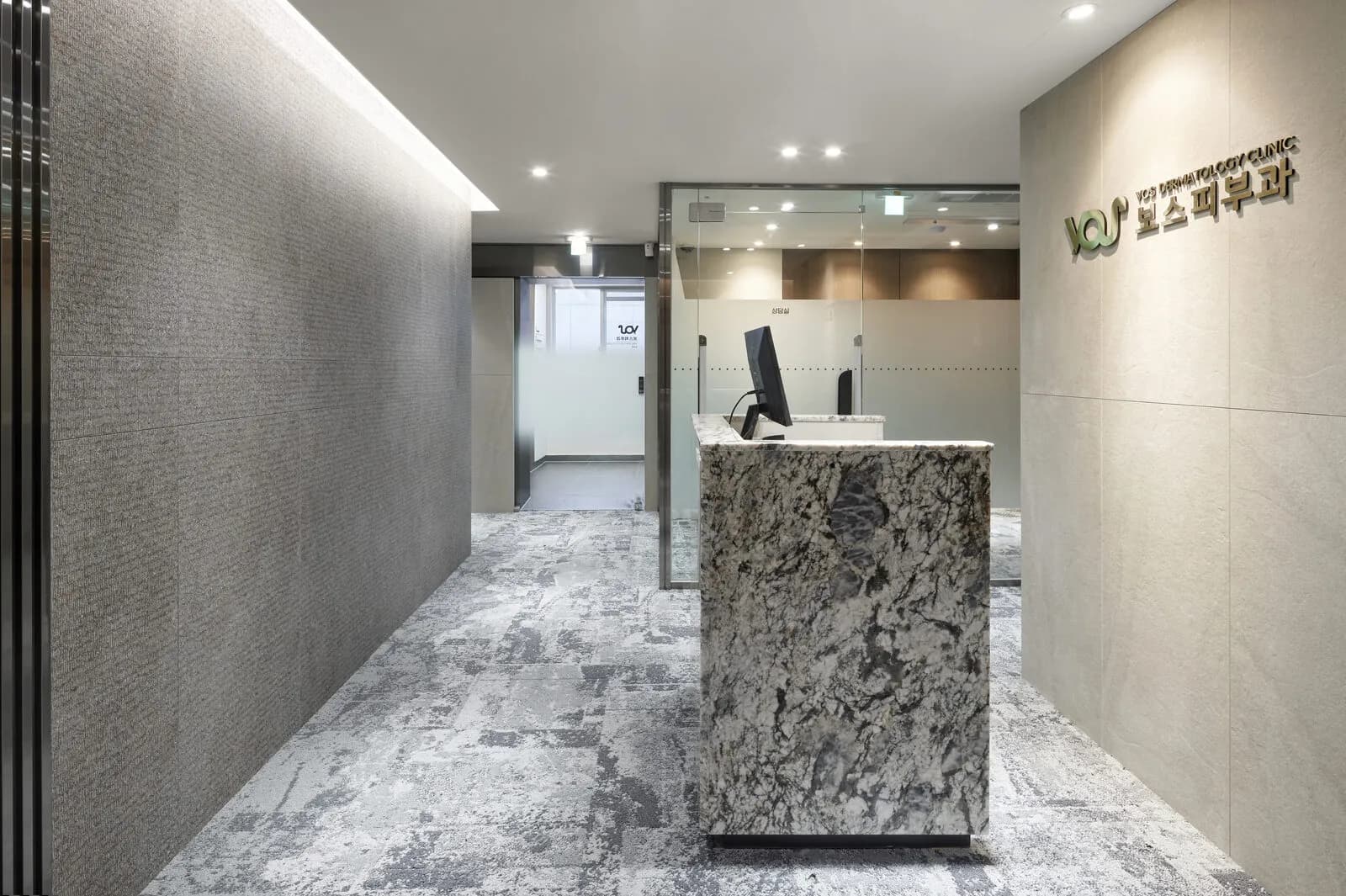
The clinic is a single four-floor building in front of Dosan Park. Two recovery services are inside it: a Vacumed room on the first floor and a hyperbaric oxygen chamber, both on our Better Body Balance menu.
I'm writing this because travelers often budget for a staffed recovery stay out of habits formed around surgery, and Rejuran heals on a much smaller scale.
For most people, Rejuran doesn't call for a recovery facility. My clinic's treatment notes list about 30 minutes for a session and possible minor swelling, bruising or redness for 2–3 days, so a hotel room and a quiet evening usually cover it. The planning goes into the three-session course and into the reasons some skin should wait.
If you're unsure whether her skin and her dates fit, send one daylight photo of the area she'd like treated and your travel dates on WhatsApp, along with the question you most want answered: how many quiet days should she keep after each session?
Send her photo and your dates on WhatsApp
What does Rejuran recovery look like, day by day?
Rejuran is a polynucleotide (PN) booster made from purified salmon DNA. It goes into the dermis through many small injections spread across the area, unlike volume filler, which is often placed as one deeper deposit. That detail shapes the whole recovery. What she sees afterwards is a pattern of small raised points where the product sits, plus the odd bruise where a needle met a tiny vessel.
Those raised points are what alarm people in a hotel mirror. For many people they flatten within a day as the product settles into the skin. Swelling and redness can take the 2–3 days in my notes. Bruises keep their own clock and may take longer to fade, especially on thin skin or when someone takes a medicine that thins the blood.
| When | What's usual | What she can plan |
|---|---|---|
| The session | About 30 minutes of injections | A light afternoon after it |
| First evening | Small raised points, some redness | Dinner near the hotel, no sauna |
| Days 1–3 | Swelling and redness settling, a possible bruise | Most sightseeing; ask us when makeup is fine again |
| About a month later | Skin quality building | The next of three sessions |
| By about 12 weeks | Improvement visible | Results that usually last around six months |
The improvement doesn't show on day one. PN supports the skin's own repair, so change builds over weeks, and three sessions about a month apart is the standard protocol. On side effects, a 2024 systematic review in the Journal of Cosmetic Dermatology found that the reactions reported across studies were local and mild, such as pain, swelling, bruising and redness. They typically resolved within a week, and none of the included studies reported severe adverse events.
General aftercare advice for skin injections is to skip saunas, hot baths, hard workouts and alcohol for the first day or so, and to keep hands off the area. None of that needs a facility. It needs a hotel and an early night.
Does she need a recovery facility, or just a hotel room?
After facial surgery, some travelers stay somewhere with nursing support while swelling peaks over several days. Rejuran doesn't create that kind of wound. There's no incision, no stitches and no general anesthetic to wake up from, and she walks out of the clinic on her own. For Rejuran alone, I don't think a staffed recovery stay is a good use of your money.
Our building does have recovery services, and they're worth knowing about for what they are. Vacumed is intermittent vacuum therapy designed to improve circulation and speed up post-treatment recovery. Hyperbaric oxygen is high-pressure oxygen therapy to support recovery and tissue healing, and on our menu it's there to shorten downtime after procedures. Both are optional and decided with me at the consultation. For a Rejuran-only visit I'd treat them as an extra, never a requirement. You can see what the Better Body Balance recovery menu covers before you decide.
Say your mother is 63, with thin, finely lined cheek skin, a daily low-dose aspirin from her cardiologist, and a flight home on day five. Here's how I'd reason. The aspirin raises her chance of bruising, and whether to pause it is her cardiologist's call, never a decision made for a trip. So I'd put her session early in the stay, not on the day before the flight. That lets swelling settle while she's still in Seoul and gives any bruise time to start fading. I'd also want you both to know from the start that, with three sessions as the standard, this visit begins the course and doesn't complete it.
Mind the calendar too. The clinic is closed on Wednesdays, Sundays and public holidays, and Saturday hours end at 16:00. A five-day trip can hold fewer clinic days than it looks.
In short, a Korea Rejuran recovery facility answers a problem that Rejuran rarely creates. Her days in Seoul are better spent getting the timing right.

How I approach the method: Healer, HB+ or the eye line
Every skin is different, so I don't start from a product. Her plan starts with a skin analysis, and only then do I choose the Rejuran line, the amount and the placement. The clinic offers three lines:
- Rejuran Healer for the face and neck, for overall repair. It suits skin that is sensitive, red or has a weakened barrier.
- Rejuran HB+, which combines PN with hyaluronic acid and lidocaine, for more hydration and a more comfortable session.
- Rejuran i, formulated for the thin skin under the eyes and its fine lines.
For an older face, the choice usually comes down to two things: where the problem sits, cheeks or eyes, and how much needle discomfort she can put up with. If needles frighten her, nitrous oxide sedation is available at the clinic. Injectables follow the clinic's correct-amount rule: exact dosage, never more and never less than her skin needs. The Rejuran treatment page lists the three lines side by side. If her skin reacts easily, I've also written about Rejuran for thin, sensitive skin.
Doctor's note
What I watch for in an older face is her expectation more than her skin. Rejuran improves texture, fine lines and how well the skin holds moisture. It doesn't lift a heavy jowl or replace lost volume. If sagging is what bothers her most, I'd rather tell her that at the consultation than inject something that can't fix it.
If her main complaint is dryness and not repair, a hyaluronic acid booster may come up instead. I explain that difference in skin quality versus volume with Hilo Wave. And if she has been using a Rejuran-branded cream at home, read why a cream can't do what the injection does before comparing the two.

What do reviews get right and wrong about the bumps?
Review threads about Rejuran repeat a handful of claims. Some hold up medically and some don't.
'The bumps lasted a week.' Partly true. The raised points usually go down within a day or so. What lingers is a bruise, which fits the review evidence above, where reactions typically cleared within a week.
'It stings more than other boosters.' Many people do find it sharp, because there are so many injection points. That's the reason HB+ contains lidocaine, and sedation is an option.
'My skin was glowing the next morning.' Some of what people see in the first days is swelling and surface hydration. The repair effect PN is used for builds over weeks, which is why the course has three sessions.
'You have to hide indoors for days.' For most people, no. A bruise may need concealer or a scarf for a few days, and that's usually all.
Who should wait, and what if something flares after the flight home?
Risks and side effects to know
The common reactions are temporary: raised injection points, redness, swelling, tenderness and bruising. Most settle over a few days, and a bruise can take a little longer. Less often, redness lasts longer than expected or a small firm spot can be felt for a while. Infection is uncommon with clean technique, and the clinic uses autoclave sterilization and strictly single-use disposables.
In general medicine, these are reasons to wait or skip Rejuran for now:
- infection, a cold sore or active inflammation at the site, including breakouts. If acne is the bigger problem, read when face care alone won't be enough for acne first
- a recent laser treatment, peel or other injection in the same area. Tell me what it was and when
- isotretinoin, now or in recent months
- pregnancy or breastfeeding
- an allergy to fish or salmon-derived ingredients, a past reaction to PN, or, for HB+, an allergy to lidocaine
- blood-thinning medicine, which doesn't always rule it out but makes bruising more likely
After the flight, gradual settling is what you'd expect. Some things are not expected: redness that spreads or gets worse after the third day, warmth, increasing pain, pus, fever, or a lump that keeps growing. Any of those needs a doctor at home promptly. The US CDC's medical tourism guidance advises getting copies of your medical records and arranging follow-up care at home before you travel. That's sensible for a small injection too. Take dated photos as well, and you can send them to us on WhatsApp.
Worth knowing: Write down the product line, the amount and the areas treated before she flies. A doctor at home who sees her for a reaction will want exactly those three things.
Before booking, list her medicines and any treatment she's had on her face in the past six months. Send that list with a photo of the area on WhatsApp and ask whether anything on it means she should wait.
Send her photo and your dates on WhatsApp
What decides the cost of a Rejuran trip
For most people, a recovery stay isn't part of the bill at all. These are what actually move the figure:
- The line. Healer, HB+ and the eye formula are priced separately.
- The amount and the areas. Rejuran is measured in mL, and cheeks, under-eyes and neck each add to it.
- Sessions. Three sessions about a month apart means either one session per trip or a longer stay. For a traveler, this is the variable that matters most.
- Comfort and extras. Sedation changes the total, and so does adding Vacumed or hyperbaric oxygen.
- Days in Seoul, which go on your hotel bill, not ours.
To get the figure for her case, ask on WhatsApp what it would cost, name the areas and send a photo of them.

Before you message us
Send these to WhatsApp at https://wa.me/821096974628: her photo taken in daylight, your travel dates, and the question that's been on your mind, such as whether she needs any rest days at all. When she comes in, I examine her skin myself and recommend the Rejuran line and amount that fit it. Results and recovery vary from person to person.
See me explain it on video
I answer the questions patients ask me on camera. The YouTube channel is in Korean with English titles; Instagram and TikTok are for international patients.

Questions readers ask about korea rejuran recovery facility
Can she fly home the day after Rejuran?
Is Rejuran HB+ more comfortable than Rejuran Healer?
How many Rejuran sessions does she need, and how far apart?
Does hyperbaric oxygen speed up healing after Rejuran?
Can Rejuran be combined with other treatments on the same trip?
Results, timing and recovery vary from person to person. This article is general information from VOS Dermatology Clinic and does not replace an in-person consultation. Any prices mentioned are from the clinic’s official price list (KRW, before VAT) and may change.
Rejuran Injection Korea for Thin, Sensitive Skin, Explained
Rejuran injection korea explained: what the PN gel does, how Healer, HB+ and i differ, and whose skin it suits. Written at VOS Dermatology, Gangnam.

Hilo wave filler hyaluronic acid korea: skin quality vs volume
hilo wave filler hyaluronic acid korea: VOS Dermatology, Gangnam on what this dual HA booster does, who it suits, and when a volume filler fits instead.
Why 500 Daltons Decides What Rejuran Korean Skincare Can Do
Rejuran Korean skincare means serums for the skin surface or a PN injection for the dermis. What each reaches and who suits it. VOS Dermatology, Gangnam