Korea Juvelook Recovery Program: How Many Days? Cost, Reviews
Korea Juvelook recovery program: bumps often settle in days, collagen takes weeks. Trip days, cost factors and reviews from VOS Dermatology, Gangnam.

Planning a Korea Juvelook recovery program around a short trip, and worried the bumps and swelling will still show when you board the flight home?
Read this before you lock in your dates.
You'll come away knowing how many days the visible recovery usually takes, what decides the cost, which review claims hold up, and how Juvelook and Juvelook Volume differ. That's enough to match the plan to your skin, your leave days and your budget.
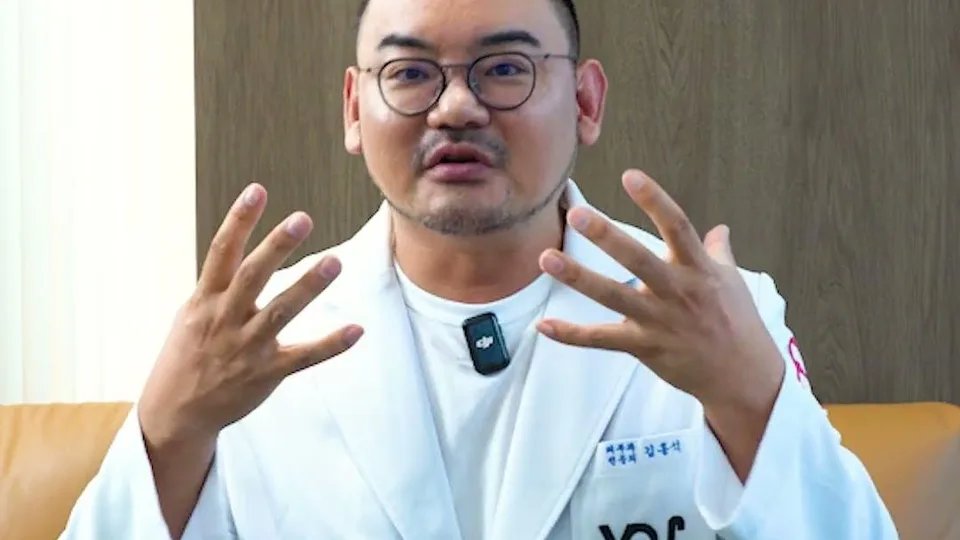
Hello, I'm Dr. Hongseok Kim, a board-certified dermatologist with 21 years of experience and the Medical Director of VOS Dermatology Clinic. I do the consultation and the injections myself, which is why I care where the treatment day falls in your trip.
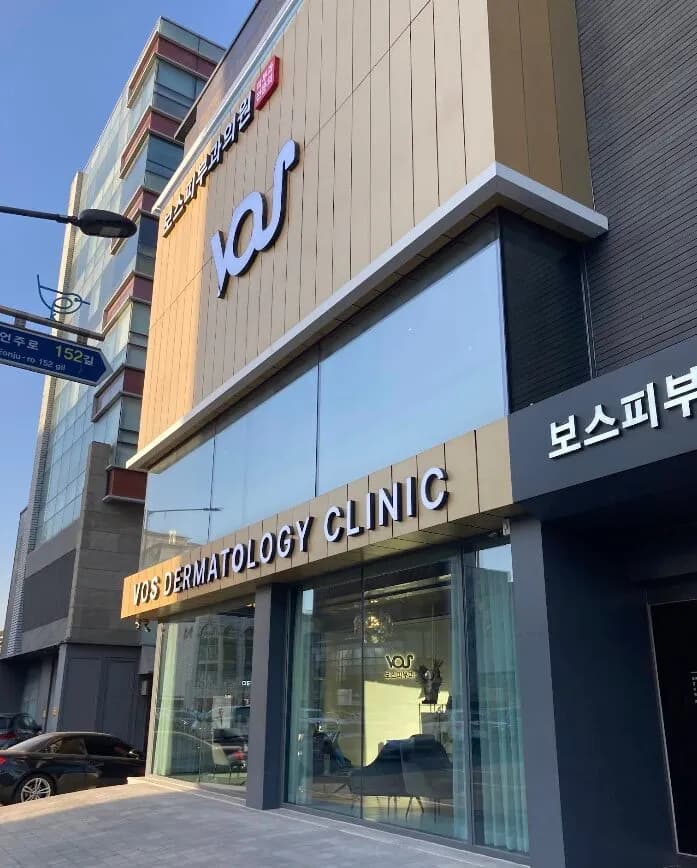
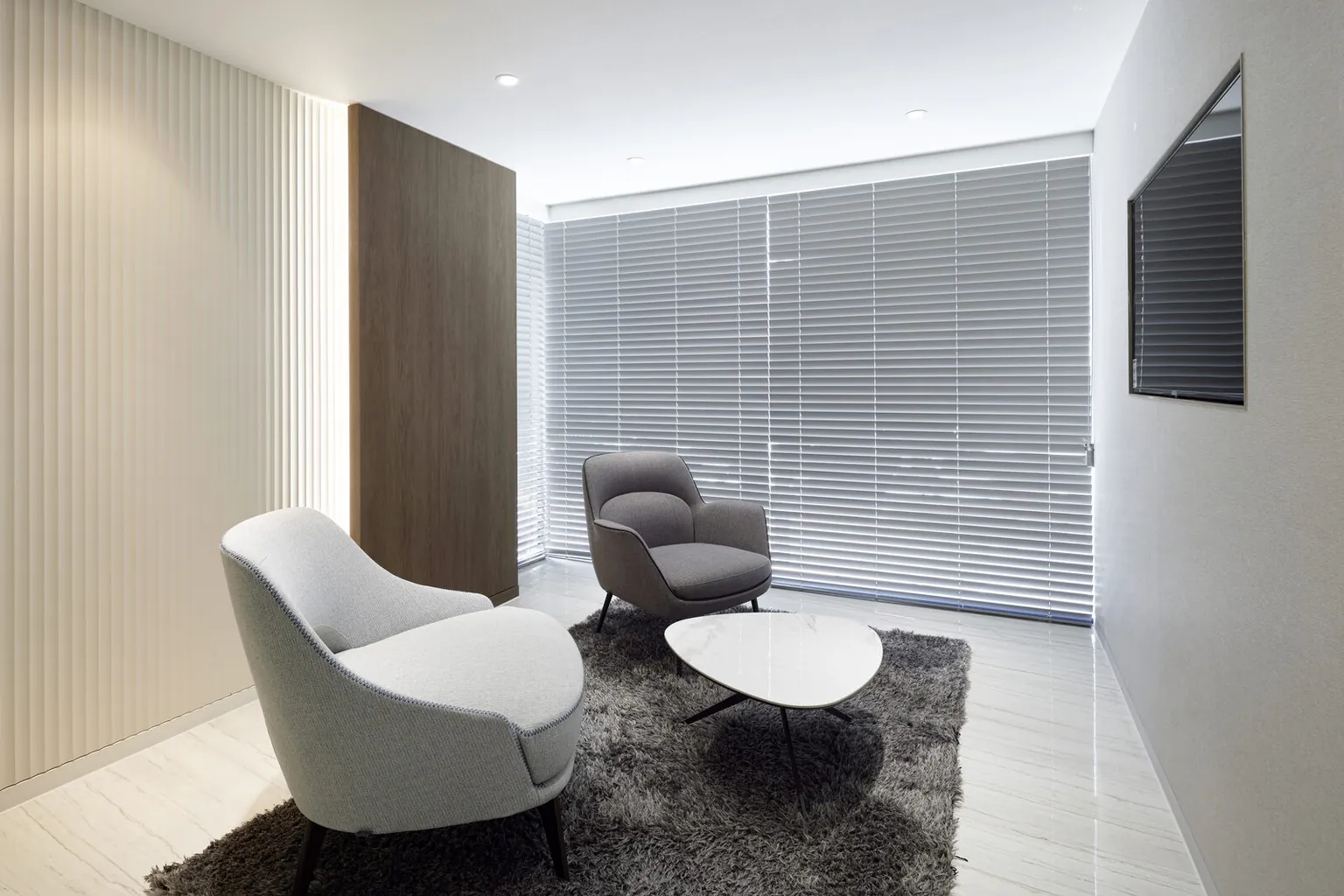
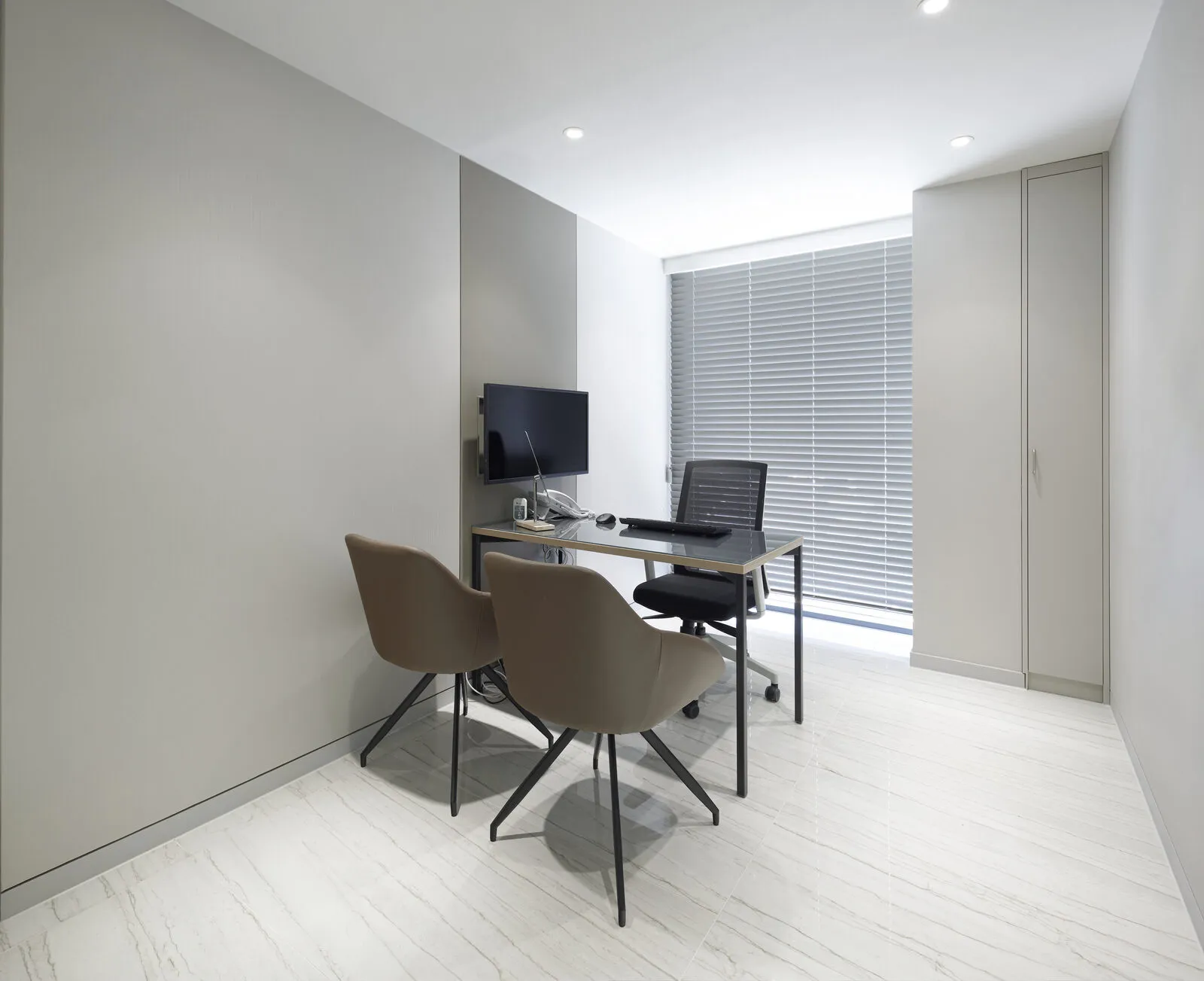
The clinic is a four-floor building in front of Dosan Park in Gangnam, with consultation rooms on the second floor. Every nationality pays the same listed price, and nitrous oxide sedation is available for people who dread needles, with over 5,700 sedation cases done here.
I'm writing this because a common planning mistake is booking Juvelook on the last full day in Seoul and treating the first few days as the whole recovery, when the part that matters happens over the following weeks, at home.
For many people, the visible recovery is two to four days of small bumps, mild swelling and sometimes bruising at the injection points, while the collagen response builds over roughly one to three months. Put the session early in your stay, keep two or three open clinic days before your flight, and plan any later session as a separate trip.
If you already have flight dates, send them on WhatsApp with one daylight photo of your face from the front, and ask which day of your stay the injection should go on.
Send your travel dates and a daylight photo on WhatsApp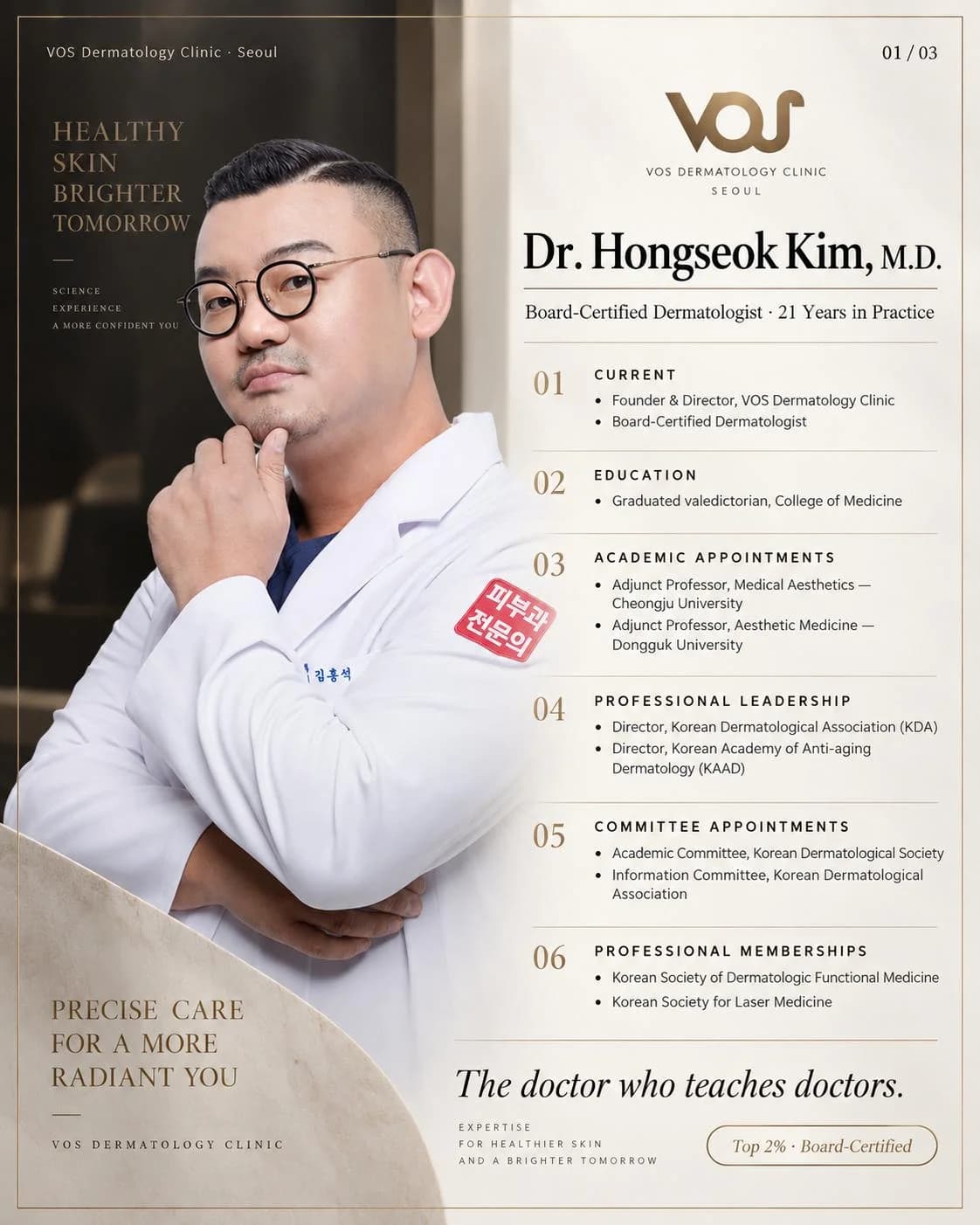
How many days does Juvelook recovery take before a flight?
Juvelook is a poly-D,L-lactic acid (PDLLA) biostimulator suspended with hyaluronic acid. It goes in as many small deposits, and each one can leave a slightly raised point for the first day or two. That's the part people photograph.
The part that does the work is slower. The particles prompt your own skin to build collagen over the following weeks, so the result can't be judged in a mirror at the airport. Here is how the first three months usually look.
| When | What you may notice | What it means for your trip |
|---|---|---|
| Day 0–1 | Raised points, redness, mild swelling, pinpoint bruises | Keep the evening free; skip alcohol and the sauna |
| Day 2–4 | Most points flatten; bruises may turn yellow | Sightseeing is usually fine; ask on the day about makeup |
| Week 1–2 | Skin close to baseline; small lumps may be felt when pressing | You're home; note anything firm that isn't fading |
| Month 1–3 | Gradual change in thickness and texture | Time to judge whether a second session makes sense |
These are typical ranges. Bruising in particular varies with how easily you bruise and whether you take anything that thins the blood.
Flying itself isn't the problem. Cabin air is dry and you'll sit for hours, but neither undoes an injection. The reason I'd keep a gap is practical: if a bruise or an uneven spot appears on day two, you're still in Seoul and can be seen in person, instead of describing it from another time zone.
Are the Juvelook reviews about bumps and slow results accurate?
Review threads on Juvelook tend to repeat four claims. Some hold up medically, some only halfway.
“The bumps lasted a week.” Partly right. Raised points at the injection sites commonly flatten within a few days. A bruise can take a week or more to fade, and that is usually what people are describing.
“Nothing happened after the first session.” That's expected early on. The fullness on day one is mostly swelling plus the hyaluronic acid carrier, and it fades. Collagen change is gradual, so a verdict at two weeks comes too soon.
“Lumps mean the doctor did it wrong.” Not necessarily. Nodules are a known complication of poly-lactic acid injectables, and they relate to injection depth, dilution and how an individual's tissue reacts. A case report in the Annals of Dermatology described a foreign-body reaction appearing long after poly-L-lactic acid injections, which is one reason a follow-up plan belongs in your trip planning.
“It hurts a lot.” Sensation varies by area and by person. Numbing cream is commonly used for skin injections, and some people prefer nitrous oxide sedation, which is an option here.

Juvelook or Juvelook Volume: which method fits your face?
Both come from the same family, and the choice comes down to what your skin is missing. Juvelook is aimed at skin quality: thin or crinkly skin, fine lines, enlarged pores and shallow scarring, placed fairly superficially. Juvelook Volume is a denser formulation placed deeper, where a hollow temple or a flat cheek needs gradual support.
Deeper placement generally means a little more swelling, and the trip plan has to absorb that. I've written separately about who Juvelook Volume suits and what to expect.
If your concern is skin that has dropped along the jawline, a biostimulator won't lift it. That's a lifting question, and it changes both the plan and the number of recovery days.
Your days in Seoul, from consultation to flight
The clinic is open Monday, Tuesday and Thursday from 10:00 to 19:00, Friday until 20:00, and Saturday from 10:00 to 16:00. It's closed on Wednesdays, Sundays and public holidays. Those closed days matter more than people expect when they count buffer days. From Line 7 Gangnam-gu Office Station, Exit 3, it's an 11-minute walk.
Say you have thin cheek skin with fine crinkling, you land at Incheon on a Thursday night, and you fly home the following Wednesday. Friday becomes your treatment day: the consultation and skin analysis first, then the injection if the plan makes sense for you. Ask when you book whether both can happen in one visit.
After that, Saturday is open until 16:00 if anything looks off, Sunday is closed, and Monday and Tuesday are open again. That gives you three clinic days after the injection before your flight, which is the margin I'd want.
Now flip it: you land on a Monday and fly out Thursday morning. The clinic is closed on Wednesday, so an injection on Tuesday leaves no open clinic day before you leave. In that case Monday is the day, or this isn't the trip for it.
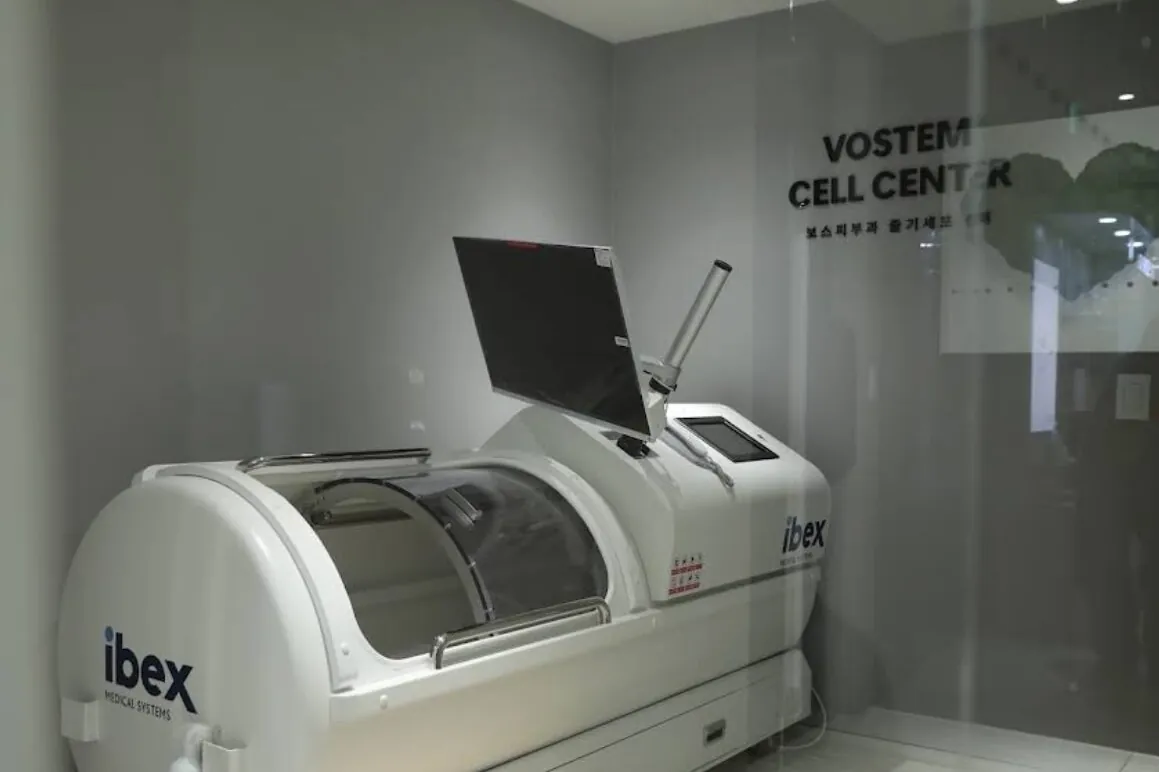
Many people who search for a recovery program expect a set package of aftercare sessions. What Juvelook mostly needs is time, a quiet first evening and a margin before the flight. Two treatments on our menu relate to recovery: Vacumed, an intermittent vacuum therapy in a room on the first floor, and the hyperbaric oxygen chamber.

Risks and what to do once you're home
The common reactions are temporary: redness, swelling, tenderness, small raised points and bruising, usually easing over days rather than weeks. The FDA's overview of dermal fillers lists the same kinds of common reactions for injectables in general, along with rarer problems such as lumps and infection. Results vary by person.
As a general rule, I'd wait or skip it if the area has active acne, a cold sore or any infection, or if you've had a laser or peel there in the past couple of weeks. The same goes if you're taking isotretinoin, if you're pregnant or breastfeeding, or if you've reacted to hyaluronic acid or poly-lactic acid before. Blood thinners and some supplements raise the chance of bruising, so mention them at the consultation.
Once you're home, the sign to watch is a firm lump that is still there two weeks after treatment, or one that hurts or feels like a foreign body when you touch it. That is what Juvelook Nodule Treatment is for. It's on our menu and it's done in person in Seoul. If the area turns red, hot or painful, see a dermatologist where you live first; don't try to massage it away on your own.
Before you leave Seoul, ask for the product name, the number of vials and the areas in writing, so a local doctor knows what was injected. The U.S. CDC's guidance on medical tourism makes the same point about bringing your treatment records home.
If follow-up from home is what worries you most, send a list of anything injected into your face in the past year and ask whether one session on this trip makes sense for you.
Send your travel dates and a daylight photo on WhatsAppHow I approach a Juvelook plan for a short trip
Every skin is different, so the diagnosis and the plan should differ too. The plan starts with a skin analysis, and from that I choose the product and the amount for your face rather than a set package. I dose injectables exactly, never more and never less than the skin needs, and on a short trip that matters twice, because more product tends to mean more swelling to carry onto the plane.
For a traveler, the question that decides the plan is how many open clinic days are left after the injection. Sometimes the answer is not this trip: inflamed acne, a fresh laser, or a calendar with no margin at all.
Many Juvelook plans use two or three sessions spaced about four weeks apart, so each session usually means its own visit to Seoul. The same reasoning about courses and flights runs through why one trip rarely covers a full skin-booster course.
Doctor's note
If you can only come to Seoul once this year, I'd rather you leave with one session done properly and a clear idea of when a second one would help than squeeze two sessions into one week. Collagen doesn't hurry, and stacking sessions close together doesn't make it hurry. Genuine product, the exact amount and a 5μm filter syringe are the parts I control on the day; the weeks afterward belong to your skin.
Worth knowing: The fullness you see on day one is mostly swelling and the gel carrier. Judge Juvelook at around two to three months, not on the morning of your flight.

What decides the cost of a Juvelook program?
The first factor is the product: Juvelook for skin quality or Juvelook Volume for deeper support. The second is the number of vials, which follows the size of the area and how thin the skin is. The third is the number of sessions, and for a visitor that also means the number of trips.
After that come the extras. Some people pair Juvelook with ultrasound lifting on the same visit, and how Ultherapy PRIME shots and programs are priced has its own post. Ask whether nitrous oxide sedation or a recovery session such as Vacumed is part of your quote before you agree to it.
The listed price is the same for every nationality, quoted before VAT, and it can change. The listed per-vial figures are in the Juvelook Korea price breakdown. To get the figure for your own plan, ask on WhatsApp what it would cost for your case and attach a photo of the area from the side.
Before you message us
Send your arrival and departure dates, a front photo in daylight without makeup, and the one question that matters for your trip: how many sessions, and on which day.
When you come in, I'll examine your skin and recommend the product and amount that fit it.
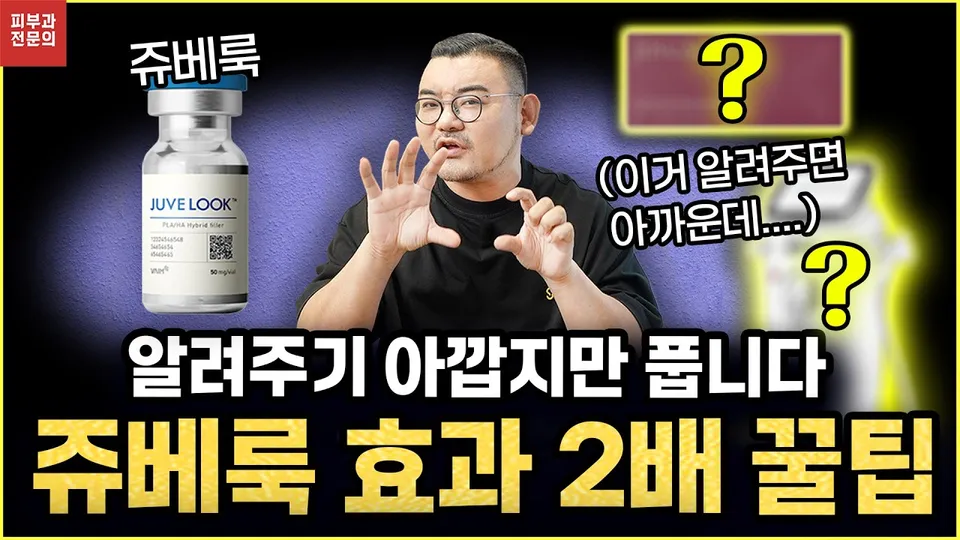
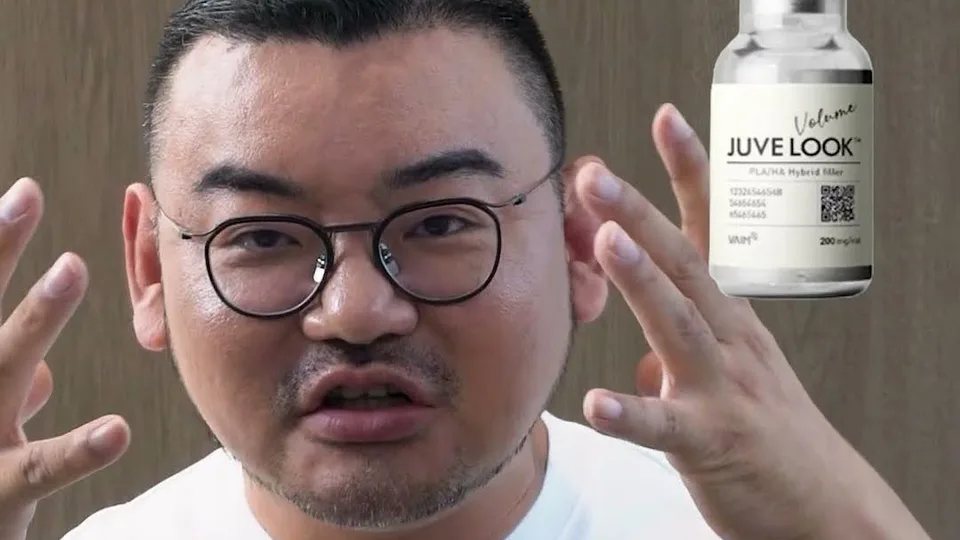
See me explain it on video
I answer the questions patients ask me on camera. The YouTube channel is in Korean with English titles; Instagram and TikTok are for international patients.
Questions readers ask about korea juvelook recovery program
Can I fly the day after Juvelook?
Do I need Vacumed or hyperbaric oxygen after Juvelook?
How many Juvelook sessions does a program usually take?
Will people at work notice after I get home?
Is Juvelook the same as a hyaluronic acid filler?
Results, timing and recovery vary from person to person. This article is general information from VOS Dermatology Clinic and does not replace an in-person consultation. Any prices mentioned are from the clinic’s official price list (KRW, before VAT) and may change.
Juvelook Volume Korea: Who It Suits and What to Expect
Juvelook Volume Korea guide: what PDLLA volume does, who it suits vs Glam, Sculptra or Lafullen, the timeline and nodule signs. VOS Dermatology, Gangnam.
PN Skin Booster Korea: Why One Trip Rarely Covers the Course
PN skin booster Korea usually means three sessions a month apart, so settle dates first. Dr. Kim has 21 years in practice; send dates and a photo.
Ultherapy Price in Korea: PRIME Shots, Eye and Programs
Ultherapy price at VOS: official Ultherapy PRIME and PRIME Eye shot prices in KRW, two signature programs, and what moves your total. VOS Dermatology, Gangnam.