Why 500 Daltons Decides What Rejuran Korean Skincare Can Do
Rejuran Korean skincare means serums for the skin surface or a PN injection for the dermis. What each reaches and who suits it. VOS Dermatology, Gangnam


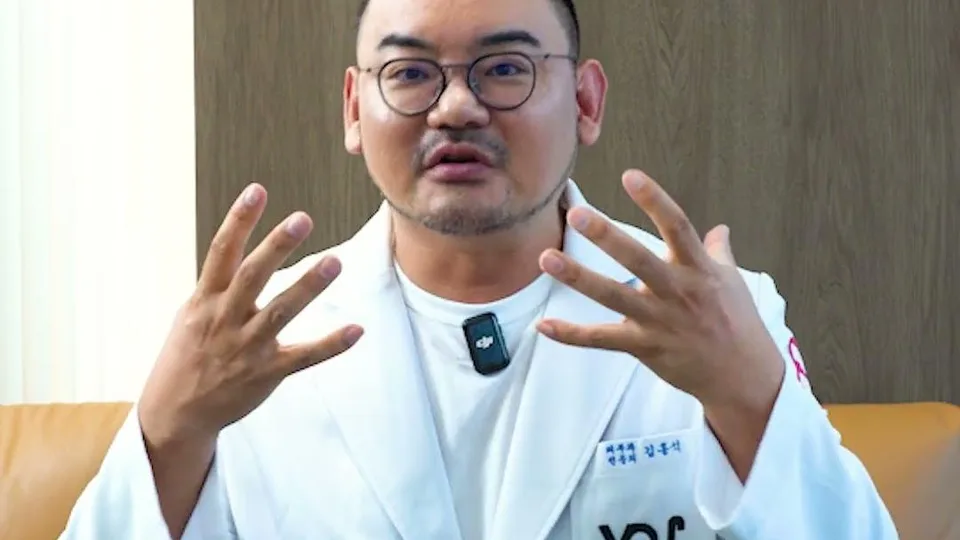
I'm Dr. Hongseok Kim, a board-certified dermatologist with 21 years of experience, and at VOS Dermatology Clinic in Gangnam I perform every procedure myself, from the first consultation to the injection. I'm writing about Rejuran because the name can now sit on two very different things, a bottle on a bathroom shelf and an injection on a clinic menu, and search results tend to blur them together.
In a dermatology clinic, Rejuran is an injectable skin booster: purified polynucleotide (PN) from salmon DNA, placed into the dermis with fine needles, usually in three sessions a month apart. Serums and creams carrying the name can support the skin surface, but a molecule as large as PN is not expected to pass through intact skin and arrive where the injection puts it.

Is Rejuran Korean skincare or an injection?
Both, and the shared name hides the difference. On a clinic menu, Rejuran is a PN injection. In shops and online, you may also see the name on topical products for home use; which ones are sold varies by country, and I don't track that range.
If you're in your 40s or 50s and have been using one of those products, you may wonder whether the clinic version is a stronger bottle of the same thing. The difference is depth. The injection places PN in the dermis, the layer under the surface where fibroblasts make collagen, elastin and hyaluronic acid. A serum stays on and in the outermost layers of skin.
I can't speak to the formula of any one retail product, so this article doesn't rate them. What I can explain is where each one ends up, because that decides what it can do for the lines and texture you're looking at in the mirror.
500 daltons is the number that limits a serum
About 500 daltons is the molecular-weight ceiling above which compounds struggle to pass through healthy, intact skin. Bos and Meinardi described this "500 Dalton rule" in Experimental Dermatology in 2000, and it still frames how dermatologists think about what a cream can and cannot deliver.
Polynucleotides are long chains of nucleotides, far heavier than that ceiling. A 2025 review in Pharmaceutics comparing PN with its relative PDRN describes both as DNA-derived fragments that differ in chain length and molecular weight, with PN being the longer of the two. So a serum built around PN is unlikely to deliver it to the dermis through intact skin.
A serum still has a job. Humectants, barrier lipids and sunscreen act at the surface, which is where dryness, tightness and a lot of sun damage begin. A serum and an injection answer different questions, so they can't be scored on the same scale.
Worth knowing: "Salmon DNA" on a label tells you where an ingredient came from, not where it ends up in your skin. The useful question about any product is which layer it is designed to reach.
What do the injection numbers mean?
Four numbers describe a standard Rejuran course: 2 mL, 1 mL, three sessions and six months. The first two are syringe sizes for different products in the line. The last two describe the protocol and how long results typically last after it, and both vary from person to person.
| Number | What it refers to | What it means for you |
|---|---|---|
| 2 mL | One syringe of Rejuran Healer, the face and neck product | Spread across the face in many tiny injections; the volume is about coverage, not filling a hollow |
| 1 mL | One syringe of Rejuran HB or Rejuran Eye | Smaller or more delicate areas, such as the lips for HB or the under-eye skin for Eye |
| 3 sessions | The standard protocol | One session starts the process; the treatment page ties the six-month figure to the full three-session course |
| 1 month | The gap between sessions | Fibroblasts need time to respond, so sessions are spaced rather than stacked |
| 6+ months | How long results typically last after the course | A typical figure, not a promise; skin, age and sun exposure all change it |
The interval is the number visitors trip over. Three sessions a month apart assumes you live within reach of the clinic. If you are flying in once, one session is what fits the trip, and that covers one of the three sessions the protocol describes. Some people plan two or three visits around it. Others pair one session with daily sunscreen and a plain moisturiser, then decide on the flight home whether to come back.
Timing inside the trip matters too. VOS is closed on Wednesdays, Sundays and public holidays, so on a short stay it helps to check the days before you lock in flights. A wider look at the Rejuran line and session planning is in our Rejuran Korea overview.
Healer, HB or i: which one fits which skin?
Healer suits overall face and neck skin quality, HB suits skin where dryness and comfort come first, and Rejuran i (also listed as Rejuran Eye) is made for the thin skin around the eyes.
- Rejuran Healer is PN on its own. It is aimed at sensitive skin, redness and a weakened barrier, with the goal of supporting repair across the face and neck.
- Rejuran HB (shown as HB+ on the treatment page) combines PN with hyaluronic acid and lidocaine. The hyaluronic acid adds hydration; the lidocaine is there to make the injections more comfortable.
- Rejuran i is formulated for the under-eye area, where skin is thin and fine lines show early. If that is your main concern, this piece on Rejuran for the eye area goes further.
Searches also turn up Rejuran S, another product in the manufacturer's line. It isn't on the VOS menu, which lists Healer, HB and Eye.
The treatment page lists who tends to fit PN boosters: people with thinner, more sensitive skin, people bothered by fine lines and rough texture, and people who want the skin itself to improve rather than the shape of the face. You can read that page in full under Rejuran at VOS.
What PN does not do is lift. A softened jawline or heavy lower cheeks come from laxity and volume loss, and a skin booster on its own won't reposition tissue. That job belongs to lifting devices or collagen biostimulators, which are compared in this guide to Korean skin tightening devices.
How I approach Rejuran for skin in its 40s and 50s
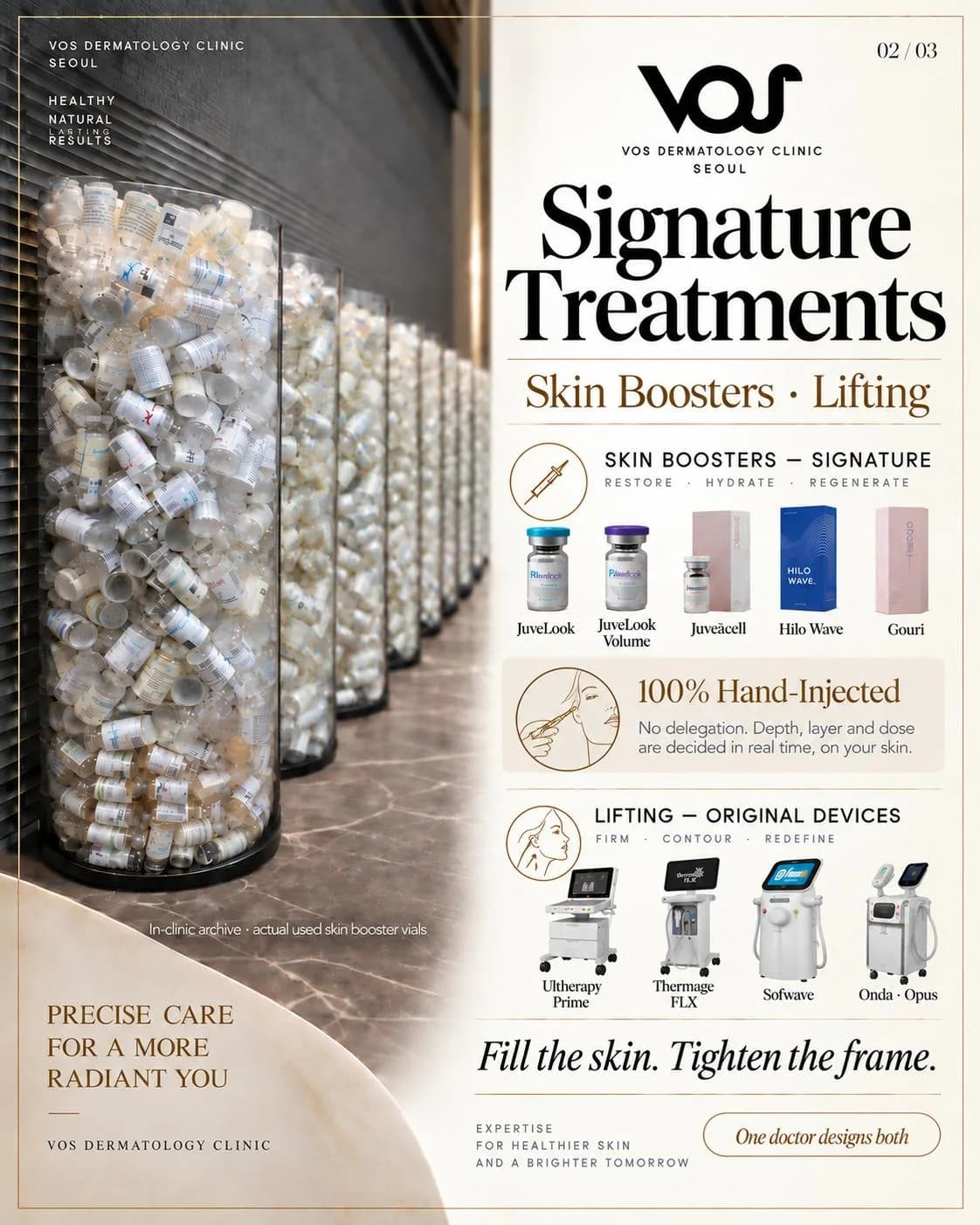
At VOS, every plan starts with a skin analysis by me, and I choose the treatment or combination for the face in front of me rather than a package. The clinic uses 3D Skin Analysis and 3D Meta-view, which let me observe skin layers from multiple angles instead of judging only the surface.
The clinical question for PN is fairly specific. Is the problem mainly texture, crepey fine lines, dryness and reactivity? Those sit in PN territory. Or is it mainly laxity and lost volume? There, PN alone tends to disappoint. In the 40s and 50s, both are commonly present, and in general a skin booster can be considered alongside a lifting or volume treatment when skin quality and structure have both changed. The broader menu for this is under face line treatments.
Doctor's note
When someone has flown a long way, there is pressure to do something on the day. I would rather tell you that Rejuran won't fix a jowl than have you leave expecting it to. If the analysis points mostly to laxity, the booster becomes a supporting step, or it drops out of the plan.
Two practical details matter to people who are wary of needles. The clinic lists a 5μm ultra-fine filter syringe among its standards, meant to keep particles such as ampoule glass fragments out of what is injected. And VOS has used nitrous oxide sedation in over 5,700 cases; whether it suits you is part of the consultation.
Side effects, and who should wait
Expect small raised bumps at the injection points, some redness and possibly pinpoint bruising. Infection and allergic reactions are uncommon but possible, which is why injection technique, sterile handling and your medical history all matter.
The 2025 systematic review of polynucleotides in esthetic medicine, published in the Journal of Cosmetic Dermatology, found that reported side effects were mostly mild and temporary, concentrated at the injection site. Its authors also noted that much of the evidence comes from small studies, so the research base is still growing.
The bumps are usually the part visitors notice most, because they are visible for a short time after the session. If you have a dinner, a wedding or photographs planned, leave a margin rather than booking the injection the day before.
Some situations call for waiting or a careful conversation first:
- An active infection, cold sore or acne flare in the area to be treated.
- Pregnancy or breastfeeding; elective injectables are generally postponed.
- A known fish or salmon allergy, since PN is salmon-derived. Tell me about it before anything else is decided.
- Blood thinners or supplements that increase bruising. Mention them, but don't stop a prescribed medicine on your own.
- Skin that is sunburned or freshly treated with another procedure.
The clinic's safety standards include autoclave and UV sterilization, strict use of disposables and regular equipment inspection.
Want a personal answer? Message us on WhatsApp — we reply in English.

Where does a Rejuran serum still fit?
At home, as surface care: hydration, barrier support and daily sunscreen. A serum can make skin feel more comfortable and look smoother on the day, and that is a fair thing to want from it.
If you do have the injection, ask before leaving what to pause for the first days afterwards. Gentle cleansing and sunscreen are the usual basics, while strong exfoliating acids or retinoids may need a short break. Once the skin has settled, a simple routine that you actually keep up does more than a shelf of products used now and then.
For very dry skin, the related ingredient PDRN comes up often in Korean clinics; this post on PDRN for dry skin explains what helps and what to pair with it.

Before you message us
If you are weighing Rejuran on a Seoul trip, send one thing on WhatsApp: a clear daylight photo of your face without makeup, plus your Seoul dates. Those two things give the WhatsApp consultation something concrete to start from.
The clinic is at 806 Eonju-ro, in front of Dosan Park; hours and directions are on the VOS Dermatology home page. Whatever you send on WhatsApp, results differ from person to person, and the in-person skin analysis decides whether Rejuran, something else, or nothing at all is suitable for you.
See me explain it on video
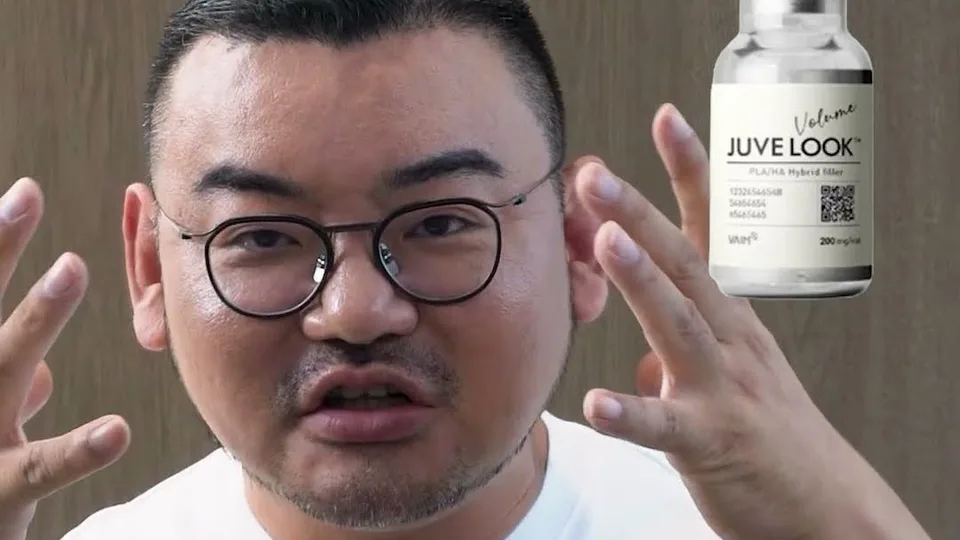
I answer the questions patients ask me on camera. The YouTube channel is in Korean with English titles; Instagram and TikTok are for international patients.

Questions readers ask about rejuran korean skincare
Is Rejuran a skincare brand or a medical treatment?
Can a Rejuran serum replace the injection?
How many Rejuran sessions do I need, and can I do just one on a trip?
Does a Rejuran injection hurt?
Can I have Rejuran if I have a fish allergy?
Results, timing and recovery vary from person to person. This article is general information from VOS Dermatology Clinic and does not replace an in-person consultation. Any prices mentioned are from the clinic’s official price list (KRW, before VAT) and may change.
Related articles
Rejuran Korea: Types, Sessions and Prices in Seoul
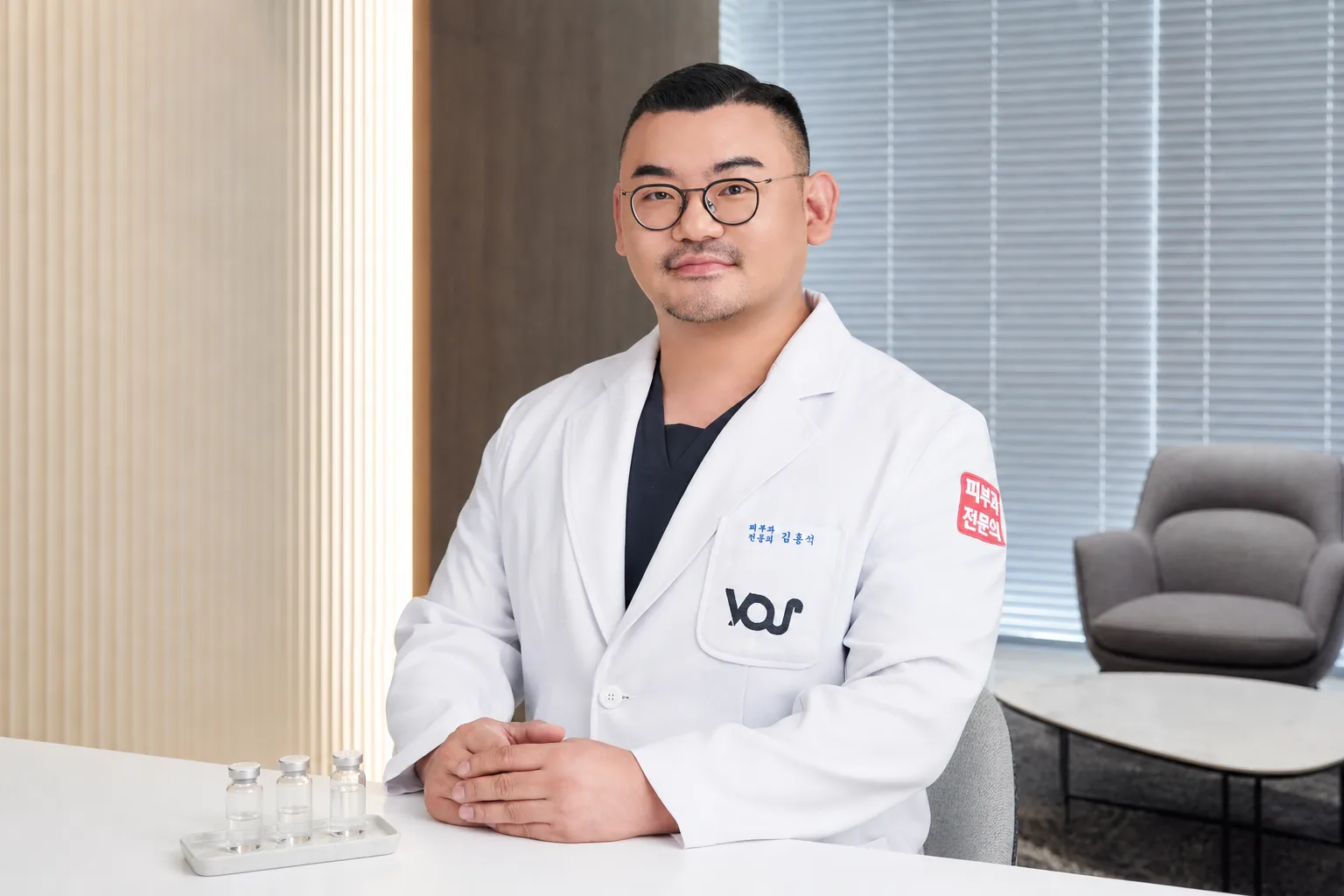
Rejuran Korea guide: Healer vs HB+ vs Eye, how three sessions fit a trip, what the bumps look like and exact listed prices — VOS Dermatology, Gangnam.
Rejuran i for the Eye Area: Fine Lines, Sessions, Prices
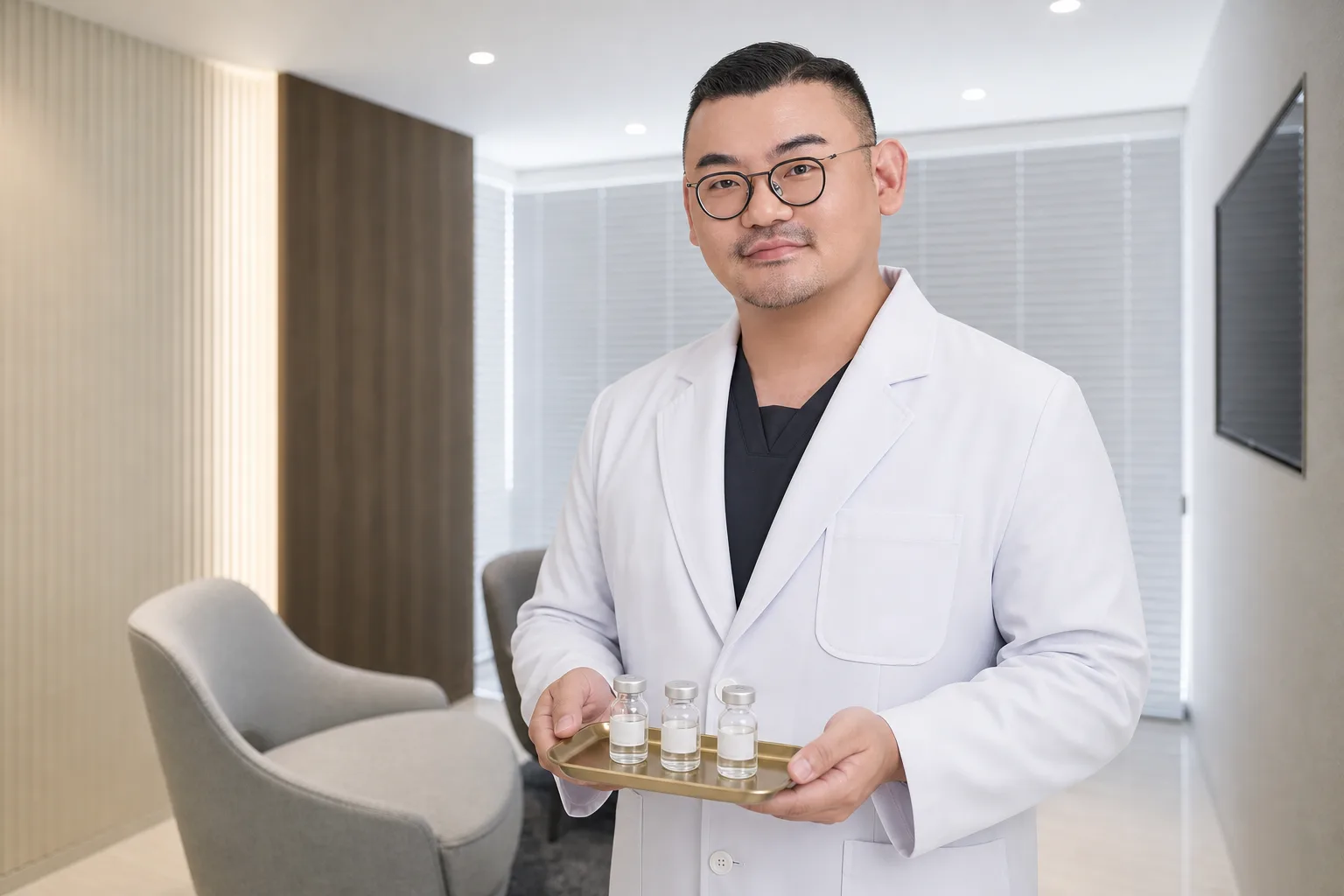
Rejuran i for under-eye skin: what it improves, what it cannot fix, how sessions and bruising work, and the exact listed prices at VOS Dermatology, Gangnam.
Korean Skin Tightening Treatment: Five Devices Compared
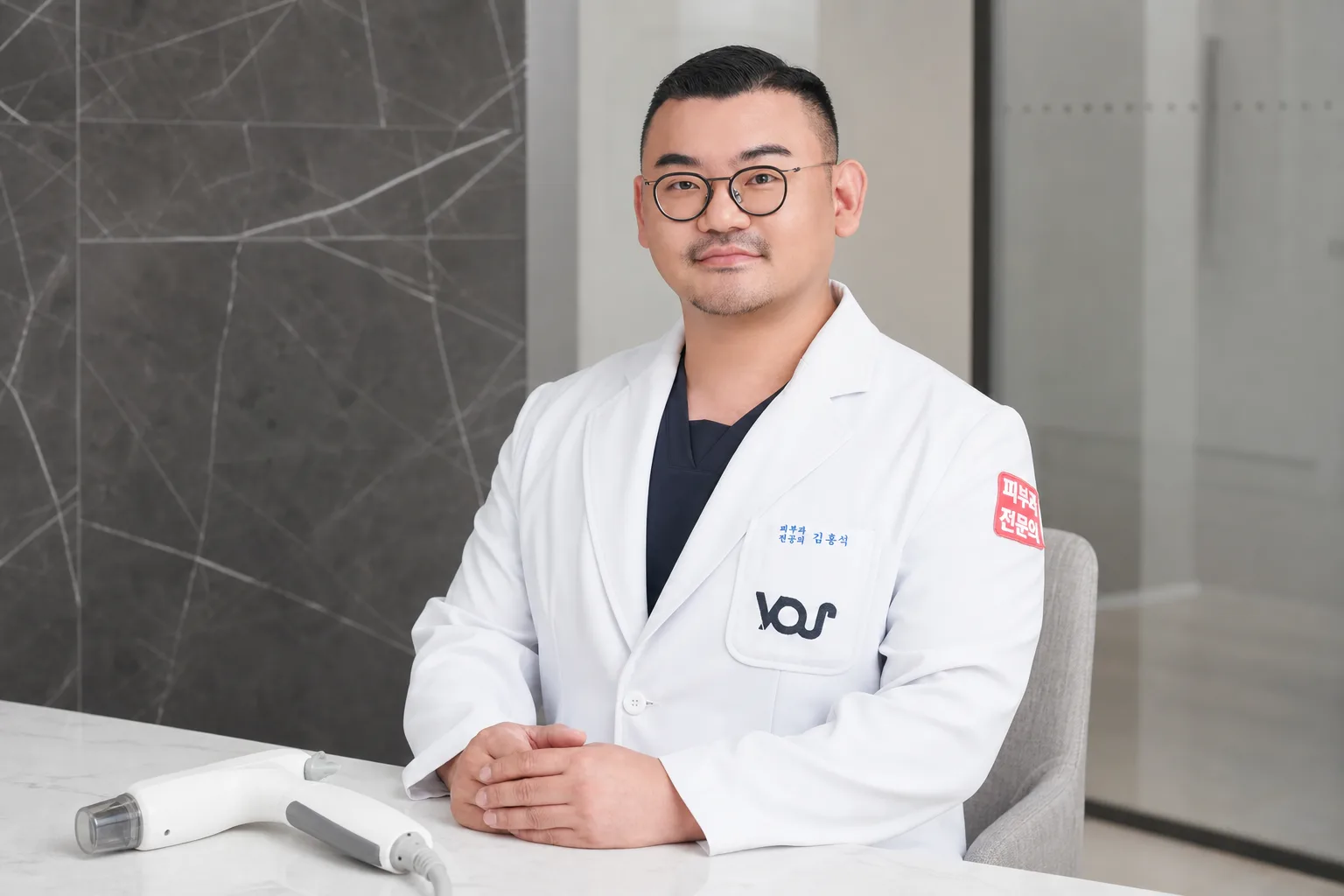
Korean skin tightening treatment: how Thermage FLX, Ultherapy Prime, Sofwave, Volnewmer and Double Tite differ, and what they cost. VOS Dermatology, Gangnam.