Korea Rejuran Healer Procedure Steps Video: Any Risks? Cost
A Korea Rejuran Healer procedure steps video skips who should wait, risks and recovery. Dr. Kim lists them, plus cost factors. VOS Dermatology, Gangnam.

Watched a Korea Rejuran Healer procedure steps video and now wondering what could go wrong on your own face, or your parent's, far from home?
Read this before you book the flight.
You'll know the steps, what decides the cost, which review claims hold up, how recovery usually goes and who should wait, so you can judge whether this treatment fits your skin, your health and your budget.
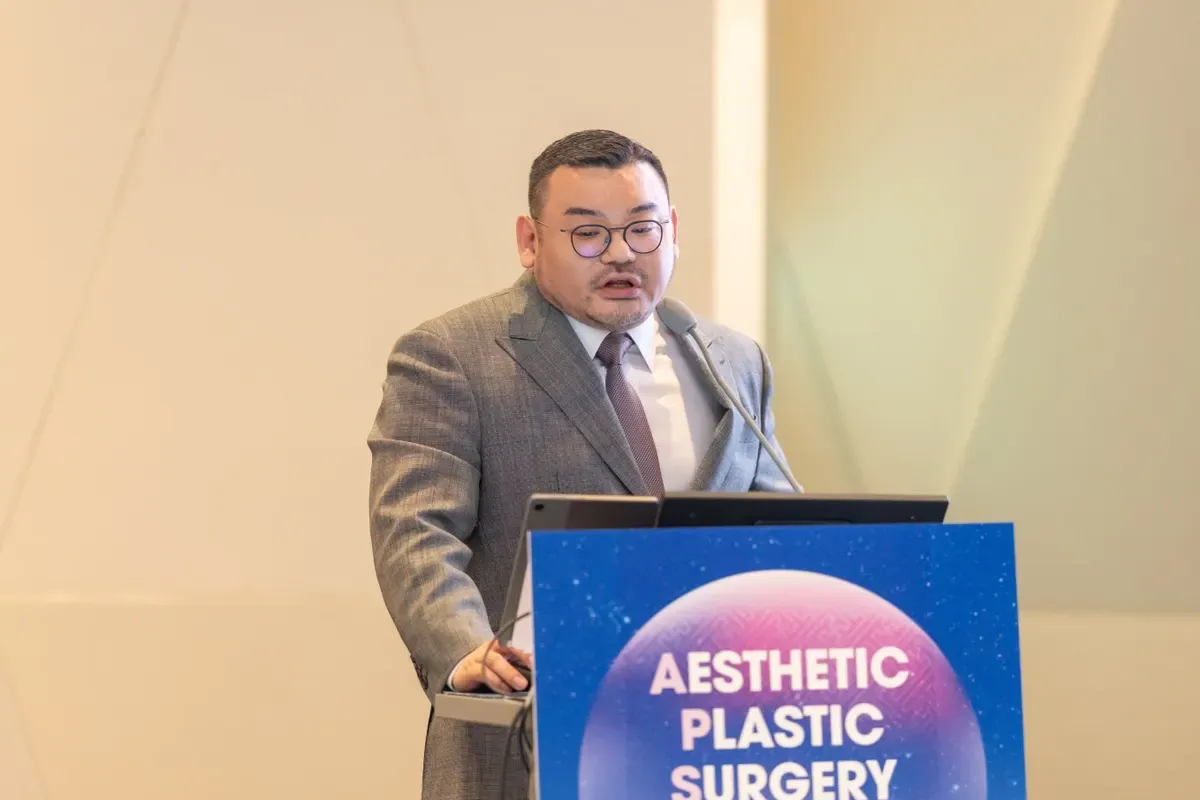
Hello, I'm Dr. Hongseok Kim, a board-certified dermatologist with 21 years of experience and Medical Director of VOS Dermatology Clinic in Gangnam.
I handle every case myself, from consultation to procedure. We list one price for every nationality, and my team replies on WhatsApp in English.
I'm writing this because a video makes an injection look the same for everyone, and it rarely mentions the people who should postpone it.
Rejuran Healer usually runs in five steps: skin check, cleansing, numbing, small injections across the area, then aftercare. Most reactions are bumps, redness and bruising that settle within days, but a salmon allergy or an infection in the area are reasons to stop and ask first.
If you're arranging this for yourself or a parent, send one daylight photo of the area on WhatsApp and ask, "Is anything about this skin a reason to wait?"
Send a daylight photo and your one question on WhatsApp
The five steps, and what a video leaves out
The sequence below is general practice for polynucleotide injections. Clinics and doctors vary in the details, so treat it as a map and ask about anything you can't picture.
| Step | What the camera shows | What it can't show |
|---|---|---|
| 1. Skin check | A doctor looking at the face | Your medications, allergies and recent treatments |
| 2. Cleansing | Makeup coming off | Whether the area has an active breakout or infection |
| 3. Numbing | Cream applied, then a wait | How your own skin tolerates it |
| 4. Injections | Many small passes and small bumps | Product, dose and depth |
| 5. Aftercare | A calm face leaving the room | The bruise that may appear the next morning |
The fourth row matters most. Healer is placed in small amounts across the treated area, and the small raised bumps you see on screen are the product sitting in the skin. They look alarming on a close-up and usually flatten over the following day or so.
Healer is one of three types on my menu, along with HB and Eye. If you're still deciding among them, my guide to Rejuran types and sessions in Seoul covers that ground, so I won't repeat it here.
Worth knowing: A video can't tell you what's in the syringe. At any clinic, you can ask to see the product before it's injected. Genuine product and correct amount are two of the principles I hold this clinic to, and my syringes use a 5μm filter meant to catch micro-particles such as ampoule glass shards.
Who should wait or skip Rejuran Healer
In short, this is the section I'd want a parent of mine to read. Polynucleotides are purified from the DNA of fish such as salmon or trout, according to reviews in the Journal of Cosmetic Dermatology and Pharmaceutics, and that origin alone puts the first item on this list.
As general medicine, these situations call for postponing or a direct conversation with a doctor first:
- Allergy to salmon, trout or an ingredient in the product. Tell the doctor before anything is injected.
- Infection, inflamed acne or a cold sore at the site. Needles should not pass through it.
- Pregnancy or breastfeeding. The research rarely includes this group, so waiting is the usual advice.
- Blood thinners or daily aspirin. Bruising tends to be heavier. Never stop these on your own; ask the prescribing doctor.
- Autoimmune disease or a tendency to keloid scars. The data here is thin, and your own specialist should weigh in.
- A recent laser, peel or isotretinoin course. The skin may need more time first.
A mole or spot that has changed should be examined before anyone injects over it. That's a separate question from skin quality, and my page on mole removal with a CO₂ laser in Korea explains that route.
There's also a limit worth saying plainly. Healer is aimed at skin quality. If the concern is a deep hollow or lost volume, Healer won't rebuild it, and a conversation about fillers and the areas they suit may be closer to what you're after.

Risks and side effects to know
The common reactions are pain during injection, swelling, itching, redness and bruising. A systematic review in the Journal of Cosmetic Dermatology, covering nine studies and 219 patients, reported these as mild and usually gone within a week, with no severe adverse events attributed to treatment.
That's reassuring, with a caveat. The authors rated those studies low to moderate in quality, most were small, and they call for more rigorous work. So I read that data as a good early signal, and a small study can miss a rare event.
Any injection also carries rarer risks in general: infection, a lump that lingers, an allergic reaction, or product entering a blood vessel. These are why the injector's training matters more than how smooth the footage looks.
After you're home, watch for pain that grows after the first couple of days, spreading redness, warmth or pus, fever, or a patch of skin turning pale or dusky. See a doctor where you live promptly and bring the product name. Swelling of the lips or throat, or any trouble breathing, is an emergency.
The US Centers for Disease Control and Prevention advises medical travelers to take copies of their records home and to confirm follow-up care is available there, noting that it may not be covered by insurance. Both are worth arranging before you leave.
If any item on these lists applies, send your medication list and travel dates on WhatsApp and ask how many days you should keep between the injection and your flight.
Send a daylight photo and your one question on WhatsAppRecovery: the first days, as they usually go
On the first day, expect visible bumps and some redness. Many people look as if they've had a lot of small insect bites, which is why I wouldn't plan a dinner or photos that evening.
Over the next day or two the bumps tend to flatten. A bruise, if you get one, can take about a week to clear, and it may take longer on thinner, older skin or for anyone on blood thinners. For those first days, general advice is to keep the skin clean, wear sunscreen, and go easy on saunas, hard workouts and alcohol.
For a trip, the practical move is to leave a few days between treatment and your flight, so you're still in Seoul when the first reactions show themselves. If you want a spare day for a return visit, check the calendar: the clinic is closed on Wednesdays, Sundays and public holidays, and Saturdays end at 16:00.
The change in skin quality isn't something a video can compress. It builds over weeks, and a clip filmed right after injection shows swelling and bumps. Results vary from person to person.

What reviews get right and wrong
Review threads repeat a few claims about this treatment. Here is how they hold up medically, as general statements.
"It really hurts." Partly true. Thin skin and bony areas feel it more, and numbing helps without removing all sensation.
"You'll look bumpy for a day." True for many people, and it's the most useful thing reviews tell you.
"One session changes everything." I'd be skeptical. Published work on polynucleotides generally looks at a series of treatments, and a change built over weeks is a different thing from the plumpness of early swelling.
"A Rejuran serum does the same job." Not on the same terms. Molecule size limits what crosses the skin barrier, which I explain in why 500 Daltons decides what a serum can do.
What decides the cost of Rejuran Healer
Cost for this treatment comes down to a few things you can ask about directly:
- The product type. Healer, HB and Eye are listed separately.
- The area. Face alone uses less than face plus neck.
- The amount. More skin to cover generally means more product.
- The number of sessions. This also affects how many trips you'd make to Korea.
- What's added. Sedation or another treatment on the same visit changes the plan.
Ask whether the quote includes VAT, so you can compare like with like. To get the figure for your own case, send a photo of the area on WhatsApp and ask what it would cost.

How I approach a first Rejuran Healer visit
Every skin is different, so I start with a skin analysis and choose the treatment for that face, without a fixed package. A consultation exists partly to set expectations, including telling you when something is unlikely to help.
Say you're 58, with thin cheek skin, a daily aspirin from your cardiologist and five nights in Seoul. Here's how I would reason. Bruising is the likely problem, so I'd want to hear from your cardiologist that any decision about the aspirin is theirs, and I'd want you treated early in the stay. I'd also ask what bothers you most, because if it's sagging, Healer alone would disappoint you.
Doctor's note
When someone shows me a video and asks for exactly that, my first question is what they hoped would change. A clip can show a technique, and it can't show whether that technique answers your concern. I would rather you leave without an injection than have one aimed at the wrong problem.
If a needle is the main fear, tell me. Over 5,700 cases of nitrous oxide sedation have been done at this clinic, and whether it suits you is part of that conversation, especially with heart or lung conditions.
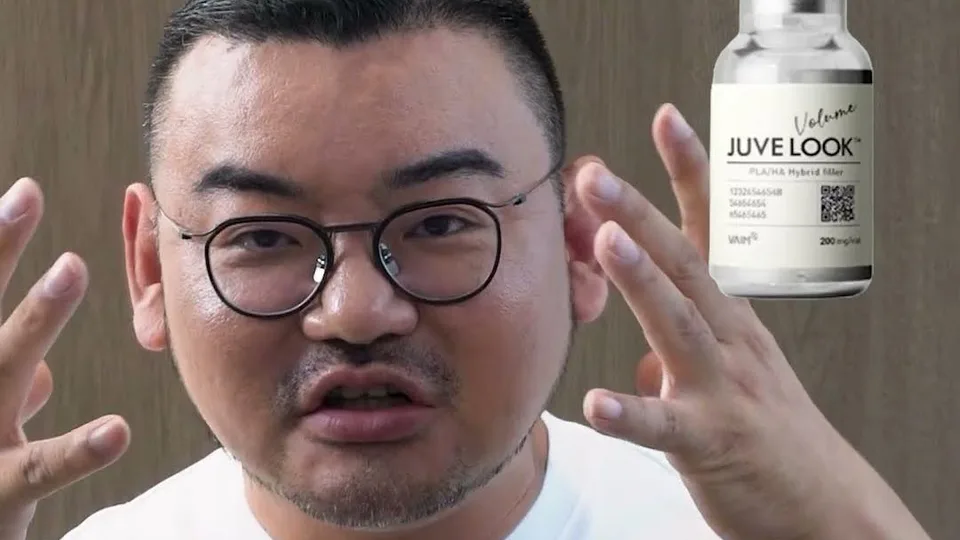
You may want to watch the steps as well as read them, and I talk through skin questions on my YouTube channel, @pialnam. Use any clip as preparation for your questions, since a Korea Rejuran Healer procedure steps video can't assess your skin or your medical history.

Before you message us
The first message can be short. Send front and side photos in daylight with your travel dates to WhatsApp, and add the one question on your mind, such as whether a medication or allergy changes anything.
You'll get an answer about what is realistic, and a quote. When you come in, I examine your skin myself and recommend what fits it. Results vary from person to person.
See me explain it on video
I answer the questions patients ask me on camera. The YouTube channel is in Korean with English titles; Instagram and TikTok are for international patients.
Questions readers ask about korea rejuran healer procedure steps video
Does Rejuran Healer hurt more than other skin boosters?
Can I fly home the day after Rejuran Healer?
Is it safe for someone in their 60s who takes several medications?
Can Rejuran Healer be combined with a laser on the same trip?
What should I do if a lump stays after I get home?
Results, timing and recovery vary from person to person. This article is general information from VOS Dermatology Clinic and does not replace an in-person consultation. Any prices mentioned are from the clinic’s official price list (KRW, before VAT) and may change.
Rejuran Korea: Types, Sessions and Prices in Seoul
Rejuran Korea guide: Healer vs HB+ vs Eye, how three sessions fit a trip, what the bumps look like and exact listed prices — VOS Dermatology, Gangnam.
Mole Removal Korea: CO₂ Laser, Healing and Listed Prices
Mole removal Korea guide: which moles suit a CO₂ spot laser, which need a lab check first, healing on a trip and the listed price — VOS Dermatology, Gangnam.

Korean Filler in Seoul: Products, Areas and Listed Prices
Korean filler explained by a Gangnam dermatologist: which HA gel suits which area, real risks, trip timing and listed price per mL — VOS Dermatology, Gangnam