Korean Salmon DNA Injections: What Is Really in the Syringe
Korean salmon DNA injections explained: PN vs PDRN, what purified DNA does in skin, who it suits, fish-allergy questions and prices. VOS Dermatology, Gangnam

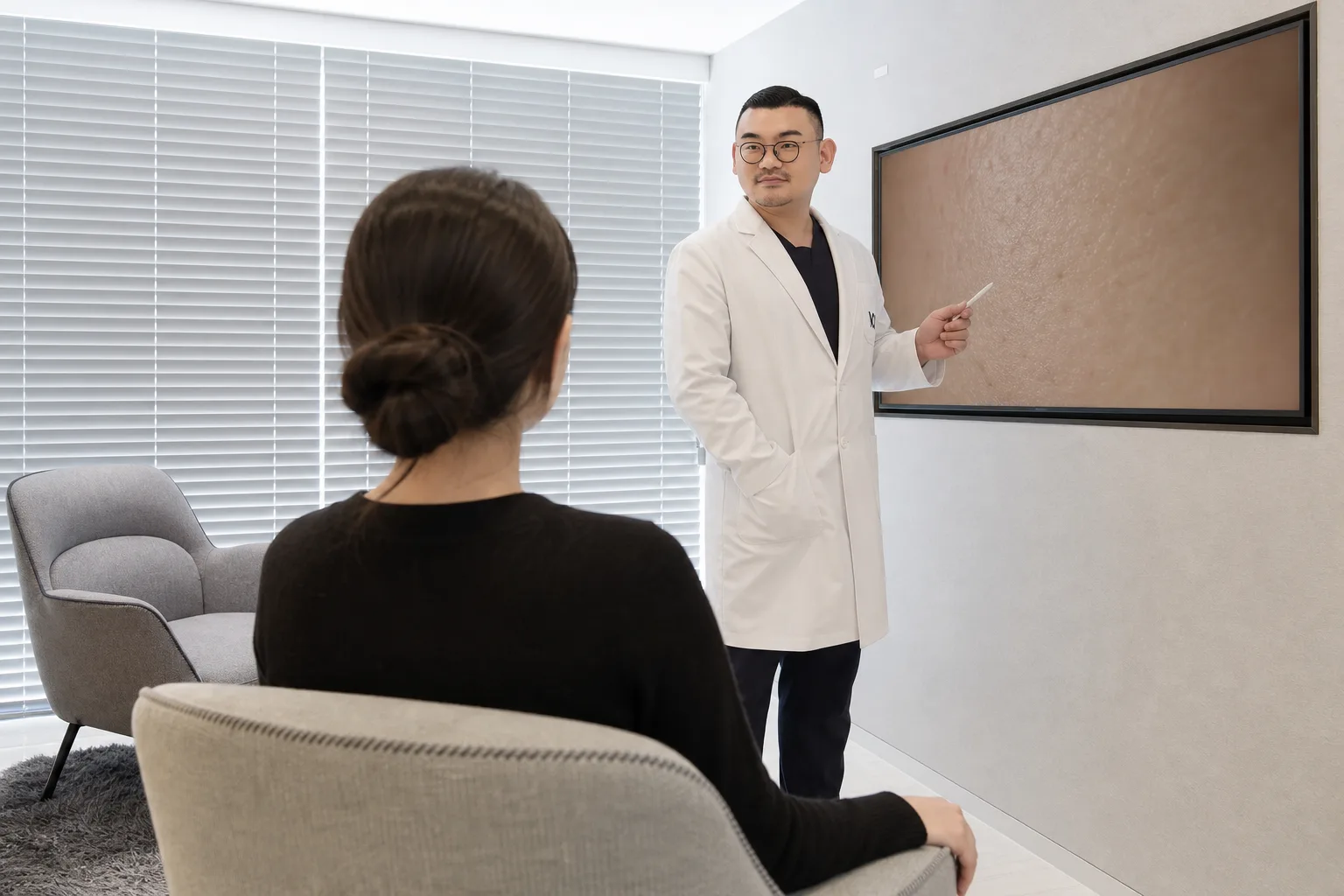
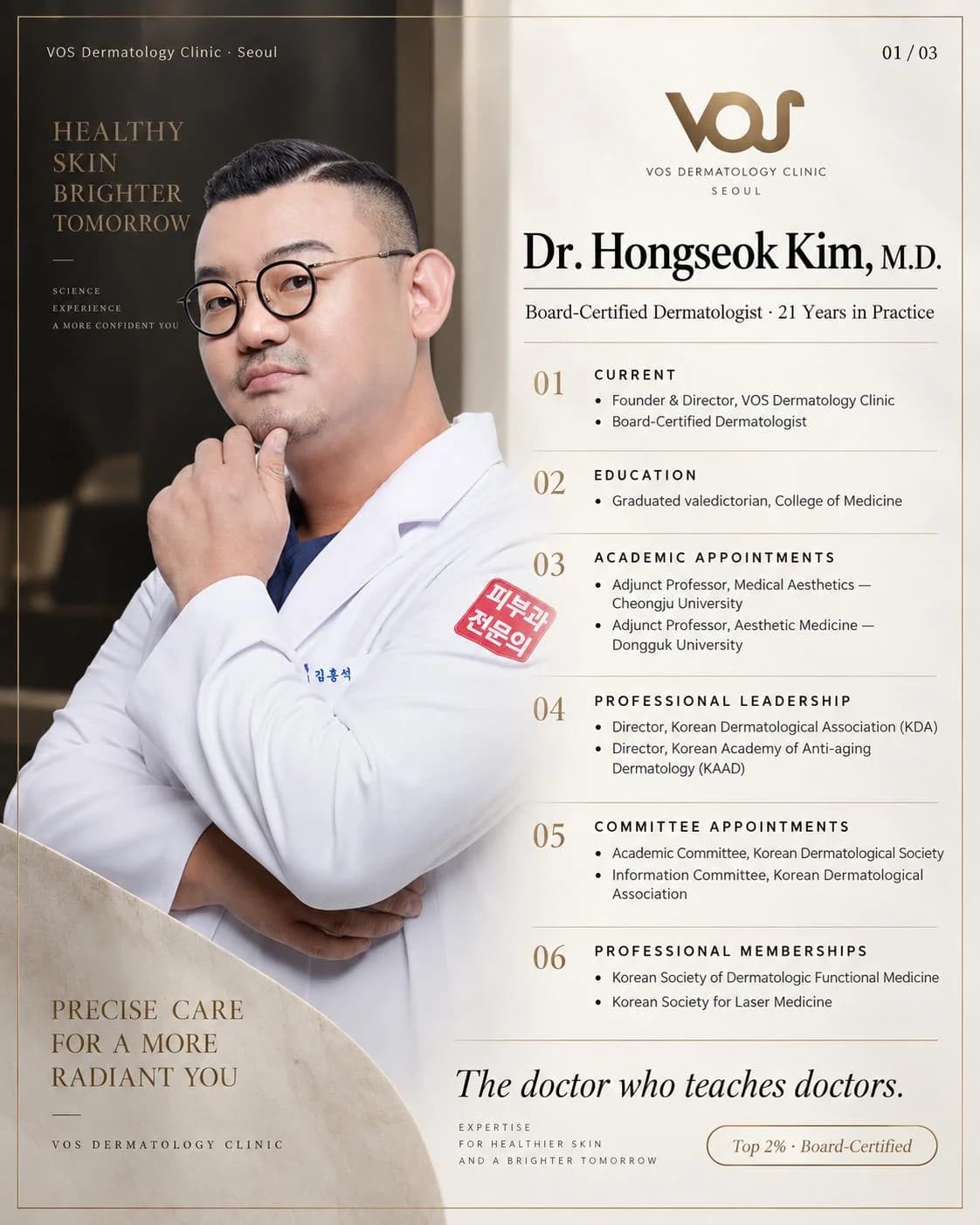
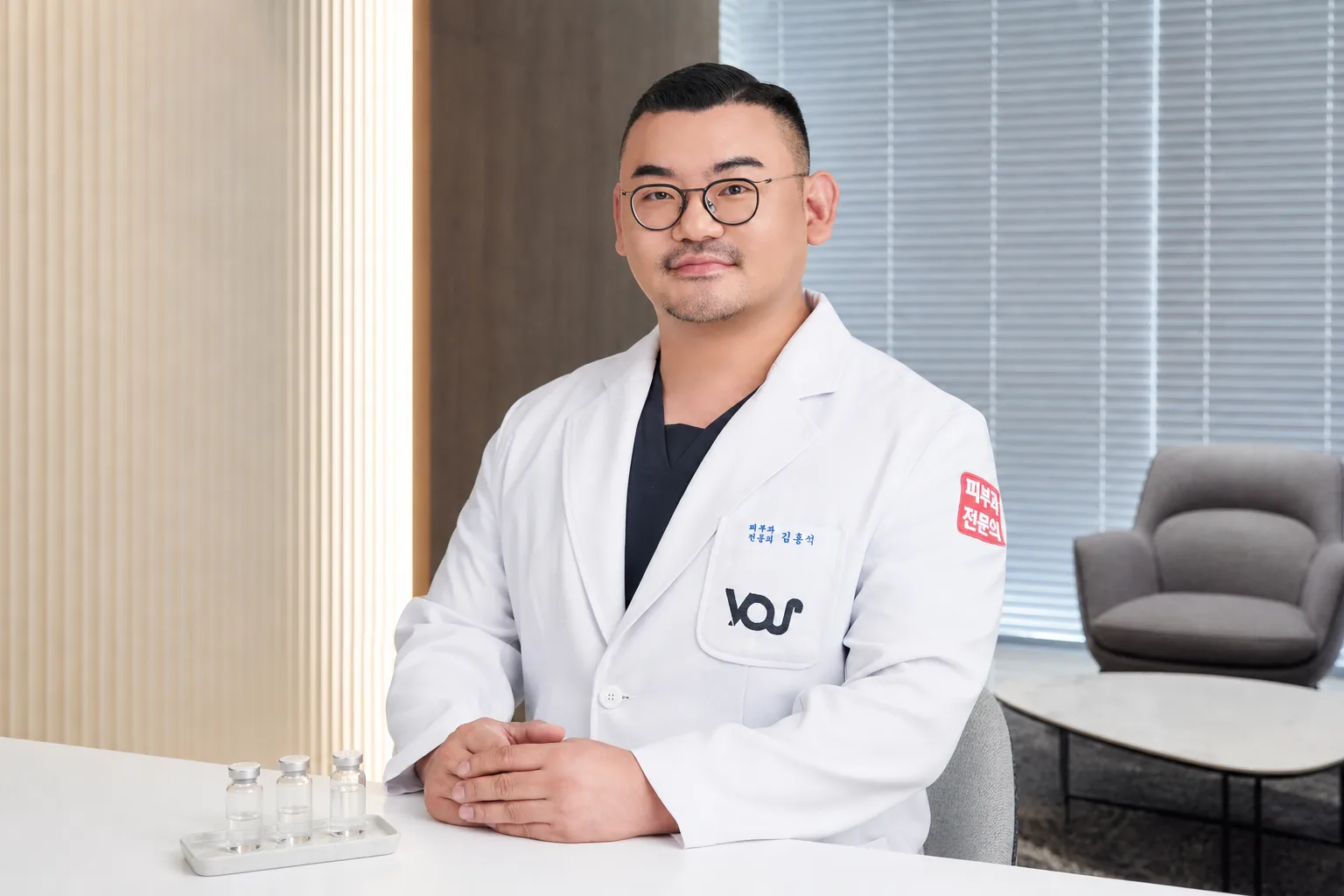
I'm Dr. Hongseok Kim, a board-certified dermatologist with 21 years of practice and the Medical Director of VOS Dermatology Clinic in Gangnam. I see every patient myself, from the first conversation across my desk to the last injection, one person at a time. The phrase "salmon injection" comes up in my consultation room almost every week, usually said with a nervous laugh, so I want to explain plainly what it is.
Korean salmon DNA injections are skin boosters made from DNA purified from salmon and processed into polynucleotide, which is placed in the dermis to support the skin's own repair. They improve hydration, texture, fine lines and resilience over a course of sessions; they do not fill, lift or reshape. This article is for adults abroad who keep seeing "salmon DNA" on Korean skincare feeds and want to know what is actually in the syringe before they book anything.
What "salmon DNA" means in a Korean clinic
In Korea the treatment is nicknamed the salmon injection, and the name sticks because it sounds strange. What it describes is the source of the raw material, not the contents of the vial. DNA is extracted from salmon, purified and processed into long chains called polynucleotides, usually shortened to PN.
Salmon is used because its DNA is described as highly biocompatible with human tissue. In practical terms, the body tends to treat the material as something it can work with rather than a foreign object. No fish cells, no fish oil and nothing that smells of the sea ends up in your skin.
The product most people mean when they say salmon DNA injection Korea is Rejuran, a Korean-developed PN booster. It is the documented option in this family at VOS, and I have written a separate, detailed guide to Rejuran in Korea covering its product lines and session planning. Here I want to stay with the ingredient itself, because that is where most of the confusion starts.
How a salmon DNA skin booster works in the skin
Aging and damaged skin slows down at the cellular level. The fibroblasts in the dermis, which make collagen, elastin and hyaluronic acid, become less active. The visible result is thinner, drier, more sensitive skin with fine lines, rough texture and a weaker barrier.
A salmon DNA skin booster is micro-injected into the dermis to support the environment those cells work in. In general terms, PN is described as encouraging fibroblast activity and tissue repair. Collagen production is stimulated gradually, so the skin rebuilds its own structure rather than having something parked inside it.
That is also why the result is slow. You will not leave the clinic with a different face. You leave with small bumps that settle within a day, and the skin quality changes over the following weeks. Improvement usually appears within 12 weeks, and the documented course lasts about six months; individual results vary.
PN, PDRN and the labels you will see in Korea
When you search for a Korean salmon injection, you will meet two abbreviations: PN and PDRN. Both come from salmon DNA. The difference is the length of the DNA fragments.
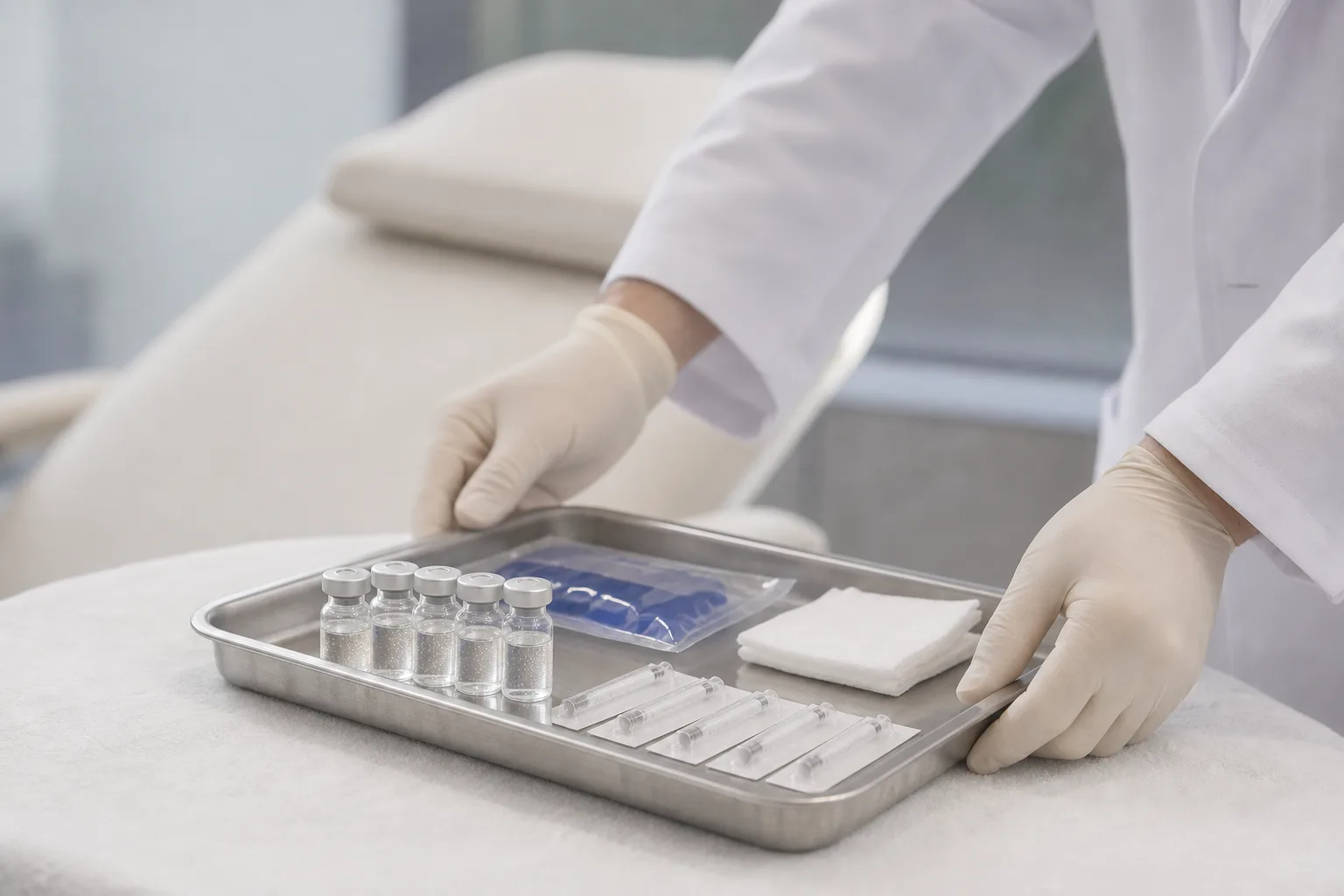
PDRN, polydeoxyribonucleotide, is made of shorter fragments with a lower molecular weight. It has a longer history in wound-healing medicine and tends to be a thinner liquid. PN uses longer chains with a higher molecular weight, which gives a thicker, gel-like material that stays in the tissue a little longer.
Neither is a filler, and both are discussed in the literature as supporting tissue repair. The practical problem is labeling: some clinics and products use the words loosely or interchangeably. Before you compare a PN vs PDRN quote between two clinics, ask for the brand name and the volume in mL. If you are mainly dealing with dryness, I go further into how these materials compare with hyaluronic acid in my article on PDRN in Korea for dry skin.
Salmon DNA compared with other booster families
Patients often ask whether salmon DNA is "better" than the other boosters they have read about. It is a different tool. The table below shows how I explain the three families I use most, all of which are documented on our treatment pages.
| Aspect | Salmon DNA (Rejuran, PN) | Hyaluronic acid (Hilo Wave) | Collagen (Retizen) |
|---|---|---|---|
| Main idea | Supports the skin's repair environment | Hydration and dermal remodelling | Replenishes type 1 collagen directly |
| Suits | Thin, sensitive skin, fine lines, weak barrier | Overall dryness, glow, subtle volume | Dry, dull skin, enlarged pores, fine lines |
| When change shows | Within 12 weeks | Dryness from the next day, elasticity from about a week | Felt within 1–2 weeks |
| Documented course | 3 sessions, one month apart | Discussed in consultation | 3 sessions, one month apart |
| Downtime | Bumps; possible swelling, bruising or redness for 2–3 days | Minimal | Temporary redness or swelling for a few days |
These are textbook-level differences, and every face mixes them. Thin, reactive skin often does well starting with PN. Skin that is simply dehydrated may respond faster to Hilo Wave. Dull skin with visible pores sometimes suits Retizen. My wider overview of Korean skin boosters walks through the full list if you want to compare more options.
Worth knowing: "Salmon DNA" on a skincare jar is not the same as a salmon DNA injection. Creams and serums with the ingredient stay on the skin surface. The clinical effect I describe here comes from placing the material in the dermis with fine needles.
Who it suits, and who should wait
Salmon DNA boosters are a reasonable first choice for these situations:
- Thin or sensitive skin that reacts easily
- Fine lines and rough texture rather than deep folds
- A weakened barrier, with dryness and stinging
- Low skin elasticity, where you want natural improvement without changing your features
There are also people who should wait or choose something else. If you are pregnant or breastfeeding, have an active skin infection or a skin disease that is flaring, we talk first and usually postpone. If you have a known fish or seafood allergy, tell me. The material is purified DNA rather than fish protein, but I still want to hear your history and weigh it with you rather than assume.
And if your main complaint is sagging or hollowing, a salmon DNA booster will disappoint you. It changes skin quality, not structure. Results, timing and recovery differ from one individual to another.
What a session feels like, and the first few days
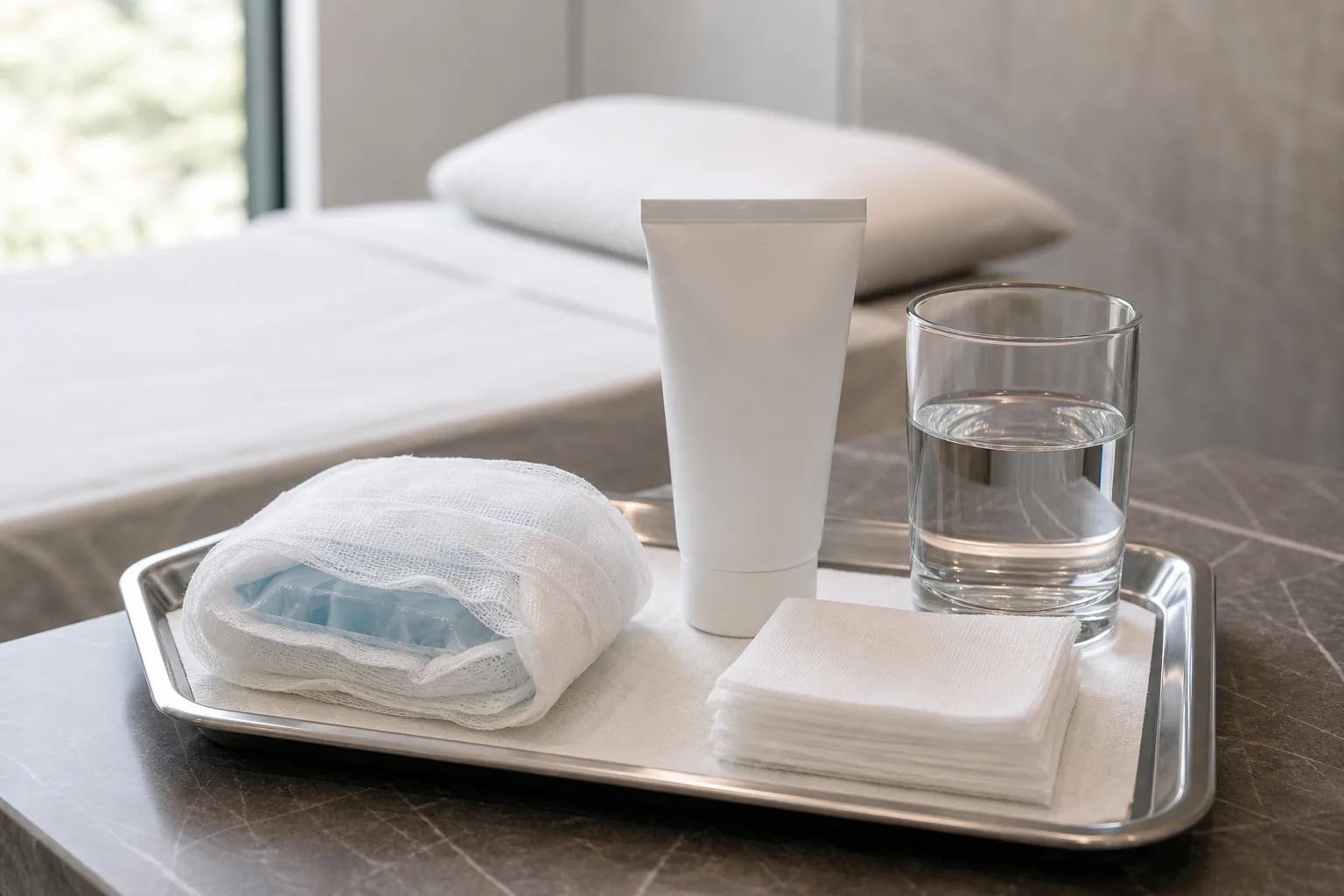
Numbing cream goes on first, usually for a short while before we start. I then place small amounts of product across the area with fine needles. Each pass feels like a quick sting with some pressure. The forehead and the skin around the eyes are usually more sensitive than the cheeks. Rejuran HB+ contains lidocaine, and manufacturer data cited on our Korean website reports 53% less discomfort with it.
The session takes about 30 minutes. Right afterwards, you will see small raised bumps across the treated skin. They generally flatten within hours to a day. Minor swelling, bruising or redness can last 2–3 days, and most people go straight back to their day.
Aftercare is simple but matters. Skip washing your face and wearing make-up for 24 hours. For about a week, avoid saunas, intense exercise and alcohol, wear sunscreen and do not rub or press the treated skin. If you are flying soon after, book the session early in your trip so the bumps have settled before you travel.
How I approach salmon DNA at VOS
I start with your skin, not the product. In consultation I look at thickness, barrier condition, redness and where the fine lines sit, using our 3D skin analysis alongside a close look in good light. Only then do I decide whether PN is the right base, and how much product the face actually needs.
Often the answer is a combination rather than one product. PN may go across the cheeks where the skin is thin, the eye-area line under the eyes, and a hyaluronic acid booster where dryness dominates. Each plan is different because each face is different. The product details are on our Rejuran treatment page.
I also set expectations in numbers. Three sessions a month apart is the documented protocol, and a single visit is a partial result. If you want to see how changes typically unfold across that course, my article on Rejuran before and after describes the timeline week by week.
On price, here are the listed options from our official English price list, copied exactly. Rejuran Healer is ₩400,000 for 2 mL, and ₩300,000 per 2 mL from 8 mL. Rejuran HB is ₩350,000 for 1 mL. Rejuran Eye is ₩400,000 for 1 mL. All prices are in KRW before 10% VAT, apply to all nationalities and may change without notice, so check the current list on our pricing page before you travel.

Before you message us
The questions above cover what most people ask me first. Beyond them, the most useful thing you can send is a clear daylight photo of your face without make-up, a sentence about what bothers you most, and your travel dates. With that, I can tell you whether salmon DNA is the right starting point and how many sessions your schedule realistically allows. The clinic is in front of Dosan Park and is closed on Wednesdays, Sundays and public holidays.
Results, timing and recovery vary from person to person. Nothing here replaces an in-person consultation with a dermatologist.
Send your concern, a photo and your dates on WhatsApp, and our team will reply with a clear plan and quote before anything is scheduled.
See me explain it on video
I answer the questions patients ask me on camera. The YouTube channel is in Korean with English titles; Instagram and TikTok are for international patients.

Questions readers ask about korean salmon dna
Does a salmon DNA injection contain fish cells or fish protein?
Is PDRN the same thing as Rejuran?
How many salmon DNA sessions do I need?
Will people notice I had something done?
Can salmon DNA replace filler or a lifting treatment?
Results, timing and recovery vary from person to person. This article is general information from VOS Dermatology Clinic and does not replace an in-person consultation. Any prices mentioned are from the clinic’s official price list (KRW, before VAT) and may change.
Related articles

PDRN in Korea for Dry Skin: What Helps and What to Pair
PDRN in Korea for dry skin: dryness vs dehydration, where salmon DNA helps, when hyaluronic acid works faster, and listed prices. VOS Dermatology, Gangnam
Rejuran Korea: Types, Sessions and Prices in Seoul
Rejuran Korea guide: Healer vs HB+ vs Eye, how three sessions fit a trip, what the bumps look like and exact listed prices — VOS Dermatology, Gangnam.
Korean Skin Boosters: Types, How to Choose, Seoul Prices
Korean skin booster guide: Rejuran, Juvelook, Juveàcell, HILO WAVE and more — how to choose, how they fit a trip and listed prices at VOS Dermatology, Gangnam.