
Hilo wave filler hyaluronic acid korea: skin quality vs volume
hilo wave filler hyaluronic acid korea: VOS Dermatology, Gangnam on what this dual HA booster does, who it suits, and when a volume filler fits instead.

If you searched “hilo wave filler hyaluronic acid korea”, here is the direct answer: Hilo Wave is a hyaluronic acid skin booster that mixes cross-linked and non-cross-linked HA to improve hydration, fine lines, pores and texture, and it isn't designed to reshape cheeks, lips or a nose. That difference matters if your real worry is flying home from Seoul with a puffy, overfilled face. A booster aims to change how the skin behaves, while a volume filler changes contour.
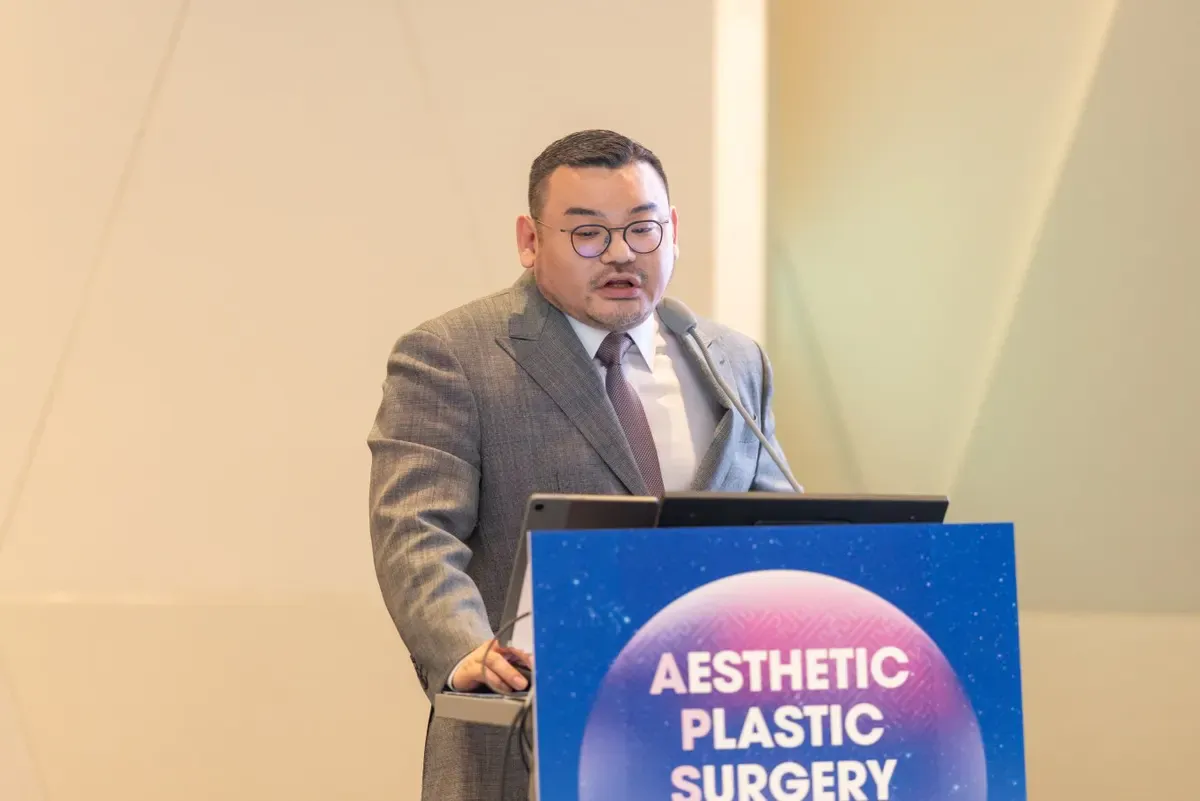
I'm Dr. Hongseok Kim, a board-certified dermatologist with 21 years of experience, and I handle both the consultation and the treatment myself, so I'd rather you know what this product can't do before you book.
On the clinic's menu, Hilo Wave is listed for hydration, pores, fine lines, skin texture, radiance and overall skin quality, with results that typically last three to four months. It suits skin that looks dry, dull or crêpey more than skin that has dropped. If your main complaint is sagging along the jaw, you need a different conversation.
If you can't tell which of those two describes your face, take one photo in daylight, facing a window, without makeup, and send it on WhatsApp with a single question: “texture or volume?” It takes two minutes, and it turns a vague worry into a question about your own skin.
Send a daylight photo on WhatsApp: texture or volume?
What is Hilo Wave, and why do people call it a filler?
Hyaluronic acid (HA) is a sugar molecule your skin already makes, and its main job in the dermis is holding water. The US Food and Drug Administration lists hyaluronic acid among the materials used in dermal fillers, which is why the word “filler” keeps appearing next to a product that is really a booster. What separates the two is how the HA is built and how much of it goes where.
Non-cross-linked HA is made of loose chains. The body usually breaks them down within days to a few weeks, so their work is mainly hydration. Cross-linked HA has its chains bonded together. It resists breakdown and holds a little structure, and volume fillers depend on that bonding to keep a shape for many months.
Hilo Wave puts both kinds into one product, which the clinic's menu calls dual-action hyaluronic acid. Picture watering a dry plant and adding a light trellis at the same time: the loose HA draws water into the skin, and the cross-linked part gives that hydration something to hold on to. Building a cheekbone or a chin is a different task.
Most “hilo wave filler hyaluronic acid korea” searches come from people who saw the word filler in a product listing. If you were actually looking for contour filler brands, the comparison in Korean filler vs Juvederm is closer to your question.
Who it suits, and who needs a different treatment
The quickest way to sort this out is to start from what you see in the mirror and work backwards.
| What you notice | Is it Hilo Wave's job? | What usually addresses it |
|---|---|---|
| Dry, dull skin that looks tired by afternoon | Yes, a core use | A hydrating booster such as Hilo Wave |
| Fine, crêpey lines on the cheeks | Often | A booster, sometimes paired with a tightening device |
| Enlarged pores, rough texture | Partly | A booster, sometimes with resurfacing |
| Jowls, a softer jawline | No | Lifting energy (ultrasound, radiofrequency) or structural support |
| Nose, temple, forehead or lip shape | No | A volume filler, which is a separate product and decision |
The jowl row deserves a sentence of its own, because “filler in cheeks to lift jowls” is a common search. In some faces, restoring support higher up in the cheek softens the shadow above the jowl. That is a structural decision about volume and placement, and a booster spread through the skin won't do it. For loosening skin, I usually think about energy devices first.
Hilo Wave sits on the clinic's skin glow menu next to ultrasound and radiofrequency tightening such as Sofwave and Thermage FLX, plasma resurfacing with Opus, and other boosters.
The word filler also covers jobs far from the face. Shoulder filler, listed with the clinic's body treatments, is for shoulders that look narrow or angular for someone's build. It shares the word filler with Hilo Wave and little else, so don't let a search result blur the two.
Will Hilo Wave make my face look puffy?
The “pillow face” you've seen in photos generally builds up over years. Volume filler goes into the cheeks, midface and under the eyes, and each top-up is added before the last one has fully faded. Gradually the face loses its angles and starts to look inflated, especially when the person smiles. A booster meant for skin quality, lasting around three to four months on the clinic's own menu, isn't the usual route to that look.
Risks and side effects to know
What you may notice in the short term is different. That is the product and the fluid settling, and it isn't the same as overfilling.
Dose matters too. My rule for every injectable is the exact amount and concentration your skin needs, never more and never less. With a booster, adding extra product makes no sense, since the goal is how the skin holds water and light. If you're curious how that kind of change shows up over weeks, the piece on instant glow versus glow that builds walks through the difference.

How I approach a Hilo Wave consultation
Every skin is different, so the diagnosis and the plan have to differ too. A plan at VOS starts with a skin analysis, and from there I choose the device or the combination for your face rather than handing you a package. The clinic has 3D skin analysis among its diagnostic tools, which helps separate what's happening at the surface from what's happening deeper down.
The reasoning is plain once you see it. A booster can't lift tissue that has descended, and a lifting device can't put water back into dehydrated skin. Many people in their 40s and 50s have a bit of both. Then the question becomes which problem bothers you more, and what order makes sense within the days you have in Seoul. I perform all procedures myself, so the person who looks at your skin in the consultation is the person who treats it.
If you want to know what sits behind the title dermatologist in Korea, I explained what board certification means in a separate post.
Worth knowing: Because Hilo Wave typically lasts three to four months, it works best as part of a rhythm you can keep up. If you only visit Seoul once a year, ask yourself whether a result that fades before your next trip fits your plans, and raise that in the consultation.
What can go wrong with hyaluronic acid fillers?
The common effects of HA injections are short-lived: redness, swelling, bruising, tenderness and small bumps where the product went in. The FDA lists these as the usual side effects of dermal fillers. Bruising is more likely if you take blood-thinning medicines or supplements, so mention them before treatment and never stop a prescribed medicine on your own.
The rare serious risk is product entering a blood vessel. The FDA warns that this can damage the skin and, in rare cases, affect vision or cause a stroke. The cases people discuss online under searches like “vascular occlusion lip filler” or “lip filler gone wrong” mostly involve volume fillers in the lips, nose, forehead and temples, where vessels run close to the surface and larger amounts are used. Any injected HA carries the risk in principle, which is why anatomy matters more than the brand name.
HA can also be broken down with an enzyme called hyaluronidase, and that is part of why it is the filler material most doctors are comfortable correcting.
Infection is uncommon. The clinic's safety system includes autoclave and UV sterilisation, strict use of disposables and regular equipment inspection, and it uses a 5μm ultra-fine filter syringe designed to block particles such as ampoule glass fragments.
Most doctors would ask you to wait if you have an active infection, a cold sore or an acne flare in the area, or if you're pregnant or breastfeeding. Whether you're suitable is decided at the in-person exam, and results vary from person to person.
How does Hilo Wave fit into a trip to Seoul?
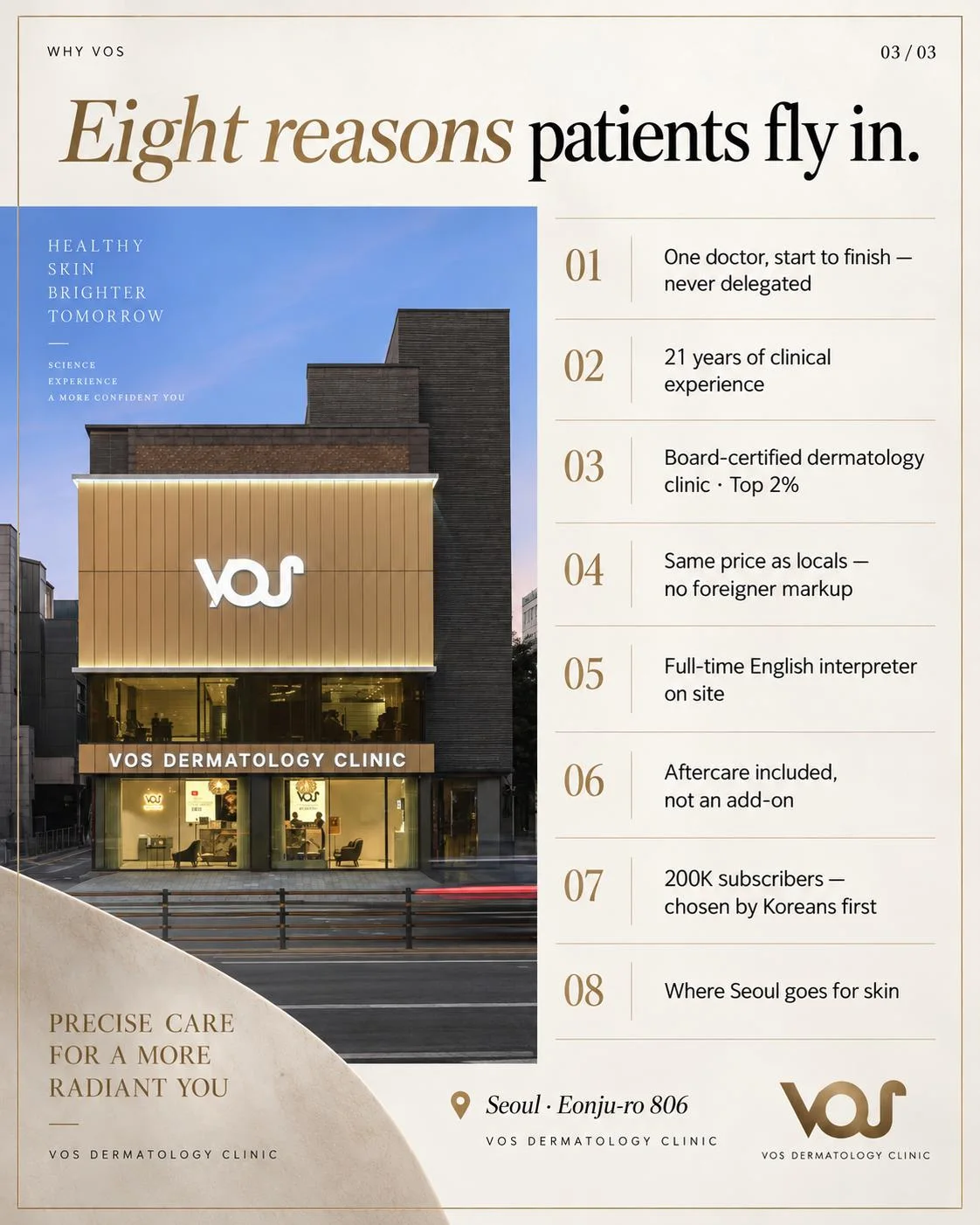
The clinic is at 806 Eonju-ro in Gangnam, in front of Dosan Park. The closest subway route is Line 7 to Gangnam-gu Office Station, Exit 3, about an 11-minute walk. It's open Monday, Tuesday and Thursday from 10:00 to 19:00, Friday until 20:00 and Saturday from 10:00 to 16:00. It's closed on Wednesdays, Sundays and public holidays, so an arrival on a Tuesday evening means a Wednesday with no clinic.
Book the treatment early in your stay rather than the day before your flight. Small bumps or a bruise can then settle while you're still in Seoul. Leave yourself a spare day, and ask at booking how many days you should allow before flying.
If you're also planning a facial-based glow for a wedding or an event, the post on timing a hydra glow facial in Seoul covers how close to the date each step should fall.
Before you message us
Send two daylight photos without makeup, one from the front and one from the side, on WhatsApp at https://wa.me/821096974628. Add your travel dates and one line about what bothers you most, for example dull texture or a softening jawline. You'll get an honest answer about what is realistic for your skin before you book anything.
See me explain it on video
I answer the questions patients ask me on camera. The YouTube channel is in Korean with English titles; Instagram and TikTok are for international patients.


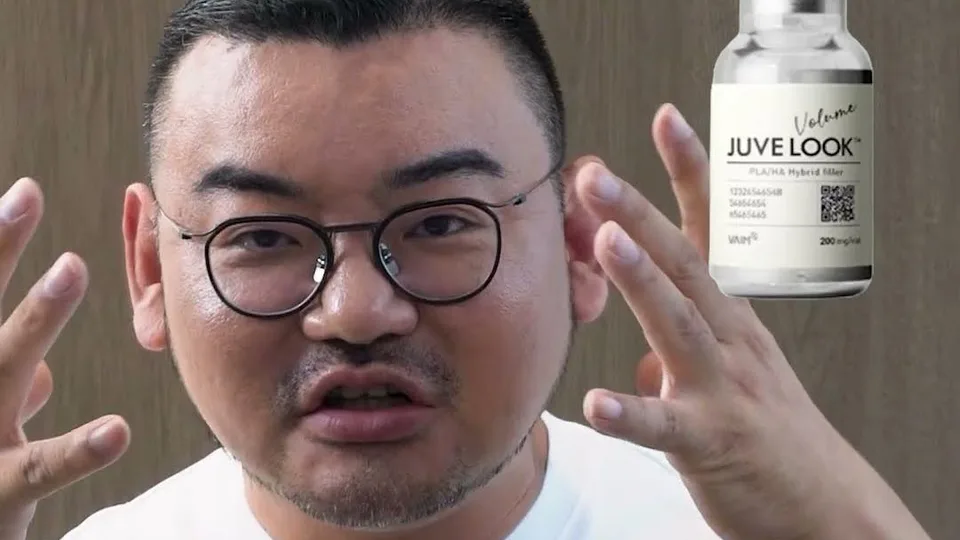
Questions readers ask about hilo wave filler hyaluronic acid korea
Is Hilo Wave the same as a lip or cheek filler?
How long does a Hilo Wave treatment last?
Can I fly home right after Hilo Wave?
Does a hyaluronic acid booster hurt?
Can hyaluronic acid be dissolved if I don't like the result?
Results, timing and recovery vary from person to person. This article is general information from VOS Dermatology Clinic and does not replace an in-person consultation. Any prices mentioned are from the clinic’s official price list (KRW, before VAT) and may change.

Korean Filler vs Juvederm: What Differs and What Doesn't
Korean filler vs Juvederm from a dermatologist: how HA gels differ, when brand matters less than placement, and listed filler prices. VOS Dermatology, Gangnam
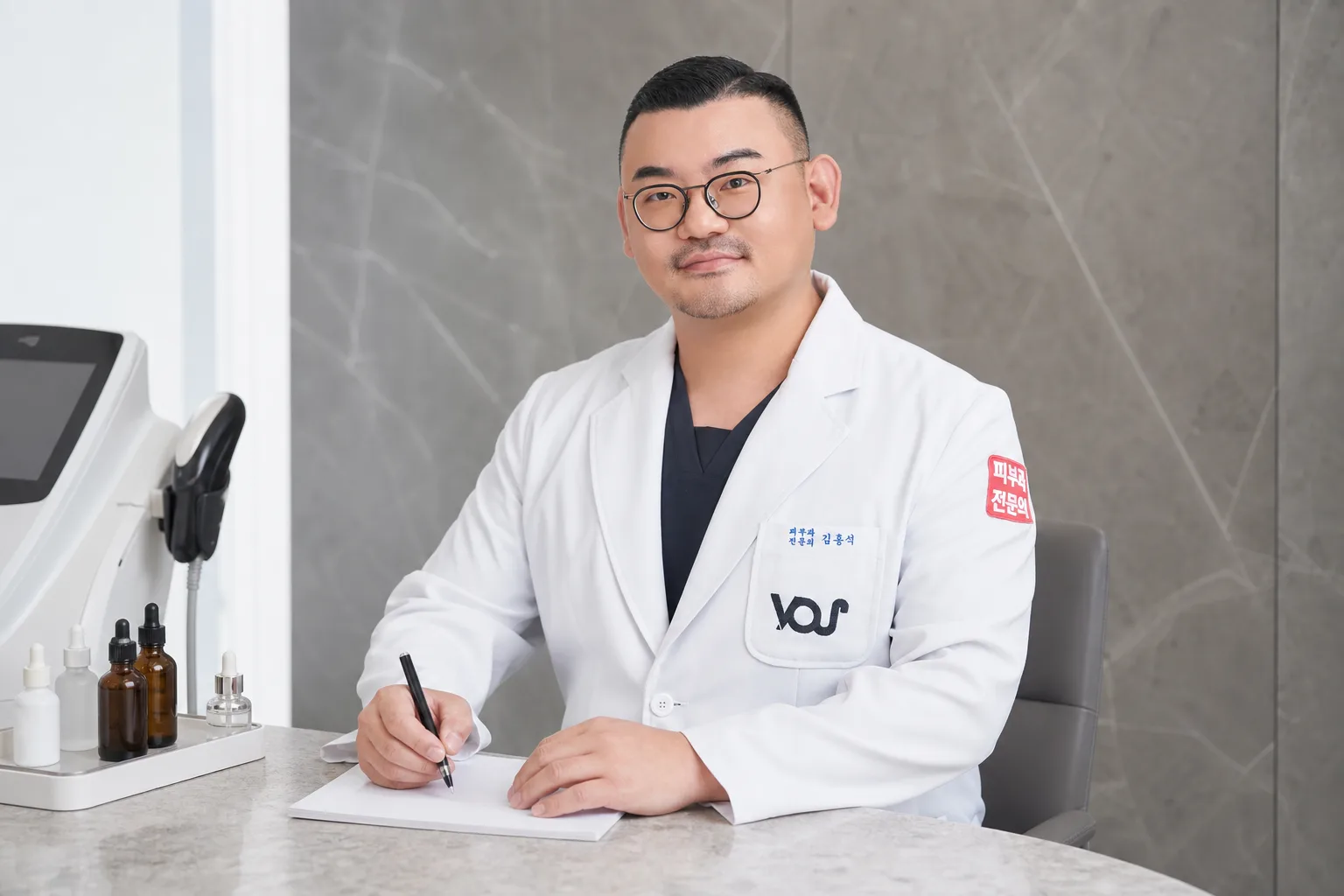
Korean Glow Facial: Instant Glow vs Glow That Builds
Korean glow facial guide: which option gives same-day glow, which builds it over weeks, and how to time it around an event or flight. VOS Dermatology, Gangnam

Korean Dermatologist: What Board Certification Means
Korean dermatologist guide: what board certification means in Korea, how to check who treats you and what to ask before booking — VOS Dermatology, Gangnam.