Is One Rejuran Healer Session Enough? Usually Not, and Why
Rejuran Healer is a three-session course a month apart. How to plan it if you live in Asia or visit Seoul only once, from VOS Dermatology, Gangnam.


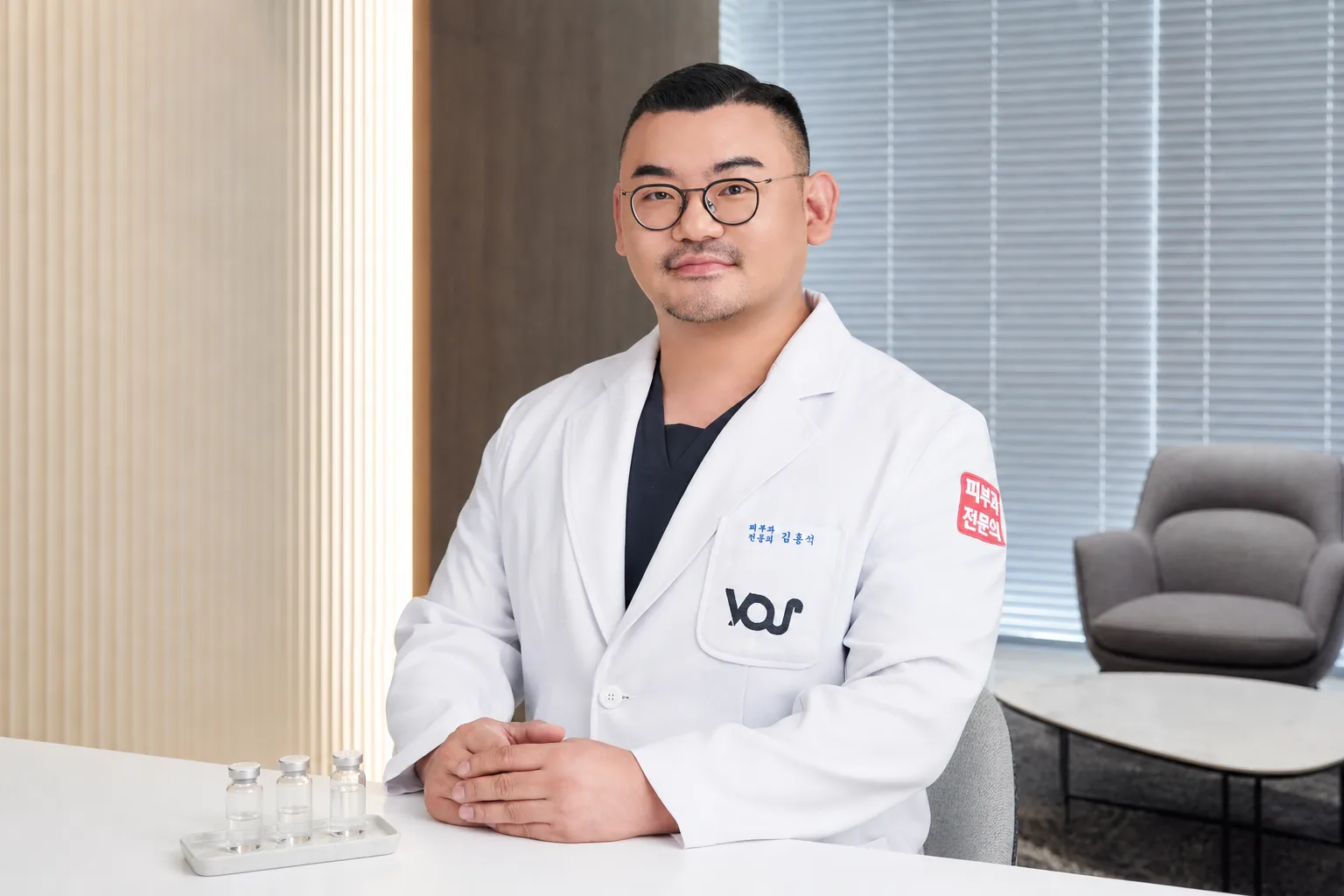
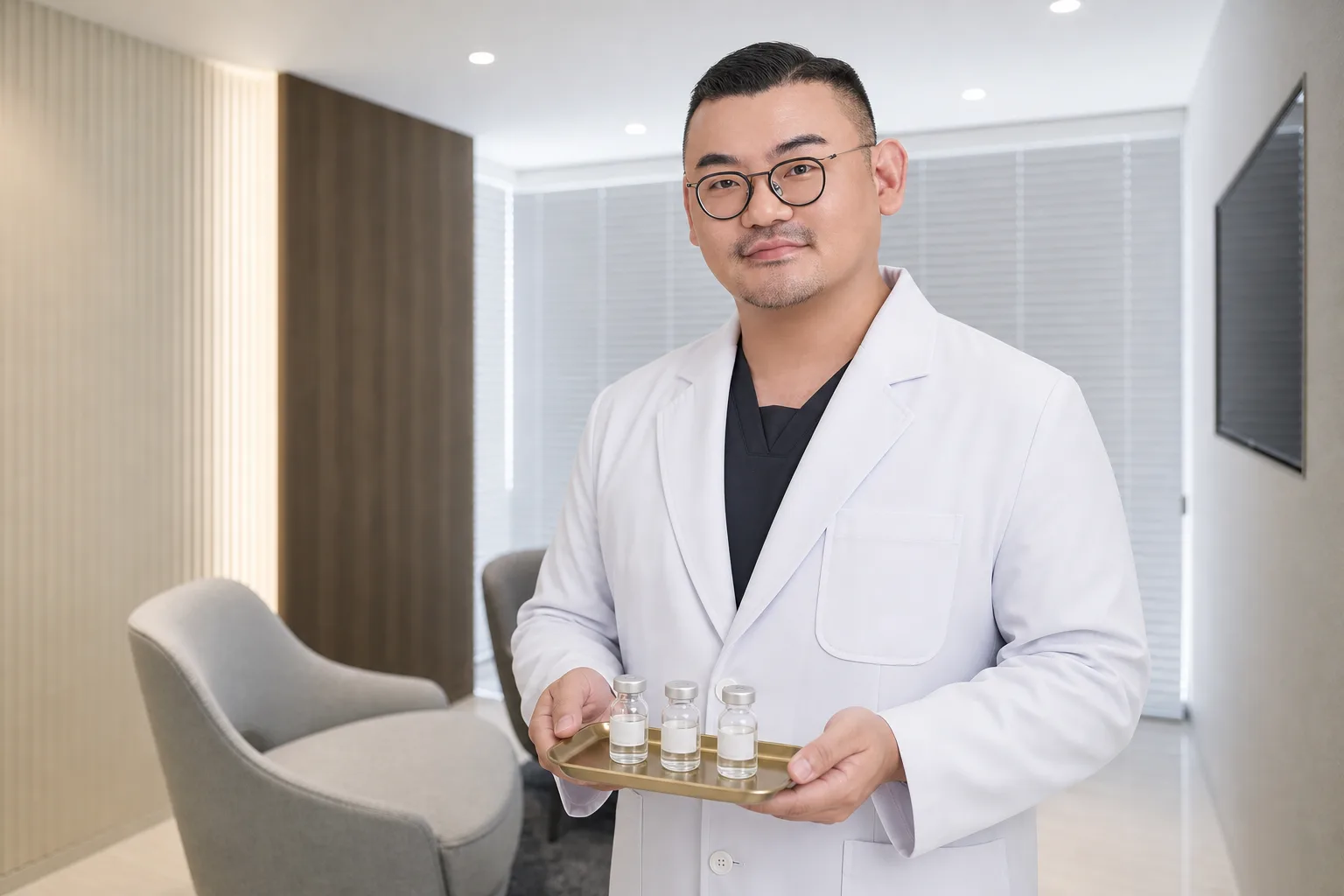
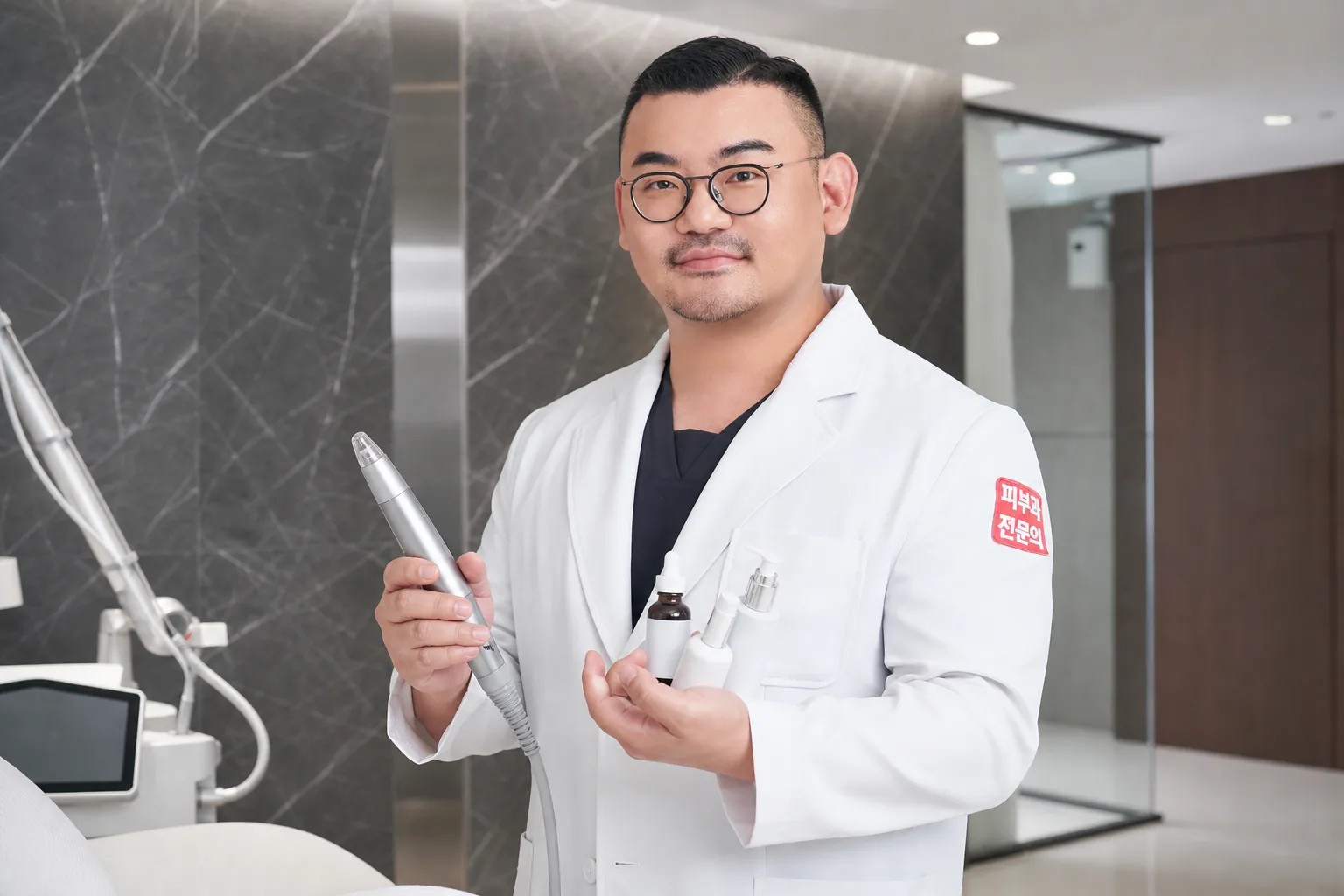
I'm Dr. Hongseok Kim, a board-certified dermatologist with 21 years in practice and the medical director of VOS Dermatology in Gangnam. I see every patient myself, from the first consultation to the injection. I'm writing about Rejuran Healer from a calendar point of view, because the standard course assumes you can come back to Seoul twice more, four weeks apart, and many people reading this site can't.
Rejuran Healer is a polynucleotide (PN) skin booster, and the standard protocol is three sessions about a month apart. One session on a single trip is a start, not a course. Whether that start is worth it for you depends on your skin and on where you live.
On the day, expect many fine needle pricks across the treated area, which most people describe as stinging rather than deep pain. The visit includes a consultation and skin analysis before any injection, so allow more time than the injections alone. Changes in texture, if they come, usually show gradually over the following weeks rather than the next morning.

What Rejuran Healer does in the skin
Rejuran Healer puts polynucleotide, a molecule purified from salmon DNA, into the dermis through many tiny injections. It doesn't fill or lift anything. The aim is to support the skin's own repair: fibroblast activity, barrier strength and hydration.
That is why people who come for it tend to have thin, reactive skin rather than deep folds. The profiles it suits are fairly specific: thinner, more sensitive skin; fine lines and rough texture; skin that looks tired because elasticity is dropping; and people who want a natural change rather than a visible one. If your main concern is a sagging jawline or hollow cheeks, Healer is the wrong tool on its own, and a different conversation is needed.
The published evidence on polynucleotides is limited. A systematic review in the Journal of Cosmetic Dermatology looked at polynucleotides in esthetic medicine; the studies it gathered were mostly small and designed differently from one another, so they don't add up to a firm, measured effect. A 2025 review in Pharmaceutics compared PN with its smaller cousin, PDRN, and describes PN's longer chains as forming a scaffold in tissue. I'd read both as a reason for modest expectations, not as a promise.
For the full family (Healer, HB+ and the eye version) side by side, see the different Rejuran types explained.
Why is the course three sessions a month apart?
Repair is slow. Each session nudges the cells that build collagen and the barrier, and those cells work on a timescale of weeks, so the next session lands on skin that is already partway through the process.
The clinic's own Rejuran page states the protocol plainly: three sessions at one-month intervals, with results typically lasting over six months, and individual outcomes vary. That six-month figure describes the full course. It is not a number I would attach to one session.
Worth knowing: A single Rejuran Healer session is not wasted, but it is a different product from the three-session course. If you can only come once, judge it on its own terms: a start on texture and hydration, not the result you see described for a completed course.
The spacing also has a practical side. Small bumps at the injection points need to settle, and the skin needs time before the next round. Squeezing three sessions into one week of holiday doesn't speed anything up, and it isn't how the protocol is designed.

Can three sessions fit into a life in Asia?
Three sessions fit when you plan around where you live rather than around the treatment. The table below sets out the three situations most readers of this site are in.
| Your situation | Sessions in Seoul | The trade-off |
|---|---|---|
| Living in Korea | All three, a month apart | The standard course; plan visits around the clinic's closed days |
| Living nearby in Asia | One to three, timed with trips you already take | Flights decide the spacing; gaps much longer than the month in the protocol may weaken the build-up |
| One trip only | One | A partial course, or finish with a licensed doctor near home |
If you live in Korea, this is simple. Book the first session and the next two fall into place, roughly four weeks apart.
If you live in Singapore, Hong Kong, Malaysia or Japan and come to Seoul a few times a year, match sessions to trips you would take anyway. A first session in spring, a second on a long weekend about a month later, and a third after that is a real course. Six months between the first and second is not.
If you're on one trip, the choice is between a partial course here and a full course somewhere you can return to. Rejuran is sold in several countries, and some readers finish their course with a doctor at home.
If you go that route, check that the place is a licensed medical clinic and that a doctor injects, not a beauty centre. Bring a note of the product and the areas treated so the next doctor knows where you started.
Want a personal answer? Message us on WhatsApp — we reply in English.
Healer, HB+ or Rejuran i: which fits a first course?
Healer is the general option for face and neck. For most people asking about Rejuran for the first time, it's the starting point.
Rejuran HB+ combines PN with hyaluronic acid and lidocaine, for deeper hydration and less discomfort during the injections. It makes sense when the skin is dry as well as thin, or when someone finds the injections hard to sit through. Rejuran i is formulated for the under-eye area, where the skin is thinnest; there is a separate article on Rejuran for the eye area.
On one trip, the choice between them matters more than usual, because you only get one go. That is a reason to decide on the day, after the skin is examined, rather than from a menu at home.

Side effects, risks and who should wait
The common effects are short-lived and visible: small raised bumps where each injection went in, some redness, and pinpoint bruises in places. The bumps often settle within a day or so, though some people keep faint marks for several days. Tenderness during and after the injections is normal; HB+ has lidocaine mixed in for that reason.
Less common:
- Bruising that lasts a week or more, more likely if you take blood thinners or supplements that affect bleeding. Tell the doctor about everything you take.
- Infection or a lump that grows or becomes painful after the first few days. This needs a doctor's eyes, wherever you are.
- An allergic reaction. PN is purified from salmon DNA, and if you have a known fish allergy or a history of reactions to injectables, say so before anything is drawn up.
Some situations are reasons to wait rather than to go ahead. Active acne, eczema flares or any infection in the area to be treated usually mean postponing. Most doctors also postpone elective injectables during pregnancy and breastfeeding. And if you have a big event or a flight the same evening, the visible bumps are worth planning around.
Results vary from person to person, and the in-person exam decides whether Healer suits your skin at all.
How I approach Rejuran Healer when someone has one trip
Every plan at VOS starts with a skin analysis that I do myself, in the consultation room on the second floor, using 3D skin analysis alongside what I see and feel.
Injectables at the clinic are drawn up through a 5μm ultra-fine filter syringe, meant to keep particles such as ampoule glass fragments out of what goes into the skin.
For Healer, the questions that matter are concrete. How thin is the skin over the cheeks, and does it crease finely when you smile? Is the barrier irritated, with redness, flaking or stinging from products that used to be fine? Are the lines fine and textural, or are they folds from volume loss that PN won't change?
Then comes the calendar question, which matters as much as the skin. If you can't come back, I want you to leave knowing what one session can and can't do, and what to ask a doctor near home if you want to continue.
Doctor's note
The hardest conversation is with someone who flew in hoping one session would do what a full course does. I would rather say that plainly in the consultation than have you judge Rejuran by a result it was never designed to give in one visit. Sometimes the useful answer is that your skin needs something else first.
If injections make you anxious, tell us. The clinic has nitrous oxide sedation, with more than 5,700 cases recorded, and HB+ contains lidocaine; whether either makes sense for your session is something to discuss at the consultation.

Planning the days around a session in Seoul
Plan the session early in the trip and keep that evening light. The clinic is at 806 Eonju-ro in Gangnam, in front of Dosan Park, about an 11-minute walk from Exit 3 of Gangnam-gu Office station on Line 7, or 14 minutes from Exit 3 of Apgujeong station on Line 3.
Opening hours:
- Monday, Tuesday and Thursday: 10:00 to 19:00
- Friday: 10:00 to 20:00
- Saturday: 10:00 to 16:00, with no lunch break
- Lunch on weekdays is 13:00 to 14:00
- Closed on Wednesday, Sunday and public holidays
A traveller who lands on a Tuesday night and flies out on Sunday has Thursday, Friday and Saturday to work with. Thursday or Friday gives the bumps a day or two to settle before you leave. Saturday morning is possible but tight if your flight is that evening.
After the session, keep sunscreen on, skip saunas and hard workouts for a day or two, and leave makeup until the next day unless the doctor says otherwise on the day. If you want a glow treatment on the same trip, there's a separate piece on timing a HydraFacial alongside a booster. For other options in the same category, the face line treatment menu lists what else the clinic offers, and the Rejuran treatment page covers the product line in detail.

Before you message us
The most useful thing to send is your travel dates, plus one line on whether you could come back to Seoul within four to six weeks. Add a recent photo of your skin in daylight, without makeup, if you're comfortable sharing it.
Those few lines are enough to start the conversation about whether one session or a full course fits your calendar. The VOS Dermatology home page has the clinic's address and hours if you want them saved before you write.
You can reach the clinic on WhatsApp at wa.me/821096974628. Results vary between individuals, and the final decision about any treatment is made after an in-person examination.
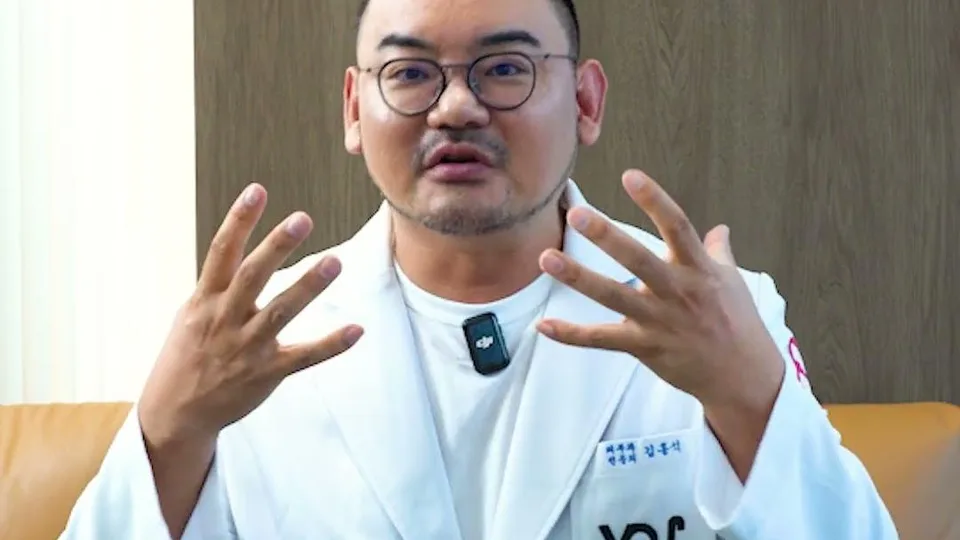
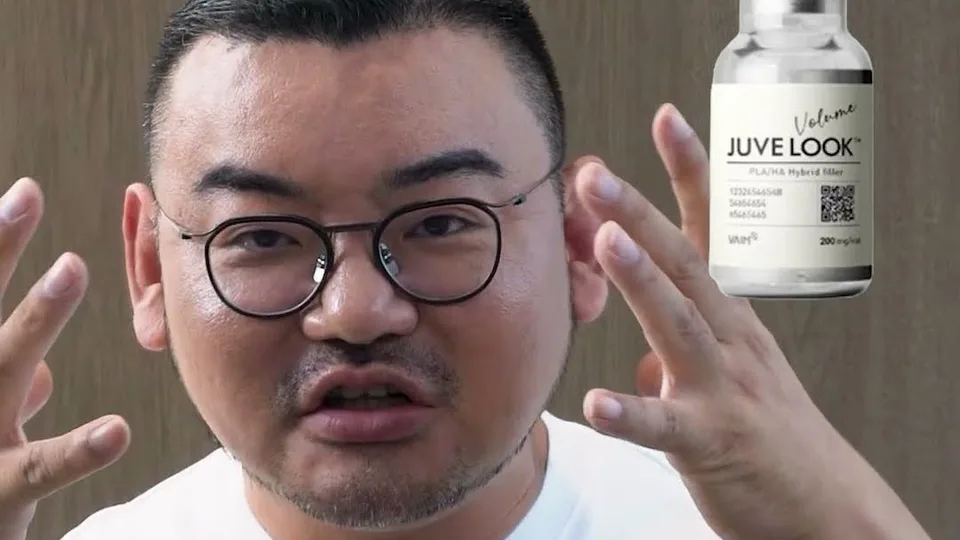
See me explain it on video
I answer the questions patients ask me on camera. The YouTube channel is in Korean with English titles; Instagram and TikTok are for international patients.

Questions readers ask about rejuran healer
How long do Rejuran Healer bumps last?
Is Rejuran Healer the same as Rejuran HB+?
Can I finish a Rejuran course in another country?
Who should not get Rejuran Healer?
Does Rejuran Healer help with sagging skin?
Results, timing and recovery vary from person to person. This article is general information from VOS Dermatology Clinic and does not replace an in-person consultation. Any prices mentioned are from the clinic’s official price list (KRW, before VAT) and may change.
Related articles
Rejuran Korea: Types, Sessions and Prices in Seoul
Rejuran Korea guide: Healer vs HB+ vs Eye, how three sessions fit a trip, what the bumps look like and exact listed prices — VOS Dermatology, Gangnam.
Rejuran i for the Eye Area: Fine Lines, Sessions, Prices
Rejuran i for under-eye skin: what it improves, what it cannot fix, how sessions and bruising work, and the exact listed prices at VOS Dermatology, Gangnam.
Korean HydraFacial: Benefits, Price and When a Booster Fits
Korean HydraFacial guide: what the 3-step, 30-minute facial does, where it stops, how it compares with skin boosters and pricing — VOS Dermatology, Gangnam.