best pdrn in korea for dry skin: what to ask the clinic first
Searching best pdrn in korea for dry skin? A Seoul dermatologist on PDRN vs PN, pharmacy creams and what to ask a clinic. VOS Dermatology, Gangnam

If you typed "best pdrn in korea for dry skin" into a search bar, the useful answer is that no single product wins: what decides the outcome is whether your dryness comes from a weakened barrier an injection can help, which polynucleotide is used, and who injects it at what depth. Many visitors carry a second worry that matters just as much. What if the injection bumps are still visible on the flight home, and who do you call once you're back in London, Toronto or Sydney?
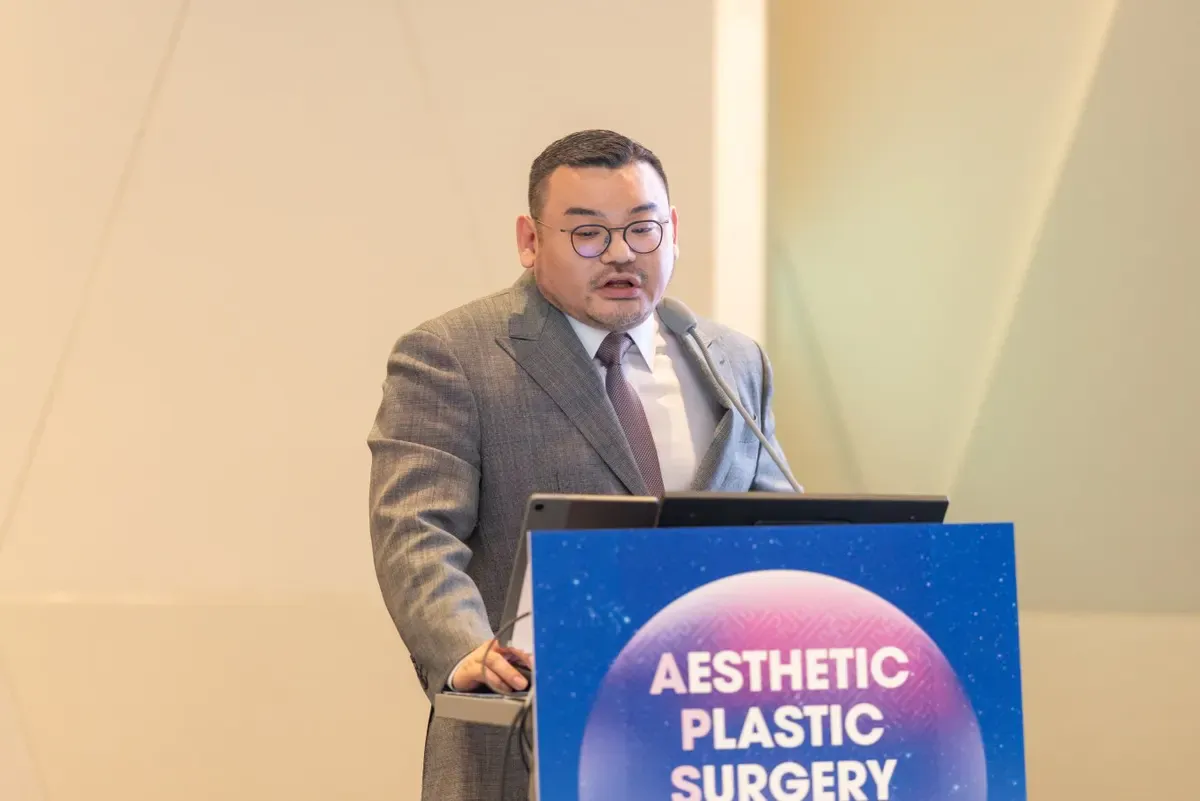
I'm Dr. Hongseok Kim, a board-certified dermatologist with 21 years of experience, and at VOS Dermatology Clinic I perform every procedure myself, from the consultation to the injection. I wrote this because "PDRN" now appears on pharmacy creams, sheet masks and clinic injection menus at the same time, and the label alone tells a dry-skin patient very little.
If you already have rough travel dates, send them on WhatsApp with one daylight photo of the dry area, no makeup. You'll get a reply in English, and you can line your dates up against our hours (we're closed on Wednesdays and Sundays) before you book a flight.
Send your dates and a photo on WhatsApp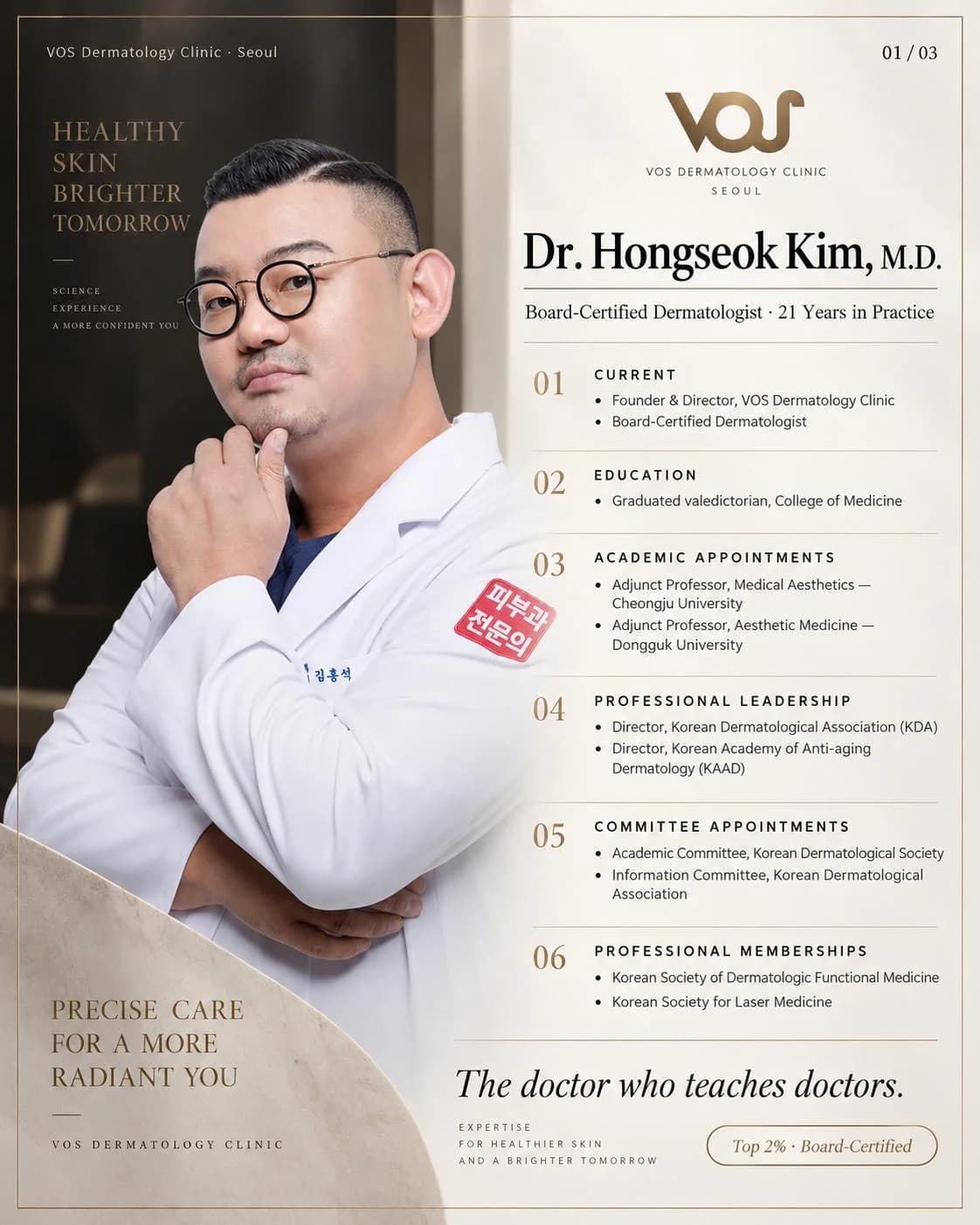
PDRN and PN are cousins, and the injection on our menu is Rejuran
PDRN (polydeoxyribonucleotide) and PN (polynucleotide) are both purified DNA fragments, usually from salmon. A 2025 review in Pharmaceutics comparing the two describes PDRN as the shorter-chain form discussed mainly for its signalling effect on tissue repair, while PN keeps longer chains that also form a gel-like scaffold in the dermis.
At VOS, the polynucleotide injection we list is Rejuran, in three lines: Rejuran Healer for the face and neck, Rejuran i for the eye area, and Rejuran HB+, which adds hyaluronic acid and lidocaine for hydration and barrier support. Our treatment sheet describes Rejuran Healer as suited to sensitive skin, redness and a compromised barrier, which is a fair description of a lot of chronically dry skin.
If you arrive asking about PDRN, PN is what we would actually be discussing. That's worth knowing before you compare clinics by the word on the menu. You can read more on our Rejuran treatment page.
Can a Korean pharmacy PDRN cream do the same job?
No, because a cream and an injection put the ingredient in different places. The "500 Dalton rule" described by Bos and Meinardi in Experimental Dermatology (2000) holds that compounds above roughly 500 Da cross intact skin poorly, and DNA fragments are far larger than that.
A PDRN cream can still be a decent moisturiser because of everything else in the jar: humectants, emollients, barrier lipids. Buy one if you like the texture. Just don't expect it to do what a few drops placed in the dermis do.
Worth knowing: dry skin usually improves more from removing irritants than from adding a hero ingredient. A gentle, low-foam cleanser, very little exfoliation, moisturiser on damp skin and daily sunscreen form the base any injection sits on. People searching for a Korean exfoliator for dry skin often need less scrubbing rather than a stronger product.
For how boosters and routine fit together over a longer stretch, I covered pairing options in PDRN in Korea for dry skin and the wider glow question in glowing skin, Korean style.

Four questions to put to any clinic before you book
Ask who injects, which exact product, what one visit can achieve, and what happens after you fly home. These four answers separate a clear plan from a menu item. You can ask them on any clinic's messenger before paying a deposit, and a clinic that answers them plainly is easier to trust with your face.
| Question | Why it matters for dry skin | A clear answer sounds like |
|---|---|---|
| Who examines me, and who injects? | Depth and spacing decide comfort, bumps and how even the result is | A named doctor, and whether it's the same person on both steps |
| Which product and which line? | "PDRN" can cover several products with different ingredients | Brand and line named, such as Healer or HB+, from a sealed package |
| What can one session do on a single trip? | Polynucleotide courses are planned as a series | A frank account of one session's limits |
| What happens if I have a problem at home? | Follow-up will be thousands of kilometres away | Who you message, and which records you take with you |
On the first two questions, here is where VOS stands. All procedures are performed by me, and our clinic principles are written as Correct Amount, Genuine Product and Specialist. Injections are drawn through a 5μm filter syringe, which is designed to block tiny particles such as ampoule glass fragments.
On credentials more broadly: in Korea, a board-certified dermatologist holds the specialist title "pibugwa jeonmunui". You can ask whether the doctor who will inject you holds it. That one question tells you more than a review count.
What should a dry-skin consultation actually cover?
The cause of the dryness, before any product is named. Dry skin can mean a damaged barrier, simple dehydration, active eczema, a side effect of retinoids or acne medication, or a sign of something systemic such as thyroid disease. An injection helps some of these and does nothing for others.
At VOS, consultation is one-to-one and based on a skin analysis, and our diagnostic setup includes 3D Skin Analysis to look at complex skin issues. A consultation like this should also cover your current products, any recent peels or lasers, and whether you take blood thinners, because each of those changes timing.

How I approach dry skin before choosing an injection
I look first at the pattern. Fine flaking with tightness after washing points toward barrier damage. Redness and stinging with almost any product suggests a sensitised barrier. Rough, thickened patches in the elbow creases or around the eyes raise the question of eczema, and active dermatitis is a reason to treat the inflammation first and inject later.
When polynucleotide does fit, the choice between lines follows the main complaint. Rejuran Healer is generally considered when sensitivity, redness and a weak barrier dominate. Rejuran HB+, with its added hyaluronic acid, can be considered when the skin feels parched and dehydrated more than it feels reactive. For deep dryness where a quick change in glow matters, Hilo Wave is another option on our menu; our treatment notes describe deep dryness and glow improving from the next day, with elasticity following from about a week.
Doctor's note
A single polynucleotide session can soften dryness, but it is the start of a course rather than the whole of it. Our Rejuran page describes three sessions about a month apart, with regeneration effects lasting beyond six months. If you can only come once, I would rather you know that before the flight than after it.
What are the risks, and how does the flight home look?
Most side effects are mild and short-lived: soreness at the injection points, redness, swelling, small raised bumps and occasional bruising. Less common problems include infection, lumps that persist and allergic reactions.
Polynucleotide injections are usually not advised during pregnancy or breastfeeding, over an active skin infection or flare of eczema in the area, or in people with a known allergy to fish-derived ingredients. Blood thinners and some supplements raise the chance of bruising, so mention them early.
For the trip itself, place the injection early in your stay rather than the day before departure, so the bumps have time to settle while you're still in Seoul. How your skin responds varies from person to person, and the in-person examination decides whether an injection is right for you on that visit.
If blood thinners, retinoids or a recent peel apply to you, send that one line on WhatsApp together with your flight dates. The reply comes in English, and you'll know which open clinic days leave a buffer before your flight home.
Send your dates and a photo on WhatsApp
What if a bump or bruise shows up after you fly home?
Small bumps fading and a mild bruise turning yellow are expected. Increasing pain, warmth, pus or fever are not, and need a local doctor promptly. The U.S. Centers for Disease Control and Prevention advises people travelling for medical care to keep copies of their records and to arrange follow-up at home before they leave.
In practice, that means leaving Seoul with the product name and line, the areas treated and the date written down. A local dermatologist or GP can then work from facts. For a sense of how skin-quality changes usually unfold over the following weeks, see the glass-skin treatment timeline.

Before you message us
VOS Dermatology Clinic is at 806 Eonju-ro, Gangnam-gu, in front of Dosan Park, an 11-minute walk from Line 7 Gangnam-gu Office Station, Exit 3.
We're open Monday, Tuesday and Thursday 10:00 to 19:00, Friday 10:00 to 20:00 and Saturday 10:00 to 16:00, and closed on Wednesdays, Sundays and public holidays. Other skin-quality options are listed on our skin glow treatments page.
The most useful first message is short: your travel dates, one daylight photo of the dry area, and the products you use now. Results differ between individuals, so treat any plan as a starting point that your skin examination in Seoul will refine.
See me explain it on video
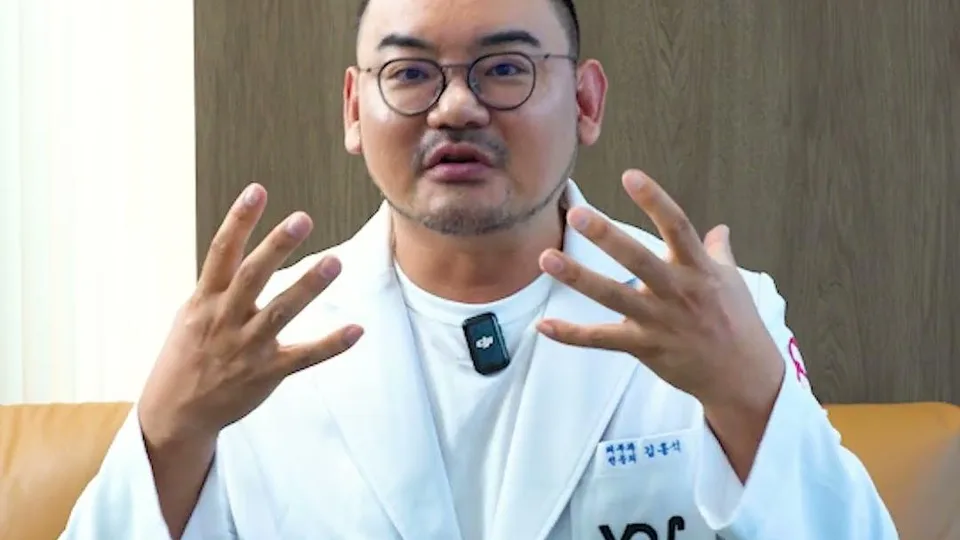
I answer the questions patients ask me on camera. The YouTube channel is in Korean with English titles; Instagram and TikTok are for international patients.

Questions readers ask about best pdrn in korea for dry skin
Is PDRN the same thing as Rejuran?
Can I fit a polynucleotide injection into a short Seoul trip?
Do polynucleotide injections hurt?
Should I buy PDRN skincare at a Korean pharmacy for dry skin?
Who should not have a polynucleotide injection?
Results, timing and recovery vary from person to person. This article is general information from VOS Dermatology Clinic and does not replace an in-person consultation. Any prices mentioned are from the clinic’s official price list (KRW, before VAT) and may change.

PDRN in Korea for Dry Skin: What Helps and What to Pair
PDRN in Korea for dry skin: dryness vs dehydration, where salmon DNA helps, when hyaluronic acid works faster, and listed prices. VOS Dermatology, Gangnam
Glowing Skin Korean Style: A Dermatologist's Honest View
Glowing skin, Korean style: what creates the glow — hydration, an even surface, a calm barrier, sun care — and which boosters help. VOS Dermatology, Gangnam
Korean Glass Skin Treatment Before and After: The Timeline
Korean glass skin treatment before and after, explained honestly: what changes week by week, what stays and how long results last — VOS Dermatology, Gangnam.