
Oligio Korea: How the RF Works and Whose Skin It Suits
Oligio Korea: an RF device that tightens skin rather than lifting it. Who it suits, its risks, and what to send first. VOS Dermatology, Gangnam.

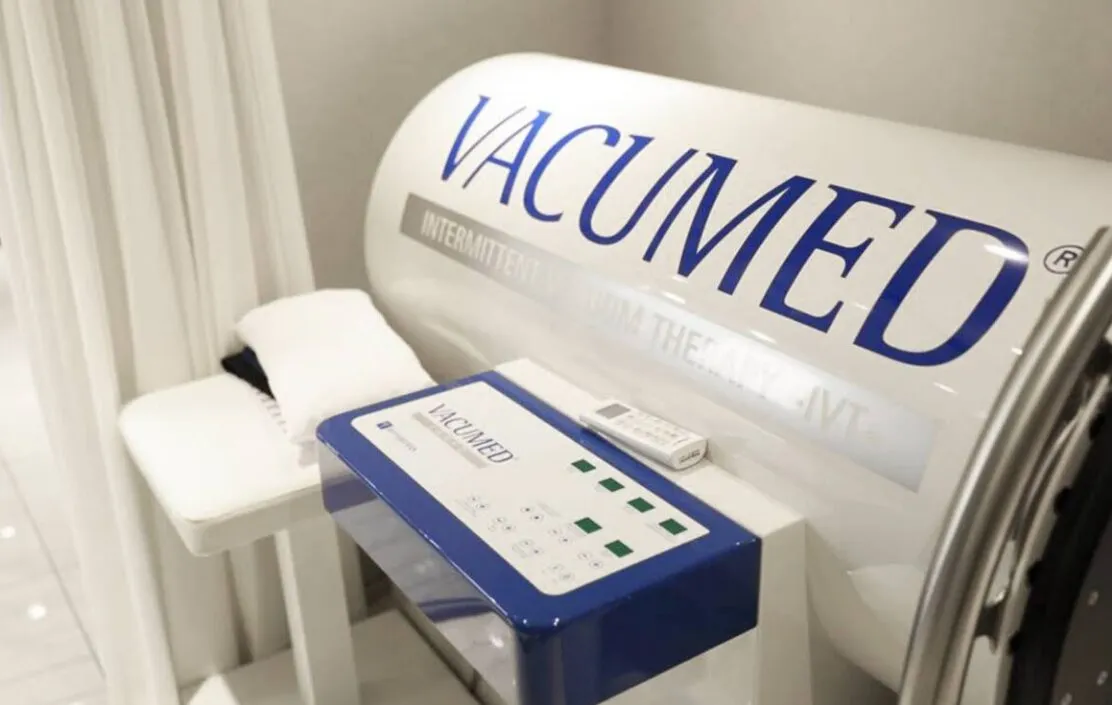
Oligio is a radiofrequency (RF) tightening device from a Korean manufacturer: it heats the deeper layer of the skin, the dermis, so that loosening, thinning skin firms up over the following months. Most Oligio Korea threads call it a laser or a lift, and it is neither. If you're comparing it with Thermage in a spreadsheet of forum notes, the worry underneath is whether it will do enough for your face to justify building a Seoul trip around it.
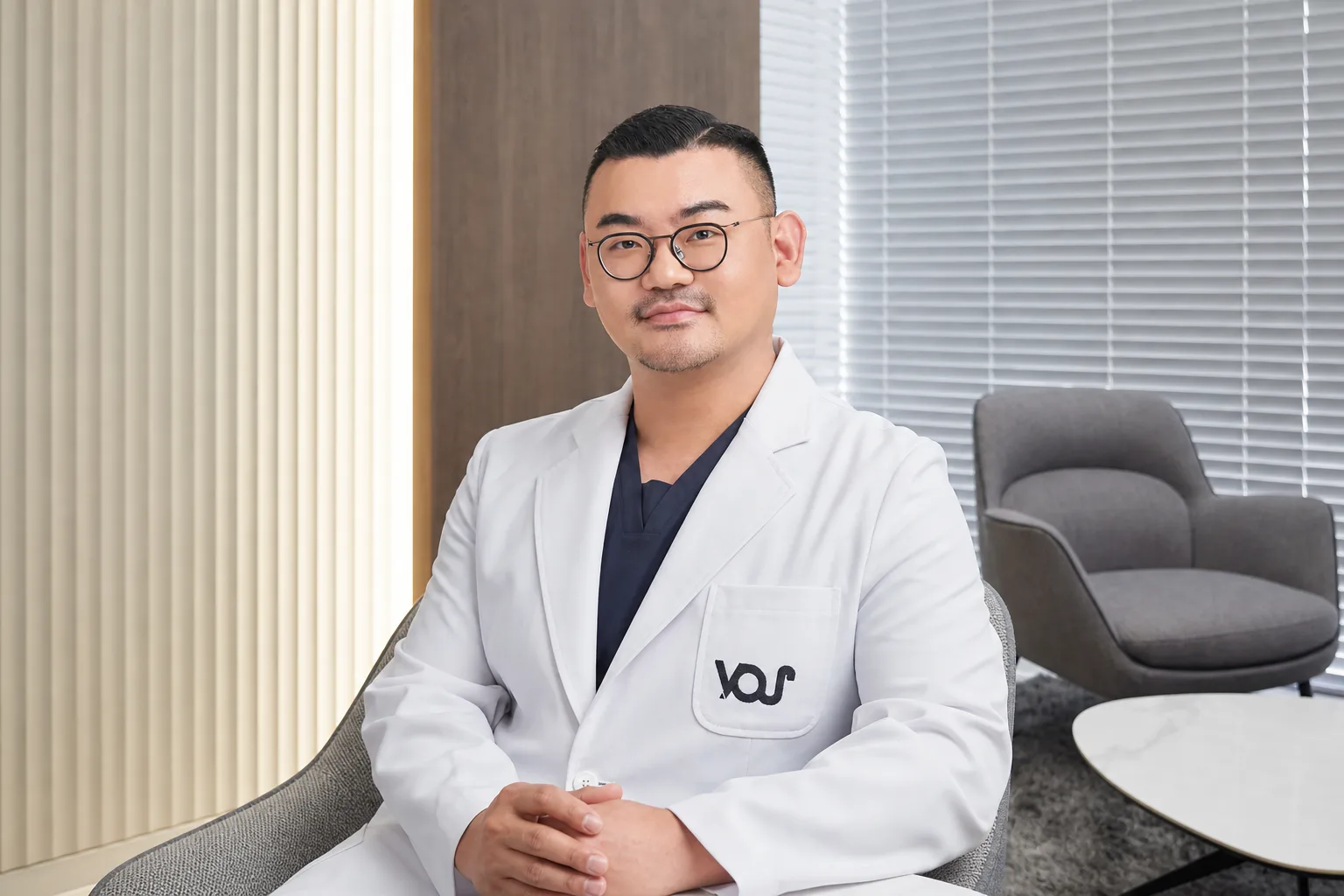
I'm Dr. Hongseok Kim, a board-certified dermatologist with 21 years of experience, and I perform every procedure at VOS Dermatology in Gangnam myself. Oligio XM is one of the tightening devices on my menu, and the mix-ups around it change which treatment a person should book, so they're worth clearing up before you plan the flight.
If you can't tell whether your skin has loosened enough for tightening to show, take two photos in daylight, one straight on and one from the side, and send them on WhatsApp with the one question you'd ask me first.
Send two daylight photos on WhatsApp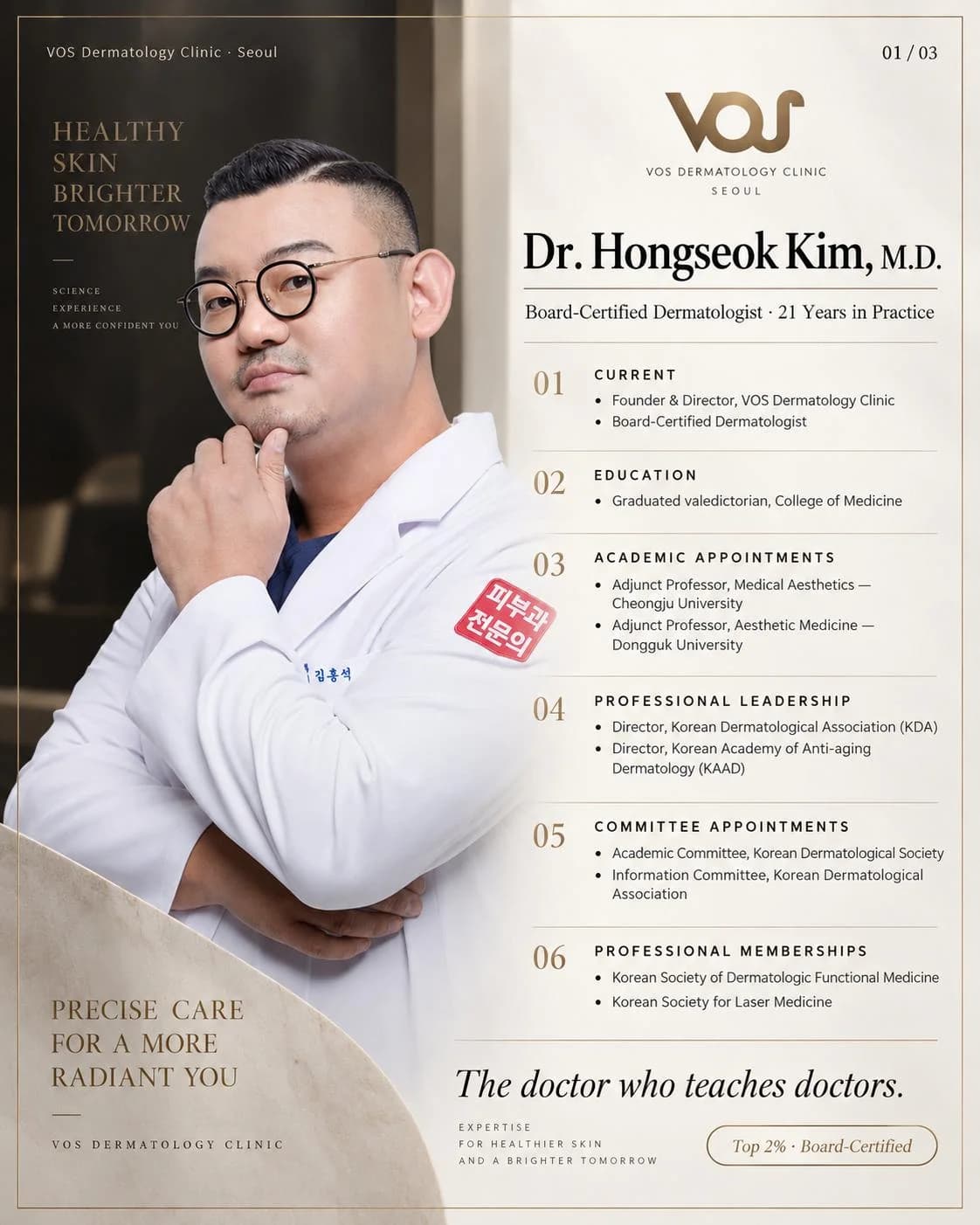
Is Oligio a laser?
No. A laser works with light, and its energy is absorbed by specific targets such as pigment, blood vessels or water. Oligio passes radiofrequency current through a tip that rests on the skin, and the tissue's own resistance turns that current into heat in the dermis.
That difference has two practical consequences. RF energy isn't aimed at pigment, so Oligio isn't a treatment for brown spots or melasma; if those are your main concern, that's a separate plan, which I walk through in how pigmentation treatment is planned. And because the heat sits below the surface, what you see on the day is modest: some redness, a little warmth, perhaps a feeling of firmness. There's no peeling surface to heal.
The US FDA's 510(k) database lists the original Oligio system, from Wontech Co., Ltd. in Korea, as cleared in October 2022 under the electrosurgical cutting and coagulation category, the regulatory family for devices that heat tissue with electrical current. That entry tells you how the device works. It isn't a measure of how much it tightens.
Does Oligio lift, or does it tighten?
In short, it tightens. On my price list, lifting and skin tightening are separate categories, and that split reflects how I read an aging face. Lifting is about support: Ultherapy PRIME, a micro-focused ultrasound device, targets the SMAS layer, the fibrous sheet beneath the fat that holds up the brow, jawline and lower face. Tightening is about the skin itself: its firmness, elasticity and density.
Oligio XM sits in the tightening group. The menu describes it as delivering RF energy to the deep dermis to improve elasticity, density and texture. So “Oligio lifting” is a loose label. If your jawline has dropped because the deeper support has slackened, heating the dermis alone won't put it back. If your skin looks thin, crepey and slightly slack while the contour is still roughly where it was, that's the problem RF tightening is built for.
Many faces have some of both, which is why lifting and tightening devices are often combined.
| Device on my menu | Energy | What it targets, per the menu |
|---|---|---|
| Oligio XM | Radiofrequency | Deep dermis: elasticity, density, texture |
| Thermage FLX | Monopolar radiofrequency | Skin firmness and facial contour definition |
| Ultherapy PRIME | Micro-focused ultrasound | SMAS layer: brow, jawline, lower face |
What the heat does in the skin, and when you'd notice it
Heated to the right range, collagen fibers in the dermis contract, which accounts for some of the firmness people feel in the first days. The larger part usually comes later. The controlled heat sets off a repair response, and new collagen is laid down gradually, typically over two to six months. That's why a tightening result is judged months after the session, not the evening after.
The menu description of Oligio XM adds two details that matter in practice: the treatment depth is adjusted, and cooling is built in to keep heat and irritation down. Skin over the cheekbone is thinner than skin along the jaw, and the two don't take heat the same way, so one setting for the whole face would make little sense. Sessions are counted in shots (the menu lists 300 and 600), and the count mostly reflects how much area is covered.
For a visitor, this timing cuts both ways. There's little to hide in the days after, which suits a short trip. But the change, if it comes, arrives after you're home, so you won't see the full result before your flight.
Worth knowing: The tip that touches your skin is a consumable part. Non-genuine tips are a recognized cause of side effects with energy devices, so asking whether the tip is genuine for that device is a safety question, not a fussy one.
Whose skin does Oligio suit?
Put simply, it suits skin that has started to loosen but still has its structure: early softening along the jaw, crepey texture on the cheeks or under the chin, fine laxity that foundation settles into. That often describes people from their late thirties into their fifties, though the skin itself matters more than the birth year.
It suits less well in three situations. Firm skin in the twenties has little laxity for heat to improve, and a session there tends to produce little you can see. Heavy sagging, with jowls and deep folds, usually means the support has dropped, and tightening alone tends to disappoint. And hollowness from volume loss needs a volume-restoring injectable, because heat can't add volume.
How tightening sits alongside injectables, skin boosters and daily care in a longer plan is something I set out in how I layer anti-aging treatments. If you've had RF or ultrasound treatments before, add the device names and roughly when to your WhatsApp message, since recent sessions change what's reasonable to repeat.

How I approach Oligio for a visitor to Seoul
Every plan I make starts with a skin analysis, and I choose the device or combination for your face rather than a package. The clinic has 3D skin analysis and 3D Meta-view imaging, which shows skin layers from several angles. What I'm trying to answer is which layer is the problem. If it's the skin, Oligio XM or Thermage FLX may be enough on its own. If the support has dropped, tightening becomes a second step after lifting.
And if your skin is still firm, I'll tell you that tightening has little to offer yet.
The clinic's three stated principles are the correct amount, genuine products and a specialist doing the work. For an energy device, the correct amount means energy and shot count set for the area in front of me, not the most the machine allows.
Practicalities matter on a short trip. The clinic is at 806 Eonju-ro, in front of Dosan Park, and it's closed on Wednesdays, Sundays and public holidays; Friday hours run until 20:00 and Saturday until 16:00. If heat on the face is what worries you, nitrous-oxide sedation is available here and has been used in more than 5,700 cases; whether it's worth it for an RF session is a sensible thing to ask.
If you'd like to know what my specialist title involves, I've explained what board certification means for a Korean dermatologist.
Doctor's note
Here's a rough mirror check I'd suggest before you write to me. Press your cheek gently upward with two fingers. If the thing that bothers you mostly disappears, the issue is support, and that points toward lifting. If the skin still looks thin and creased even when lifted, that's skin quality, and that's where Oligio earns its place. It isn't a diagnosis, but it gets the first conversation pointed in the right direction.
Risks and side effects to know
The common effects are temporary: redness and warmth for a few hours, and in some people mild swelling or tenderness for a day or two. During treatment the heat is felt as short, hot pulses; cooling reduces that but doesn't remove it.
Less common problems with RF tightening include small blisters or superficial burns, usually from too much energy concentrated in one spot, and, rarely, a small dent where fat under heavily treated skin has shrunk. Most surface burns heal, but they need proper wound care.
As general medicine, these are reasons to wait or skip RF tightening:
- pregnancy or breastfeeding
- a pacemaker, defibrillator or other implanted electronic device
- metal implants in the treatment area, or recent filler there (tell the doctor what and when)
- an active infection, cold sore or eczema flare where the device would go
- a recent course of isotretinoin, or a recent laser or peel on the same area
- a tendency to keloid scars
If something appears after you fly home, such as a blister, a patch that stays painful, or swelling that keeps growing, photograph it in daylight, send it on WhatsApp, and see a dermatologist locally if it's getting worse rather than waiting. The CDC's advice for people having procedures abroad includes arranging follow-up care at home before you travel and keeping copies of your treatment records, and that applies to an RF session too.
Results vary from person to person, and whether Oligio is right for you is decided at the in-person exam.

Which Oligio model is used here?
Oligio XM. Search results mix several Oligio model names, and the models aren't identical, so I can only speak to the one I use. If you're weighing Oligio Korea options across clinics, ask which model will be used on your face; that question applies anywhere, including here.
Hyperhidrosis botulinum toxin Korea: What to Look For in a Clinic go further into what usually comes next.
Before you message us
Three things make a first message useful: two daylight photos without makeup or filters (front and side), your age, and a list of any energy-based or injectable treatments from the past two years. Then add your one question, for example “is my problem skin quality or a dropped jawline?” Results vary from person to person. Send it all on WhatsApp, and you'll get an honest answer about what is realistic before you book.
See me explain it on video
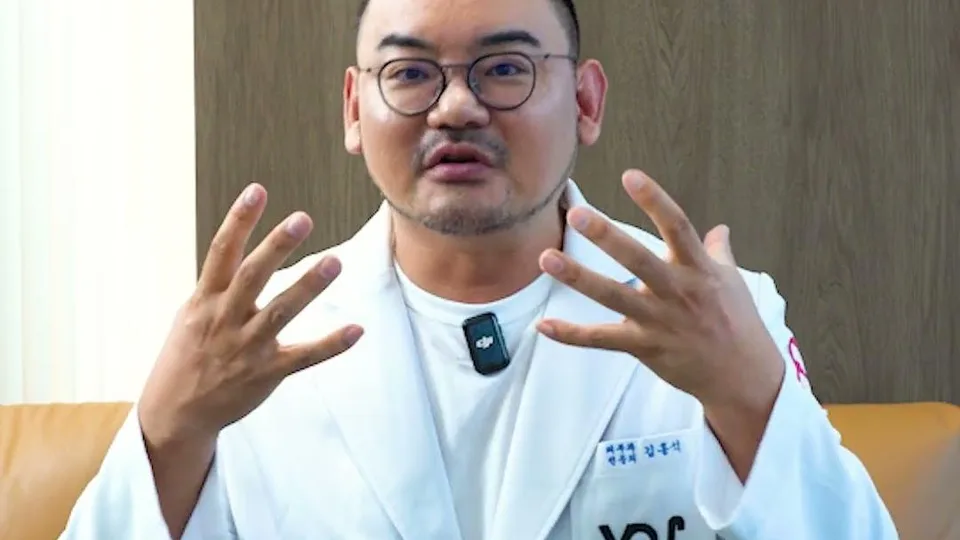
I answer the questions patients ask me on camera. The YouTube channel is in Korean with English titles; Instagram and TikTok are for international patients.

Questions readers ask about oligio korea
How long do Oligio results usually last?
Does Oligio hurt?
Can I fly home the day after an Oligio session?
Is Oligio the same as Thermage?
Can Oligio be combined with a skin booster on the same trip?
Results, timing and recovery vary from person to person. This article is general information from VOS Dermatology Clinic and does not replace an in-person consultation. Any prices mentioned are from the clinic’s official price list (KRW, before VAT) and may change.
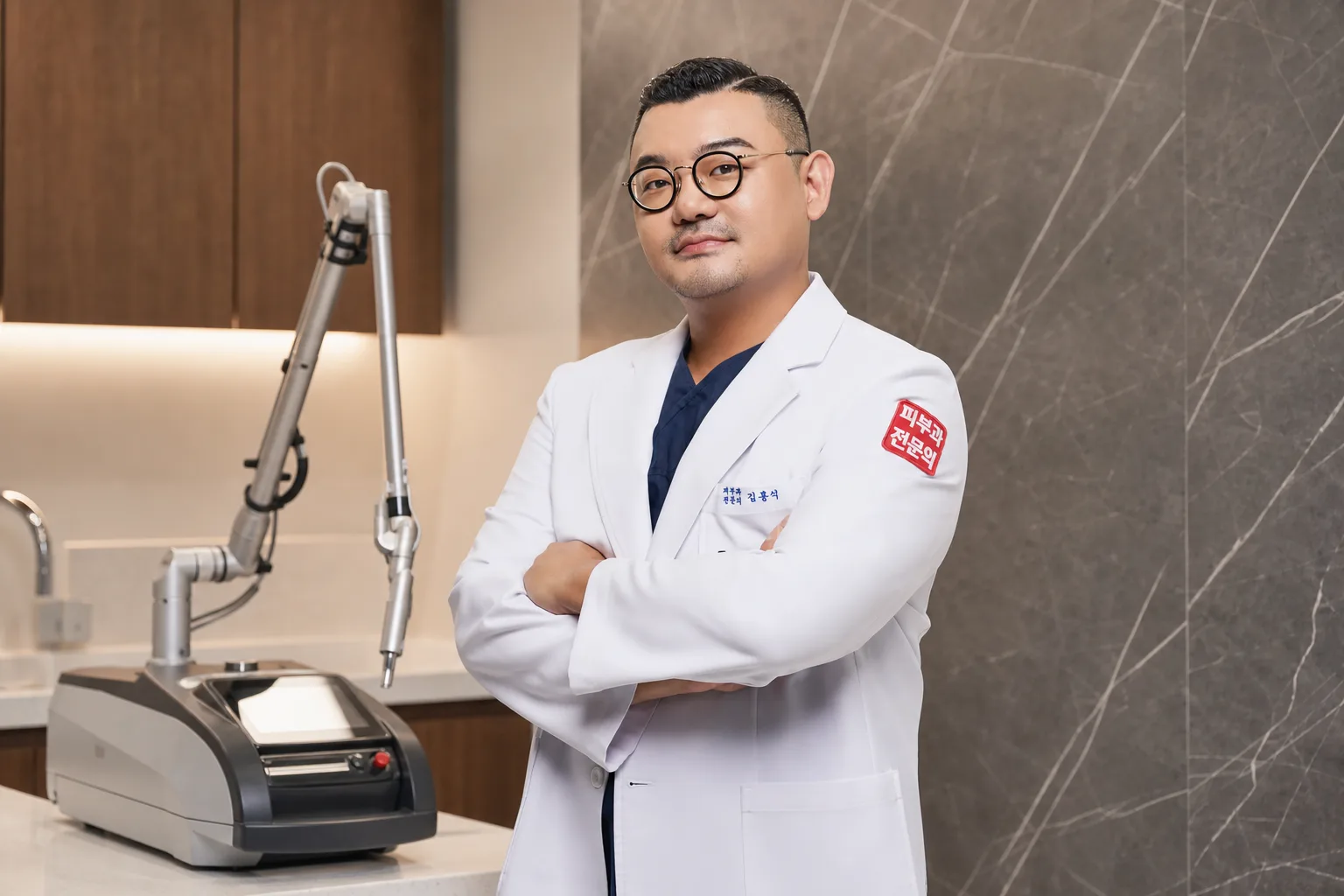
Korean Hyperpigmentation Treatment: Types and Safe Plans
Korean hyperpigmentation treatment explained: post-acne marks, sun spots, deeper pigment and why darker skin needs gentler plans — VOS Dermatology, Gangnam.
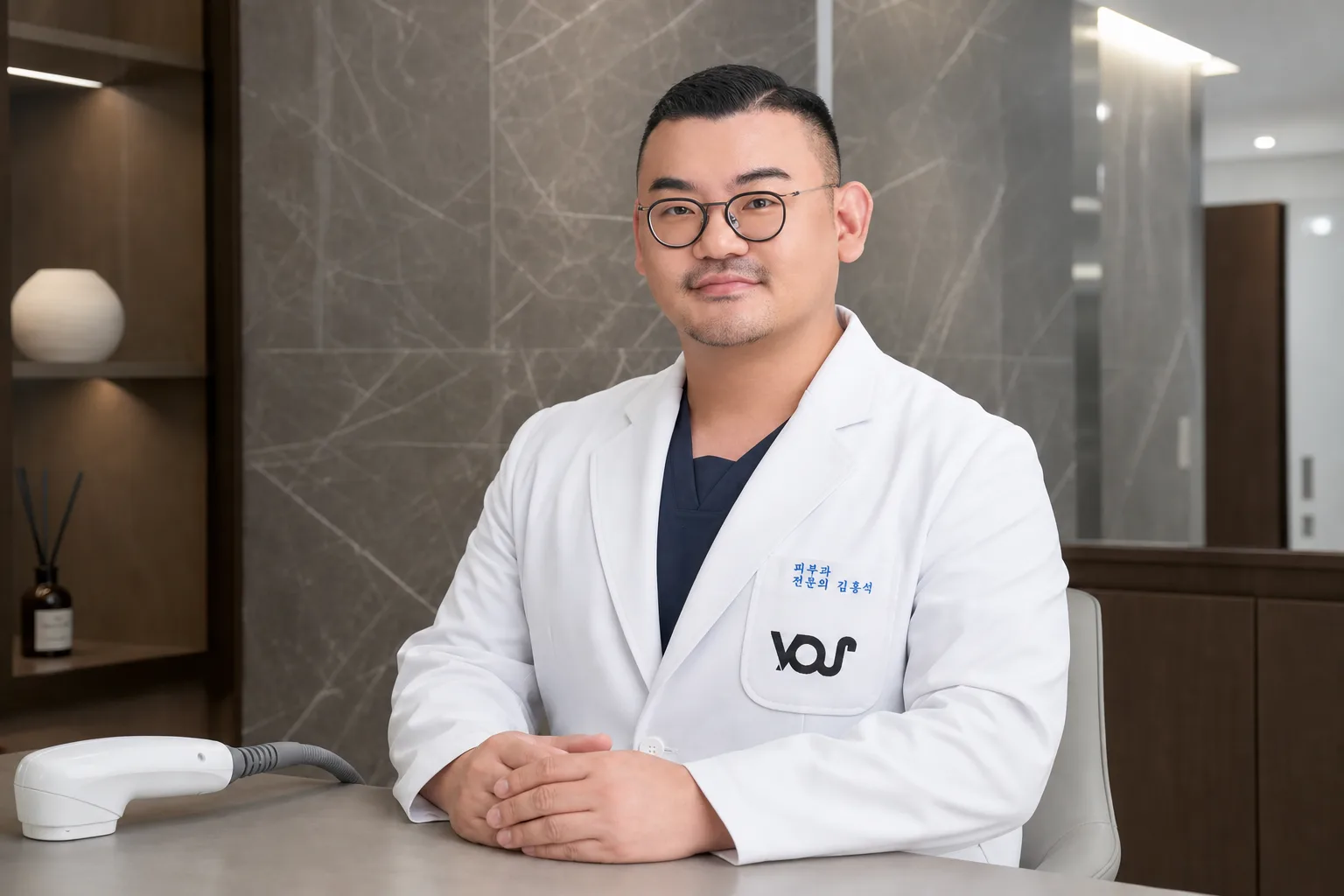
Korean Anti Aging: How a Dermatologist Layers Treatments
Korean anti aging, layer by layer: how I combine lifting devices, skin boosters and toxin, what each does, and listed prices. VOS Dermatology, Gangnam.
Korean Dermatologist: What Board Certification Means
Korean dermatologist guide: what board certification means in Korea, how to check who treats you and what to ask before booking — VOS Dermatology, Gangnam.