
Korean with acne in Seoul: when clinic treatment should wait
Searching korean with acne care? A Seoul dermatologist on HydraFacial and Opus risks, and cases where treatment should wait. VOS Dermatology, Gangnam.

If you searched “korean with acne” hoping a Seoul dermatologist can help your breakouts during a trip, the answer is yes for most active acne, and no for a short list of skins I would rather not treat on a short stay. The worry visitors raise most is what happens after the flight home, when the skin reacts and the clinic is no longer down the street. Recent isotretinoin, painful cystic flares, pregnancy and a fresh sunburn are the main reasons to postpone.
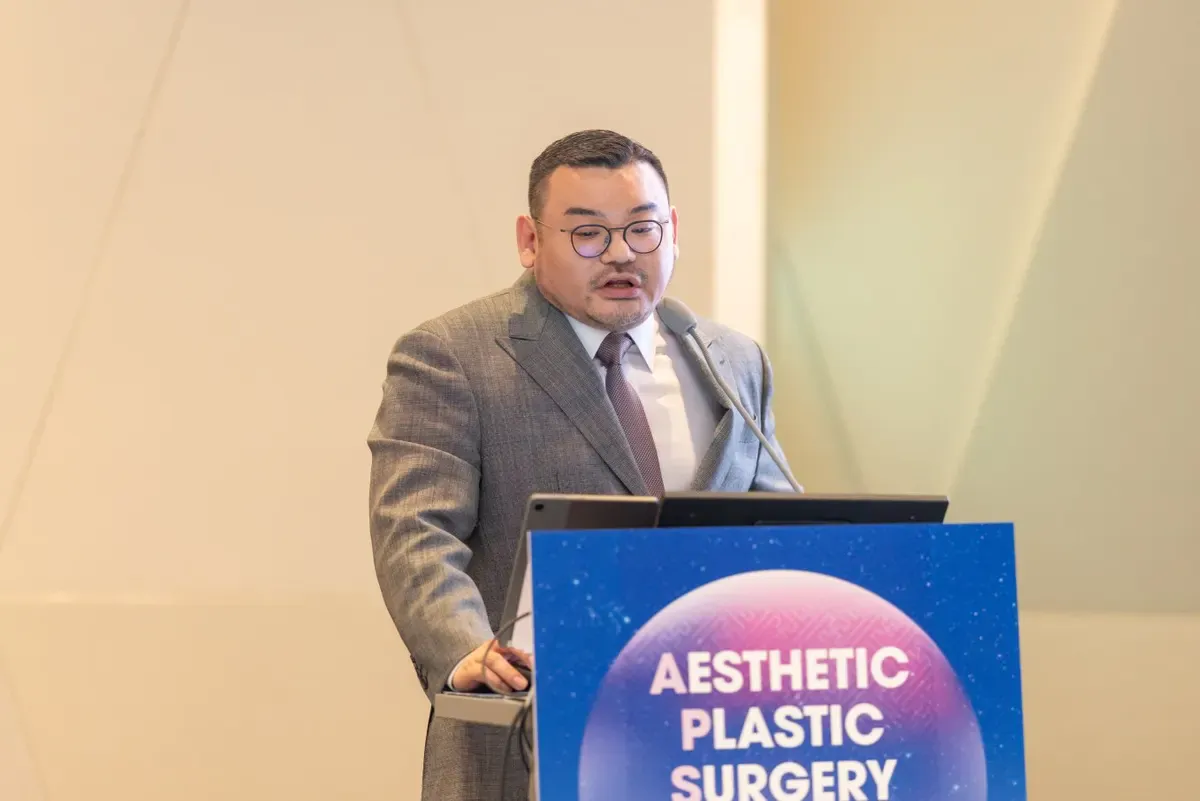
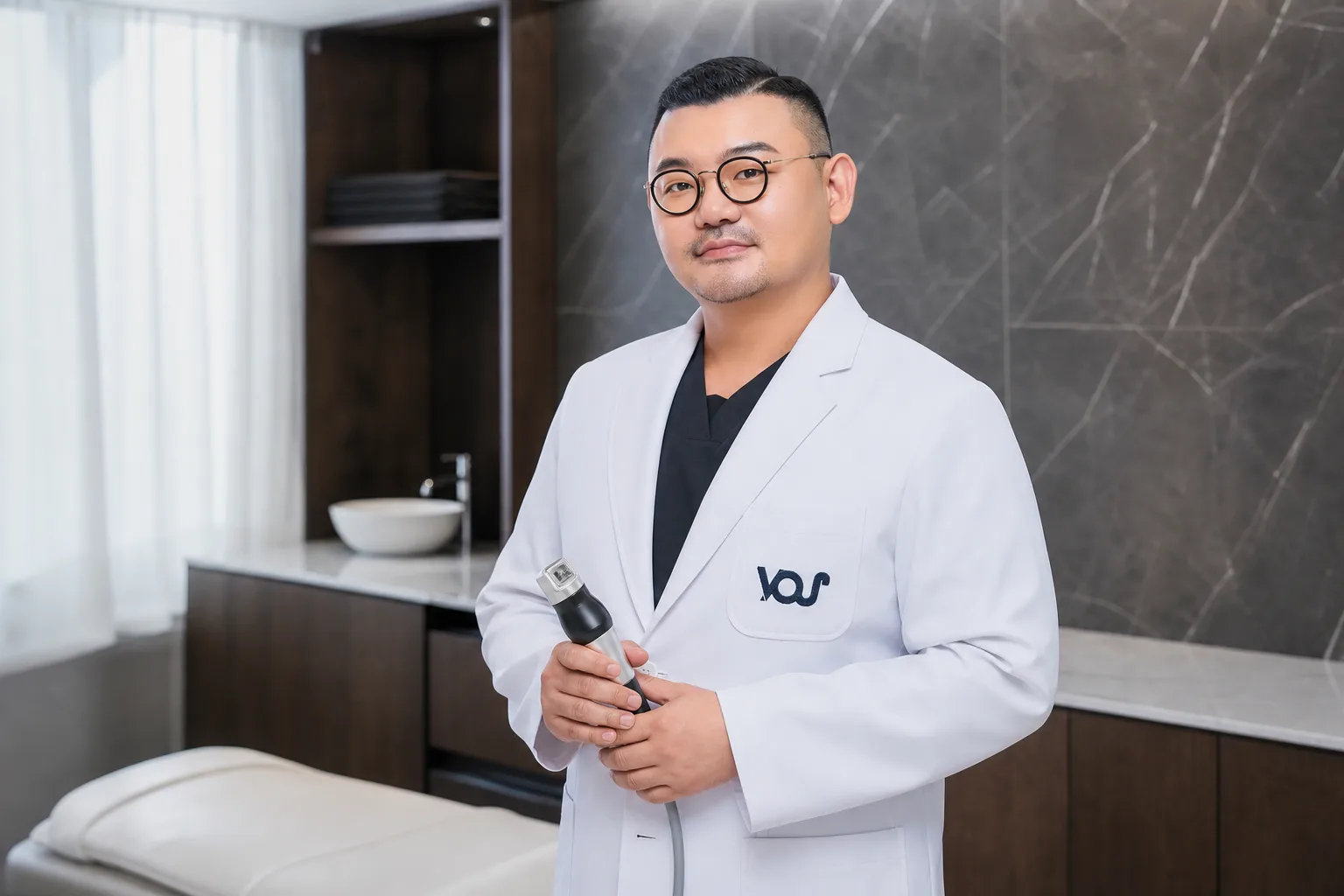
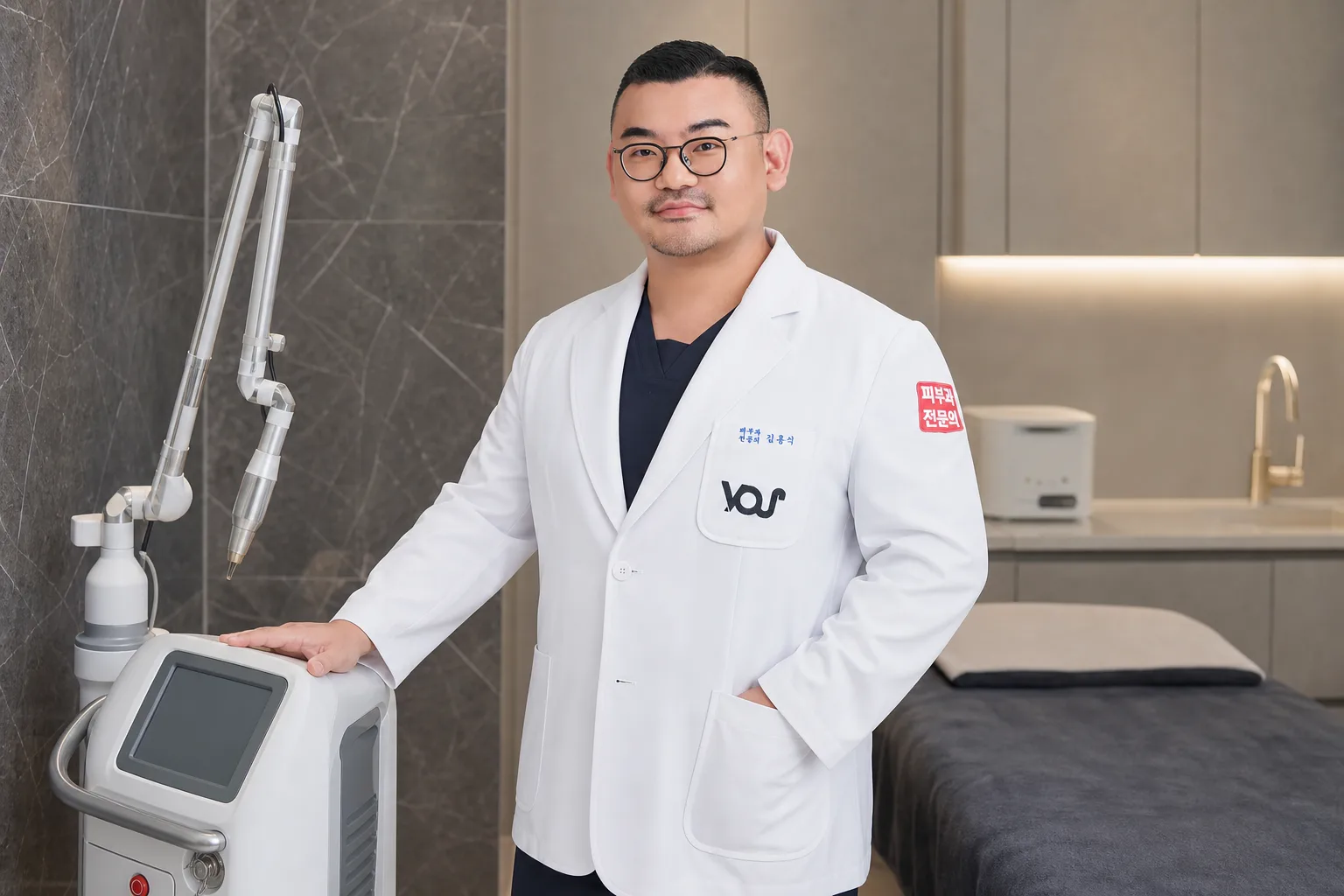
I'm Dr. Hongseok Kim, a board-certified dermatologist with 21 years of experience, and I personally handle every consultation and procedure at VOS Dermatology Clinic in Gangnam; I wrote this because acne is where squeezing a plan into a few days can backfire.
For most people the visit covers a skin analysis and one or more of three treatments: HydraFacial for congested skin, Opus for inflammatory acne and rough texture, or Mirajet for depressed scars. None of them replaces the daily treatment at home that the American Academy of Dermatology treats as the core of acne care. What a visit can do is bring inflammation down, set a direction and show you which scar work is worth planning for a later trip.
If you're weighing a trip, send one daylight photo of the areas that break out on WhatsApp, together with a list of everything you've used on your skin or taken for acne in the past six months.
Send a skin photo on WhatsApp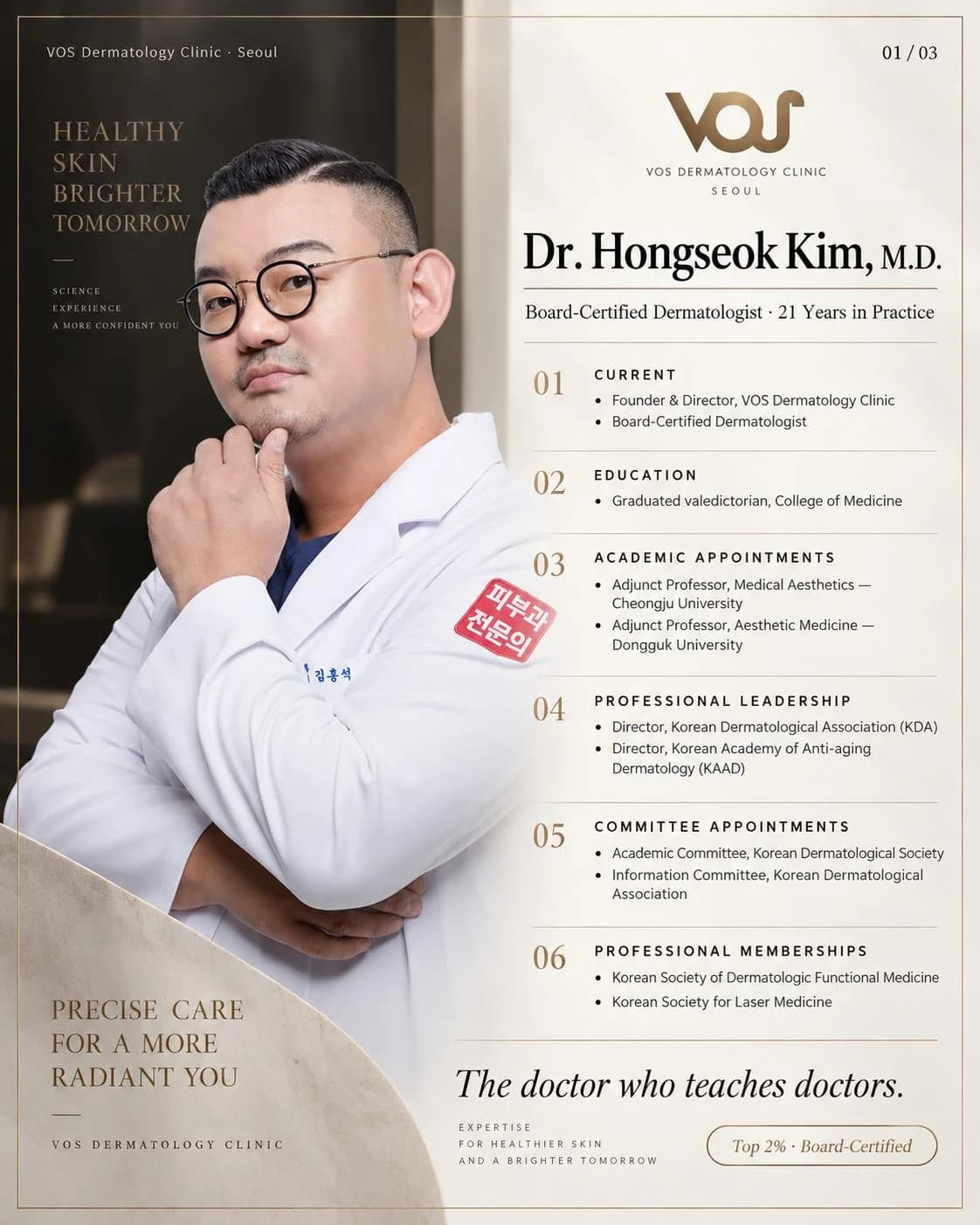
What a clinic visit in Seoul can and can't do for acne
A few days in Seoul can calm active breakouts, clear congestion and start scar remodeling. It can't switch acne off. Acne treatment takes weeks to months to show its effect, so the routine you fly home with carries the result once the visit ends.
Here is what each treatment does, based on our own clinic notes:
- HydraFacial removes impurities, exfoliates and hydrates without needles. It takes about 30 minutes and there's no downtime; you go back to normal activities straight away. Note that it was a series of sessions in a small group of patients.
- Opus combines fractional plasma energy on the surface with radiofrequency underneath, in one pass. It is aimed at inflammatory acne, acne scars, enlarged pores and fine lines. Redness, swelling or tiny scabs can follow and usually clear within days, while the change in texture keeps building over 2–3 months as collagen rebuilds.
- Mirajet delivers hyaluronic acid, vitamins and growth-factor solutions into the dermis with a needle-free micro-jet. Mild redness usually settles within hours to a day.
Each treatment page has the details: how Opus works on texture and inflammatory acne, Mirajet for scars and needle-shy patients and HydraFacial within the Better Body Fit menu. If you want to know what fits into one appointment, I covered what a single acne visit can realistically do.
Which side effects are common, and which are rare?
Redness, warmth and short-lived scabbing are common and expected. A few new spots in the first days happen in some people. Dark marks where pimples healed are less common after a procedure but last the longest.
| What you notice | Usual timing | What it means |
|---|---|---|
| Redness after HydraFacial or Mirajet | Hours to about a day | Expected |
| Stinging or heat during Opus | During treatment, after numbing cream | Expected |
| Redness, swelling, tiny scabs after Opus | Usually clears within days | Expected; let scabs fall off on their own |
| A few new pimples | First days after treatment | Can happen; mention it if it keeps going |
| Brown or dark marks (PIH) | Can last months | More likely with sun and darker skin |
| Spreading pain, pus, fever | Any time | Not expected; see a doctor that day |
The row that deserves the most attention is the dark marks. DermNet describes post-inflammatory hyperpigmentation as more frequent and more persistent in people with darker skin, and notes that sun exposure makes it worse. It often fades slowly over months. That is why sunburn and picking matter so much in the days after a procedure. Fading leftover marks is a separate plan, which I explain in what brightening treatments can and can't do.
Who should wait before acne treatment in Seoul?
Wait if you've taken isotretinoin recently, if most of your acne right now is deep and painful, if you're pregnant, if your face is sunburned, or if what looks like acne could be rosacea. In each case the procedure either adds risk or treats the wrong problem. The final call on any of these is made in person after the skin analysis.
Recent isotretinoin. Isotretinoin changes how facial skin heals. Bring the start and stop dates; the generic name on the box is enough.
Deep cysts and nodules in an active flare. Painful lumps under the skin usually call for prescription treatment from a doctor who can follow you for months, which is also where the AAD points people with severe acne. A procedure on top of an active cystic flare can add irritation without changing its course. Once a flare like that is under medical control, a Seoul visit for marks and scars makes far more sense.
If you're pregnant or planning to be soon, say so before anything is booked.
A sunburn, or a beach week next. Opus aftercare means strict sunscreen and sun avoidance for 3–5 days. Reorder the trip so the beach comes first.
Redness that may be rosacea. Rosacea can produce bumps that look like acne, and some acne treatments irritate it. If your face flushes easily and stings with products, read how redness and rosacea are handled before assuming it's acne.
Worth knowing: Before any acne consultation, write down every product and medicine you've used on your skin or taken for it in the last six months, including antibiotics and hormonal treatments from home. Active ingredient names change the plan; brand names rarely do.
What if my skin reacts after I fly home?
Most reactions after these treatments are the expected kind: redness, small scabs, a few new spots, settling within days. Anything that spreads, hurts more each day, oozes or comes with a fever means a same-day visit to a doctor where you are.
A few habits make that easier. Take a daylight photo on day 1, day 3 and day 7, so any doctor can see the trend instead of a single snapshot. Keep the names of what was applied and the aftercare instructions with you, so a local dermatologist can read them in a minute. Don't start a new active product the week you fly; if the skin reacts, you want one suspect.
Cabin air is dry, so a plain moisturizer and sunscreen in your carry-on matter more than any serum on the flight.
The gap between the last treatment and the flight is the part people most want to settle first.
Send a skin photo on WhatsApp
Can I go to a jjimjilbang or sauna after acne treatment?
Opus aftercare asks you to avoid saunas and intense exercise for 3–5 days, and heat plus shared water is a poor match for open scabs or freshly picked spots. If a bathhouse is on your list, go before the treatment day.
The same logic covers hot yoga and long runs in summer humidity. Sweat and friction on fresh scabs slow healing and raise the chance of dark marks, so put the active plans at the start of the trip and the treatment toward the middle.
How I approach a visitor with acne and only a few days
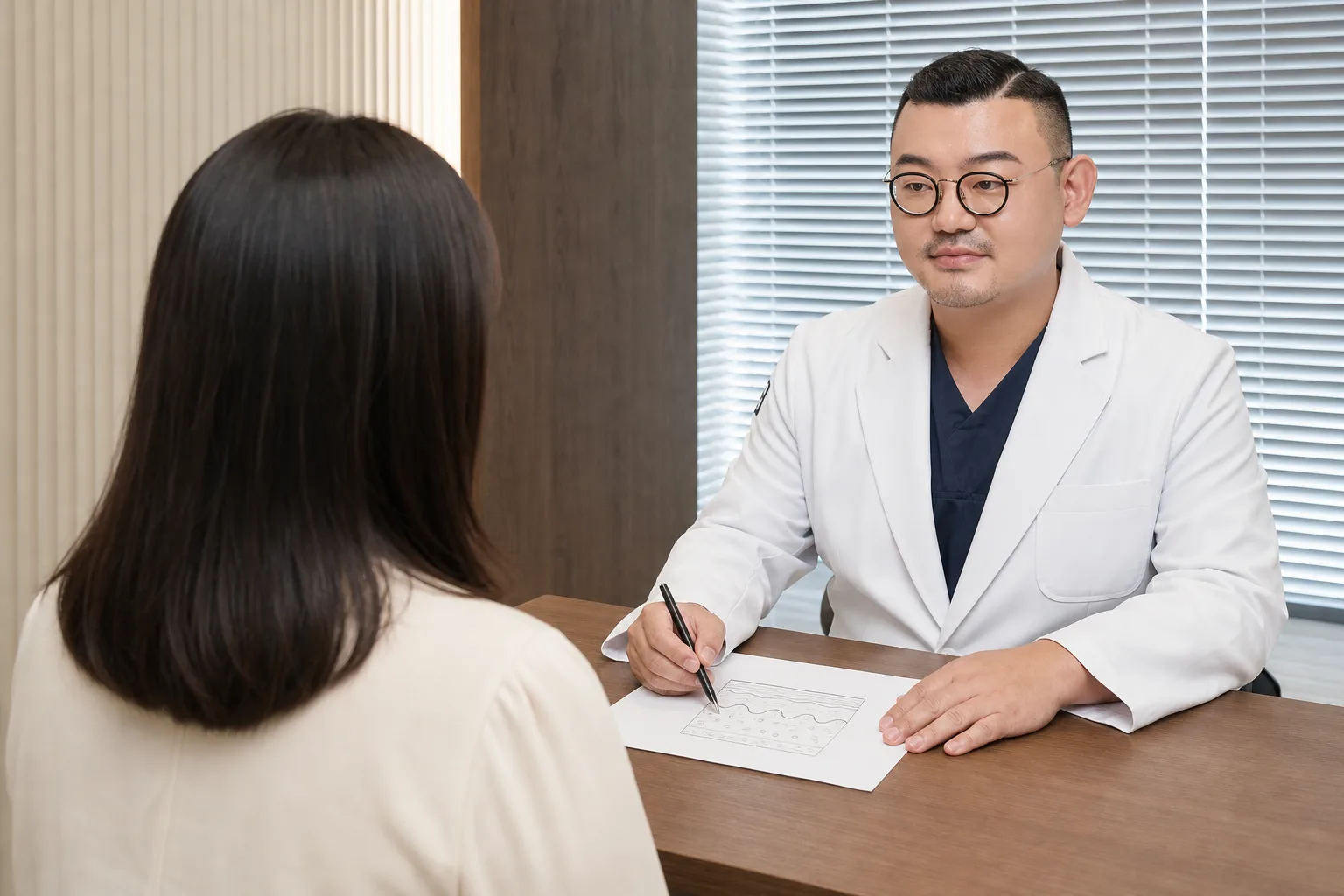
The first question is whether your acne is inflamed right now or mostly leftover marks and scars, because that decides between calming the skin and remodeling it. I perform every procedure myself, so the person who reads your skin is the same person who treats it.
When scars and loss of elasticity overlap, Opus can be paired with Mirajet or a skin booster. When inflammation is the main problem, a gentler step such as HydraFacial, plus a clear home routine, is often the more reasonable first visit. The plan that fits a five-day trip is usually smaller than the plan that fits the skin, and I would rather say that in the consultation room than have you find out on the flight home.
Some people come in wanting glow more than clearer skin. That's a fair goal and a different plan; glow that shows the same day versus glow that builds explains the split. On hygiene, the clinic uses disposables strictly and sterilizes instruments with autoclave and UV equipment, which matters more when skin has open lesions.

Korean skincare for acne: where products stop
Korean skincare for acne relies on the same active ingredients as skincare anywhere: salicylic acid, benzoyl peroxide, adapalene, azelaic acid. Gentle cleansers and light moisturizers help those ingredients work with less irritation. Many people searching korean with acne advice start with products, and that's a reasonable first step.
The point to stop is when two or three months of consistent use haven't changed much, when lumps are deep and painful, or when every pimple leaves a mark. The AAD's guidance is to see a dermatologist when acne isn't responding or is leaving scars and dark spots. Exfoliators sold for acne scars can smooth the surface, but depressed scars sit in the dermis, which is the layer Opus and Mirajet work on. Scrubbing inflamed skin harder tends to make both redness and marks worse.

Before you message us
Send a daylight photo without makeup and your travel dates, including the flight home, on WhatsApp. Add your list of recent acne medicines if you have it.
Results vary from person to person, and acne in particular changes with season, stress and hormones. VOS Dermatology Clinic is at 806 Eonju-ro, Gangnam-gu, in front of Dosan Park, an 11-minute walk from Gangnam-gu Office Station (Line 7, Exit 3). Hours are Monday, Tuesday and Thursday 10:00–19:00, Friday 10:00–20:00 and Saturday 10:00–16:00, and the clinic is closed on Wednesdays, Sundays and public holidays.
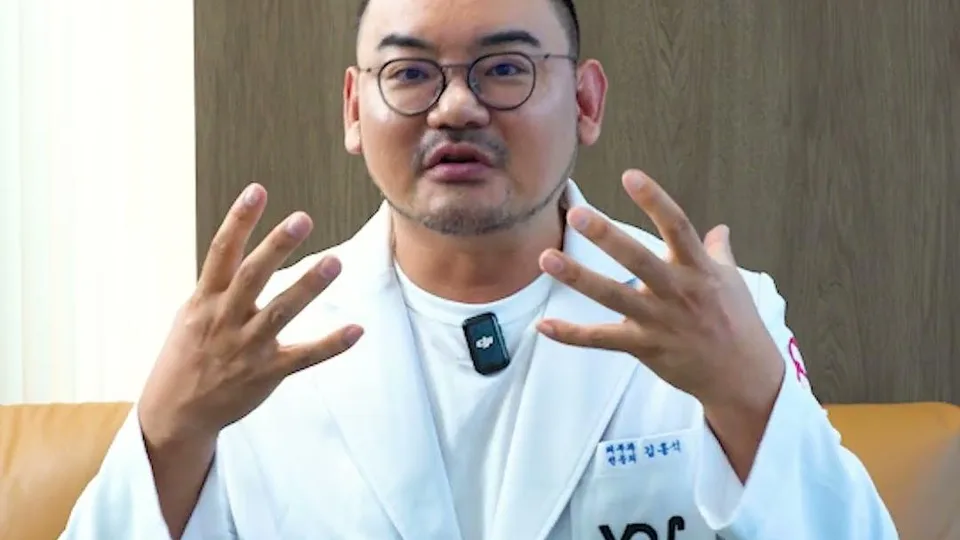
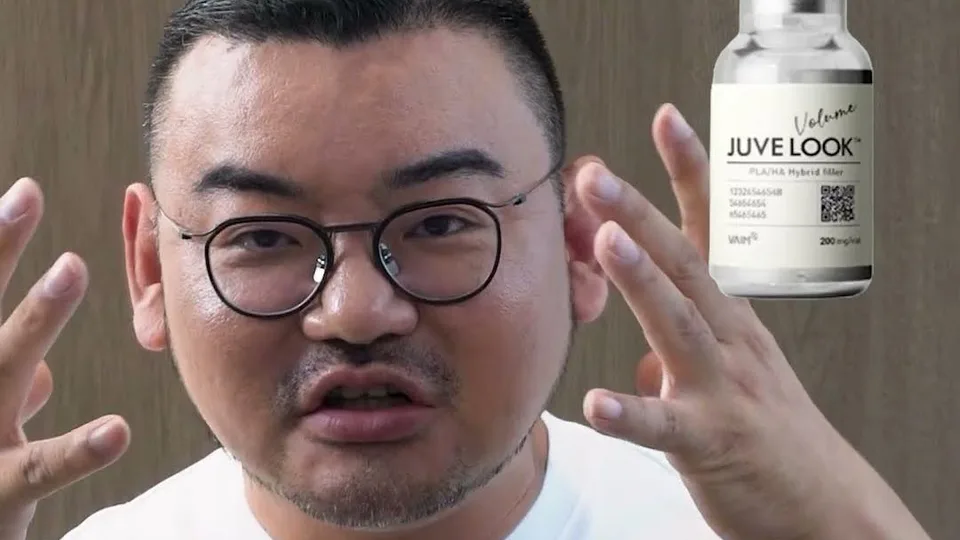
See me explain it on video
I answer the questions patients ask me on camera. The YouTube channel is in Korean with English titles; Instagram and TikTok are for international patients.

Questions readers ask about korean with acne
Is HydraFacial safe if I have active acne?
Does Opus hurt?
Can I treat active acne and acne scars on the same trip?
Is VOS Dermatology open on Wednesdays and Sundays?
Do Korean acne products work differently from products at home?
Results, timing and recovery vary from person to person. This article is general information from VOS Dermatology Clinic and does not replace an in-person consultation. Any prices mentioned are from the clinic’s official price list (KRW, before VAT) and may change.
One Day Acne Treatment in Korea: What a Single Visit Can Do
One day acne treatment in Korea: what fits in a single visit, a same-day schedule, downtime before a flight and listed prices — VOS Dermatology, Gangnam.
Korean Skin Whitening Treatment: What Brightening Can Do
Korean skin whitening treatment, honestly: what lasers can and cannot change about tone, which pigment responds and listed prices — VOS Dermatology, Gangnam.
Korean Rosacea Treatment: What Helps Redness in Seoul
Korean rosacea treatment explained: types, triggers, creams, vascular lasers and what one trip can realistically do for redness — VOS Dermatology, Gangnam.