
Should a Korean Skin Clinic Treat You This Trip? Not Always
Before you book a Korean skin clinic, check five things that can turn a treatment into 'not this trip'. A dermatologist explains. VOS Dermatology, Gangnam

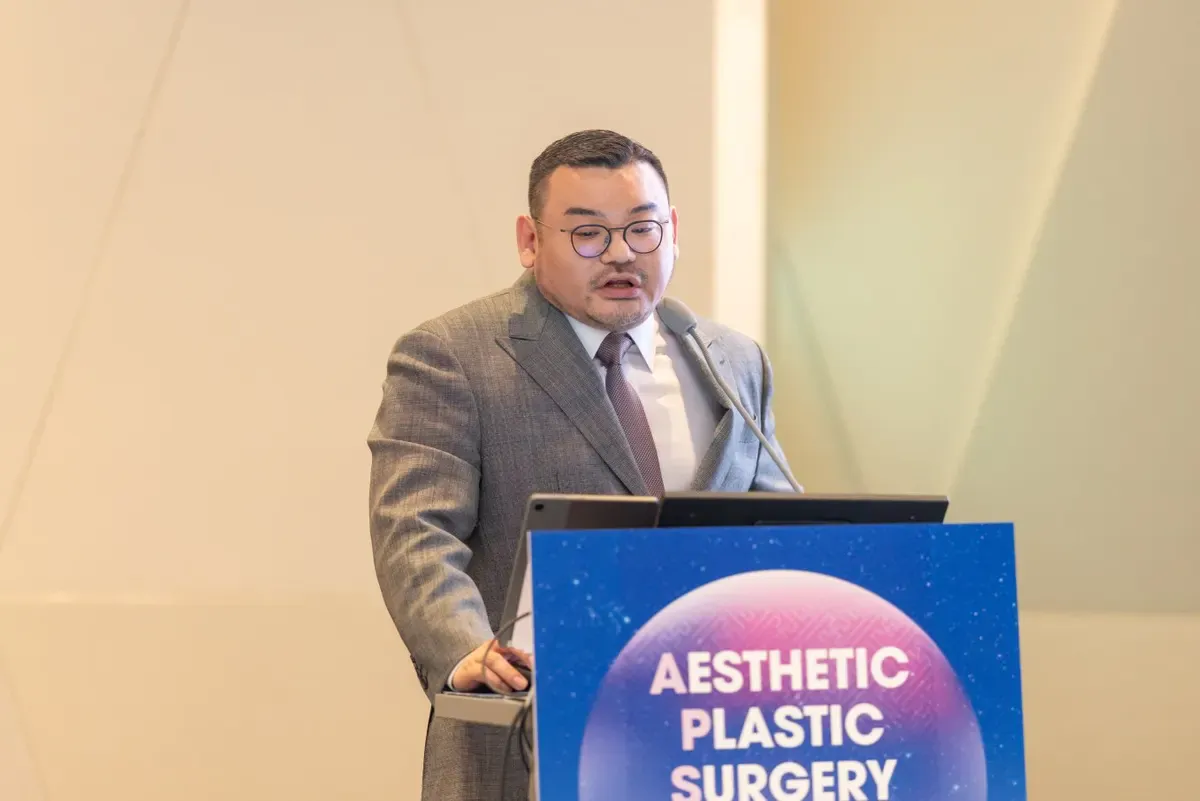
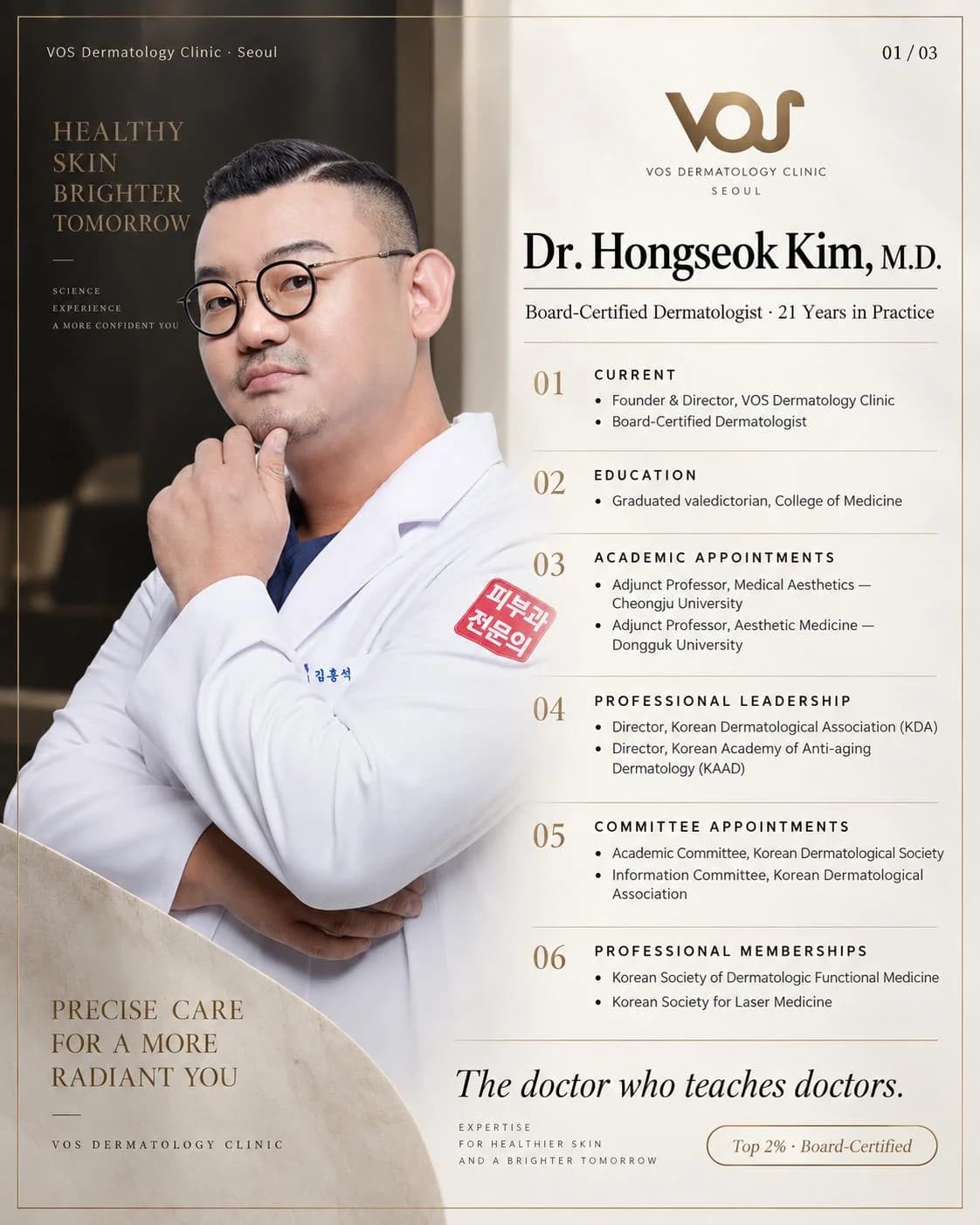
I'm Dr. Hongseok Kim, a board-certified dermatologist with 21 years in practice. At VOS Dermatology Clinic in Gangnam I see every patient from the first consultation through the procedure myself, so I'm also the one who has to say "not yet" when that's the right answer. I'm writing this because most visitors who look up a Korean skin clinic plan everything around a return flight, and no treatment menu tells you when to wait.
A visit to a Korean skin clinic usually means a consultation with a dermatologist, a skin analysis, and often a procedure within the same week. At VOS the consultation room is on the second floor and the laser room on the third, so the whole sequence can happen in one building in front of Dosan Park. What menus leave out is when that same-week procedure should wait. Before you book anything, check five things:
- Your skin is calm at the spots you want treated: no infection, no flaring cysts, no open sores.
- You're not pregnant or breastfeeding, if fillers are on your list.
- You haven't tanned or burned in the past few weeks, if lasers are on your list.
- You have several days between treatment and your flight or your next big event.
- The treatment you want doesn't need a course of sessions spaced a month apart.
If one of these is a no, the trip can still be useful, with a different plan. You can see the clinic's main pages on VOS Dermatology's English site.
What fits into one trip, and what doesn't
How a treatment builds matters more than which device it uses. A single-session treatment can fit a short stay if you leave a few quiet days afterwards (Opus guidance, for example, asks you to avoid saunas and intense exercise for 3–5 days); courses spaced a month apart don't, unless you plan to come back.
| Treatment type at VOS | How it usually works | Fits a short trip? |
|---|---|---|
| Ultrasound or RF tightening (Ultherapy PRIME, Sofwave, Thermage FLX) | One session; firmness develops over the following months as collagen rebuilds | Usually, if the skin is calm |
| Opus | One session; avoid saunas and intense exercise for 3–5 days | Yes, with a few days of buffer |
| Rejuran | Three sessions at one-month intervals | Only the first session, unless you return |
| Fotona Nd:YAG for melasma and freckles | Multiple sessions are recommended | A start, not a finish |
| Fillers and botulinum toxin | Single visit; bruising and swelling are possible | Yes, with time for bruises to settle |
The pigmentation row surprises people the most. Melasma in particular tends to come back, which is why a single laser session in Seoul is better thought of as the first step of a plan your doctor at home can continue. If tightening is your main goal, I compare the devices in this look at Korean skin tightening options.
When a dermatologist should say no outright
Say no when the treatment could make an existing problem worse, or when safety hasn't been established for your situation. A few conditions fall into that group regardless of how far you travelled. The U.S. FDA's patient page on dermal fillers is a useful reference for injections; the reasoning beyond fillers is mine.
- Active infection or inflammation where you want treatment. The FDA says filler injection should be delayed until an inflammatory condition has been managed. On a laser or energy device, I look for the same thing: pustules, weeping patches or broken skin in the treatment zone mean that zone waits.
- Pregnancy and breastfeeding, for fillers. The FDA notes that filler safety is unknown here. Since everything on this site is elective, I see no reason to test it.
- A strong tendency to scar. The FDA lists filler safety as unknown in people prone to excessive scarring. Before fractional lasers or needling, I ask about raised scars from ear piercings, old cuts or acne, and look at any you can show me, because those tell me more than a yes-or-no answer.
- Severe allergies or a history of anaphylaxis. Rejuran HB+ contains lidocaine, for example, so a lidocaine allergy changes which product is even on the table.

Which situations mean "not this trip"?
A fresh tan before a pigment laser, a cyst flare on the week you land, an important event within a few days of injections, and a course of sessions you can't come back to finish. Each of these is temporary, which is why the answer is "later" rather than "never".
The tan matters because pigment lasers aim at melanin. Extra pigment in the upper skin from recent sun means more energy is absorbed where you don't want it, which raises the chance of burns or of darker patches after inflammation, especially in skin that already tans easily. A beach week right before Seoul is a poor setup for a laser appointment.
The event problem is simpler. The FDA lists bruising, redness and swelling among the common effects of filler injections, and Opus can leave temporary redness or tiny scabs that usually clear within days. If you're attending a wedding or presenting at a conference two days later, a treatment that needs a few quiet days is the wrong treatment for this trip, even if it suits your skin.
Then there is the calendar. VOS is closed on Wednesdays, Sundays and public holidays, so a Saturday treatment and a Sunday flight leaves no day for a check in Seoul if something looks off.
Worth knowing: If your only open days in Seoul fall on a Wednesday or Sunday, plan the trip around the clinic's hours first. The clinic is open Monday, Tuesday and Thursday 10:00–19:00, Friday 10:00–20:00 and Saturday 10:00–16:00, with a 13:00–14:00 lunch break on weekdays and no lunch break on Saturday.
Conditions that change the plan rather than cancel it
Some situations sit in the middle. They don't rule you out; they change which treatment, which settings, or what you need to bring.
Isotretinoin, now or recently. For years the advice was to wait months after acne pills before any procedure. A consensus panel published in JAMA Dermatology in 2017, summarised by MDedge Dermatology News, found the evidence did not support postponing superficial chemical peels, laser hair removal, minor skin surgery or fractional laser procedures in people recently or currently taking isotretinoin.
The same panel did not find support for fully ablative laser resurfacing or mechanical dermabrasion in that group. So it narrows the options rather than closing them, and it is a medication your doctor needs to hear about.
Blood thinners or a bleeding disorder. On its filler page, the FDA lists bleeding disorders among the conditions in which filler safety has not been established, so for some people this moves fillers from "adjust the plan" to "not suitable". With blood thinners, more bruising is likely, and an event soon after treatment matters more. Don't stop a prescribed medication on your own to make a trip work; that decision belongs with the doctor who prescribed it.
Cold sores around the mouth. Lasers and some injections near the lips can trigger an outbreak in people who get them. That's a reason to plan ahead with your doctor, not a reason to skip treatment entirely.
If you mainly want small-dose toxin for oil and pores, the trade-offs are different again; I cover them in the micro toxin post for pores and jawline.

How I approach a first consultation with a visitor
At VOS the consultation is one-to-one and based on skin analysis, including 3D skin analysis, and I perform the procedures myself. That matters for this topic: the person who says yes is the person who holds the device, so the decision can't be handed off.
If discomfort is part of your hesitation, mention it: the clinic has records of over 5,700 cases of nitrous oxide sedation, and whether it suits you is part of the same conversation.
What decides "now or later" is rarely the treatment you came for. It's a handful of readings:
- Redness: is it active inflammation that needs calming, or fixed vessels that a vascular approach would address? The first is a reason to wait; the second is a different plan.
- Pigment depth and pattern: freckles and sun spots behave differently from melasma, which can darken if pushed too hard.
- Laxity versus volume loss: tightening devices work on firmness. If the main change is lost volume, a device alone won't answer the question you're asking the mirror.
- Your dates: the day you land, the day you fly, and anything on your calendar in between.
Doctor's note
Telling someone who flew in for a treatment that the better choice is to wait is not a comfortable conversation, for them or for me. I would still rather have it in the consultation room than treat skin that isn't ready and send them home to deal with the result alone. When I say "not this trip", I try to say what would need to change first.
If the first session of something like Rejuran is all your schedule allows, that can still be a reasonable start, as long as you know the course is designed as three sessions a month apart.
Want a personal answer? Message us on WhatsApp — we reply in English.
Send a skin photo, your medication list and travel dates on WhatsApp
Questions to bring to any consultation
Medications, pregnancy, scarring and your flight date are the questions that decide safety, so make sure each one has been covered before treatment starts. If nobody asks, bring them up yourself.
The FDA's filler guidance adds a fair list: ask about the provider's training and experience with injections in the face, ask about the injection sites and the risks at each one, and ask to read the patient labeling for the specific product. It also warns against buying filler products online, since they could be counterfeit.
A plan built around one trip should also say what happens after you leave. If you're new to clinics in Seoul, my visitor's plan for foreigners walks through the practical side of the stay.

The risks of treating anyway
Most effects are short-lived; a few are serious. For fillers, the FDA lists bruising, redness, swelling, pain, tenderness, itching and rash as common, nodules, granulomas and infection as less common, and unintentional injection into a blood vessel as the most concerning risk, with reported complications including tissue death, vision problems including blindness, and stroke.
The FDA's advice is to seek immediate medical attention for unusual pain, vision changes, or skin that turns white, gray or blue near the injection site. That's one more reason not to treat on the morning of a long-haul flight; for anyone flying out soon after injections, I would rather they knew those three warning signs by heart.
For lasers on skin that isn't ready, the realistic risks are burns and patches of darker or lighter pigment that can take months to settle. For Opus, the clinic's own guidance mentions slight stinging or heat during treatment and temporary redness, swelling or tiny scabs afterwards. Whether any of this happens to you depends on your skin type, the settings, and how closely you follow aftercare, which is exactly why suitability is decided in person.

Before you message us
If you're not sure which side of the line you're on, send three things on WhatsApp at https://wa.me/821096974628: a daylight photo of the area without makeup, a list of the medications you take (including any acne pills in the past year), and your travel dates.
Your photo, medications and dates help show before you fly whether a consultation is likely to end in "not this trip".
A WhatsApp message is a starting point, not a diagnosis: everyone's skin responds differently, results and recovery vary from person to person, and whether a treatment suits you is confirmed only at the in-person examination.
See me explain it on video
I answer the questions patients ask me on camera. The YouTube channel is in Korean with English titles; Instagram and TikTok are for international patients.
Questions readers ask about korean skin clinic
Can I have a laser treatment in Korea if I'm still tanned from a holiday?
Is it okay to fly home the day after a skin treatment in Seoul?
Can I start Rejuran in Seoul and continue it back home?
I take isotretinoin. Do I need to cancel my trip to a Korean skin clinic?
What should I bring to a first consultation at a skin clinic in Korea?
Results, timing and recovery vary from person to person. This article is general information from VOS Dermatology Clinic and does not replace an in-person consultation. Any prices mentioned are from the clinic’s official price list (KRW, before VAT) and may change.
Related articles
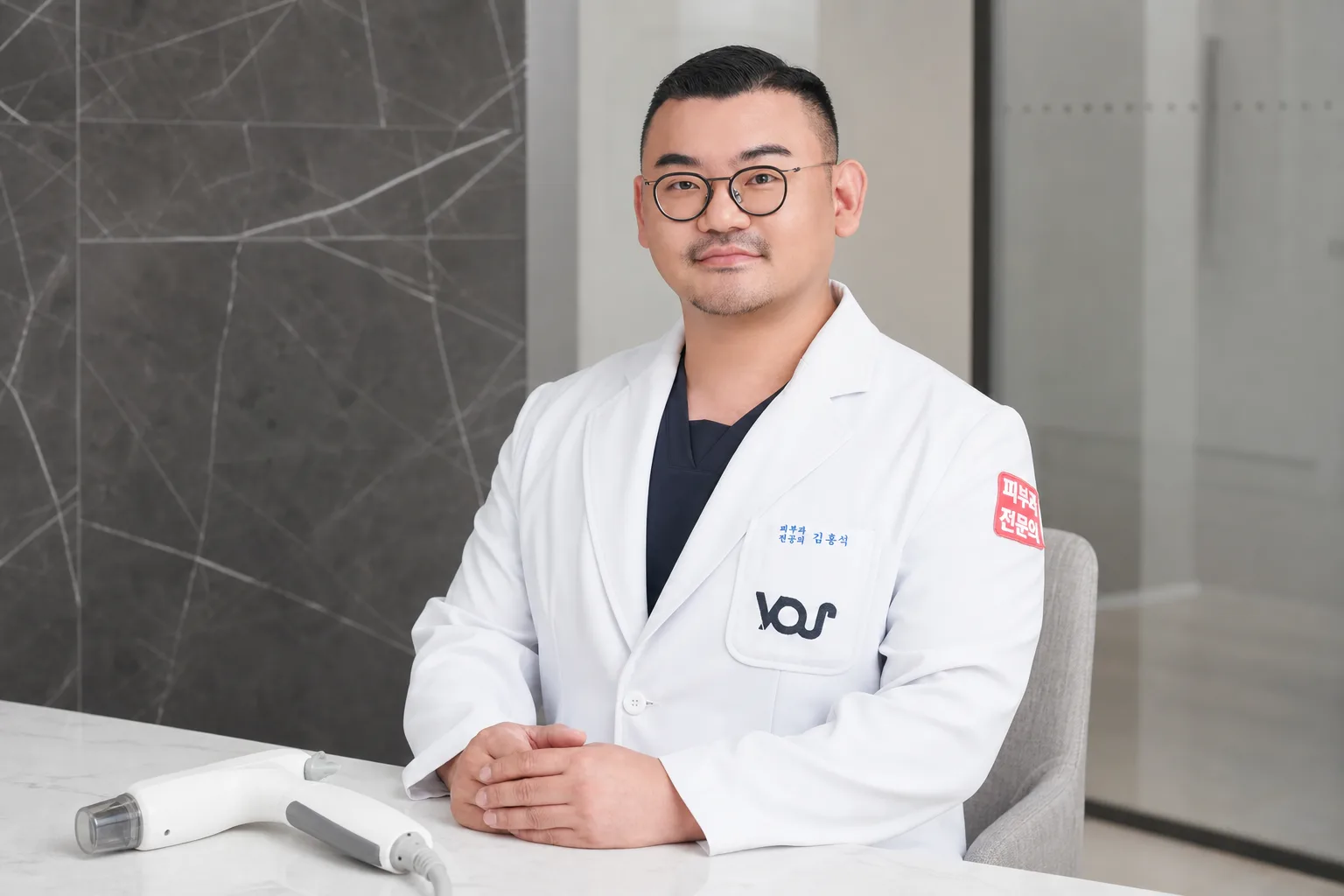
Korean Skin Tightening Treatment: Five Devices Compared
Korean skin tightening treatment: how Thermage FLX, Ultherapy Prime, Sofwave, Volnewmer and Double Tite differ, and what they cost. VOS Dermatology, Gangnam.
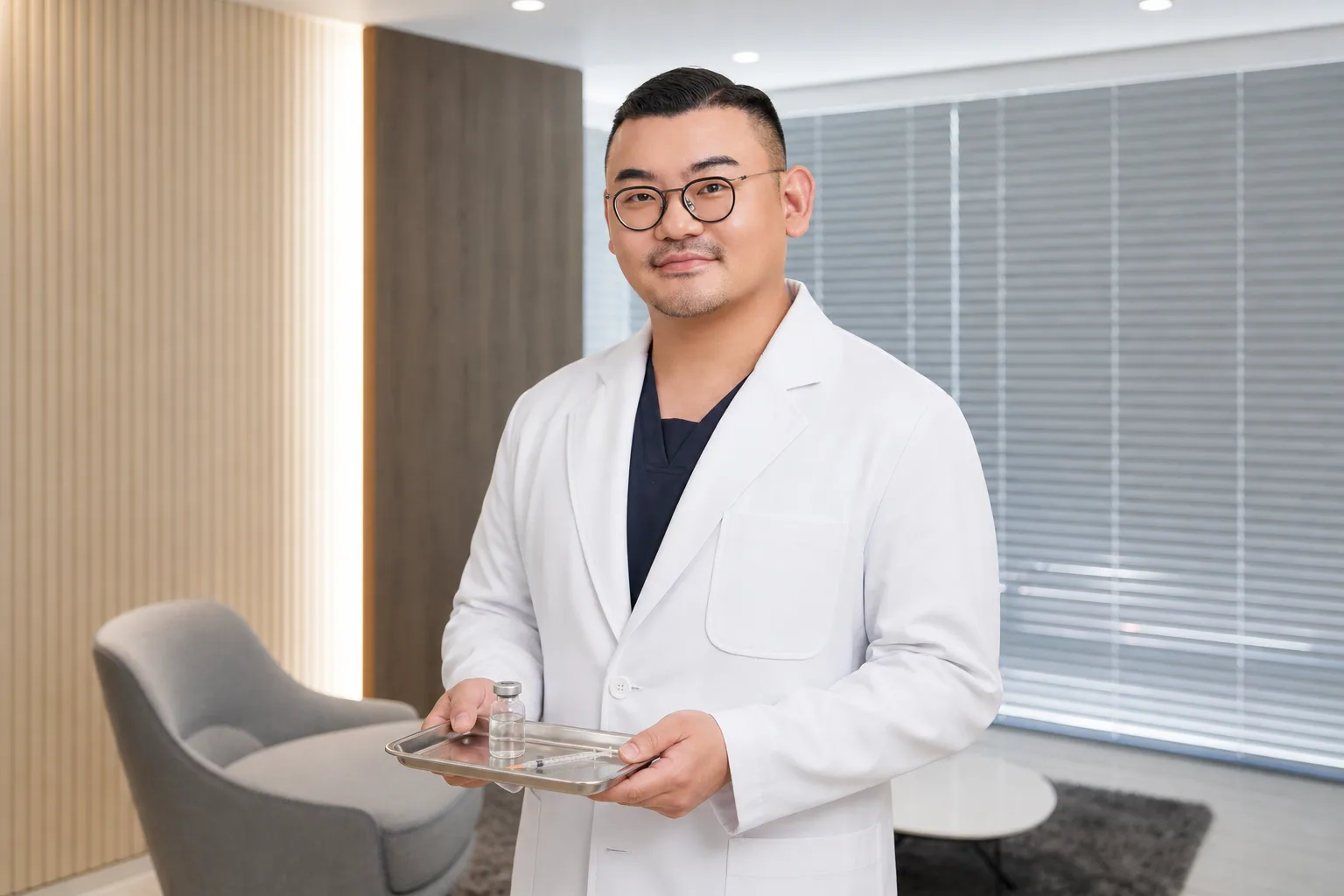
Skin Botox Korea: Micro Botox for Pores, Oil and Jawline
Skin botox Korea guide: how micro botox differs from muscle botox, what it does for pores, oil and the jawline, and listed prices — VOS Dermatology, Gangnam.
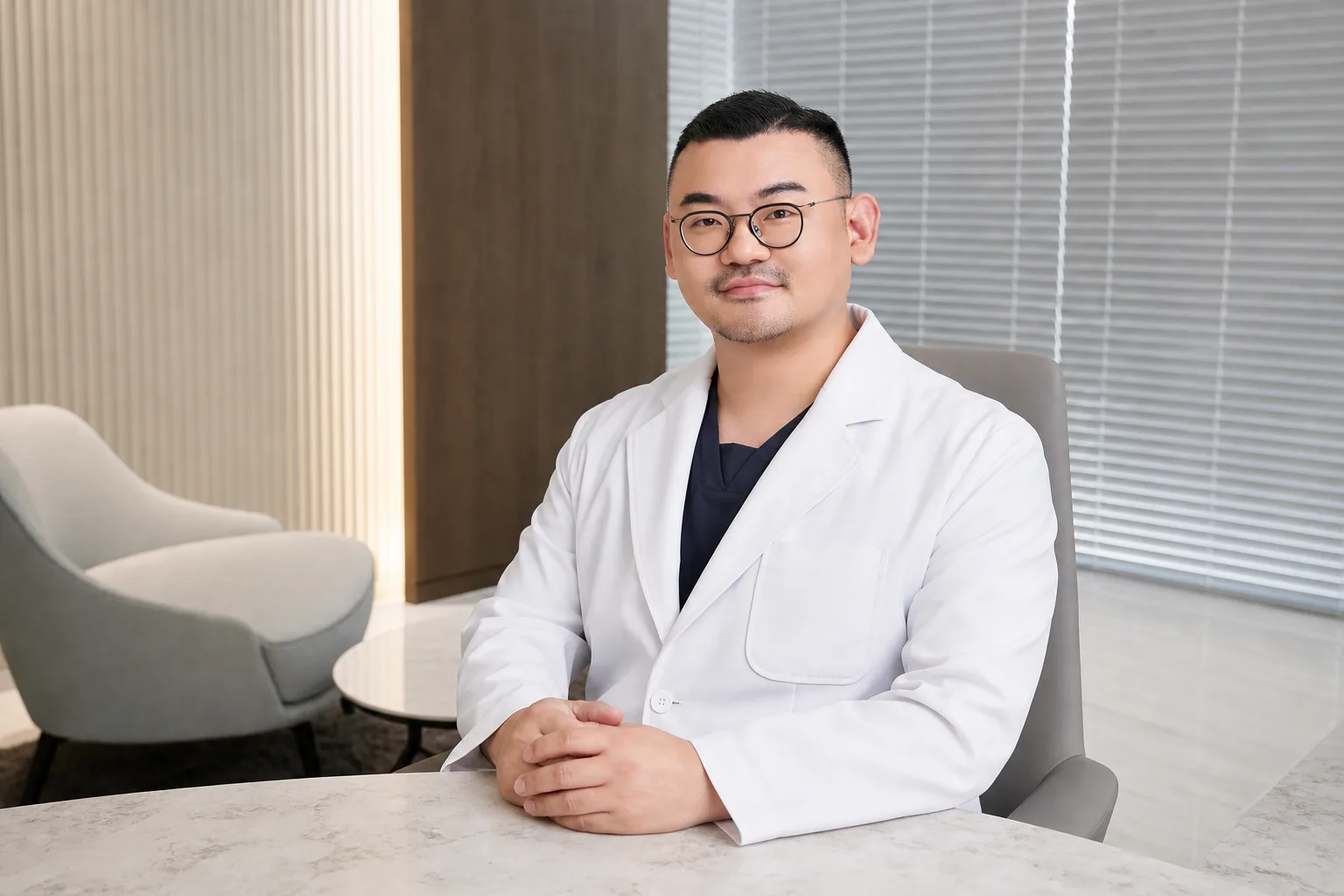
Skin Clinic in Seoul for Foreigners: A Visitor's Plan
Skin clinic in Seoul for foreigners: what to send before you fly, fitting downtime into a trip, one price for all, aftercare at home. VOS Dermatology, Gangnam