
What Korean Fillers Are Made Of, and Whose Face They Suit
Korean fillers explained: gel grades, collagen stimulators, who they suit and what to watch after flying home. From a dermatologist at VOS Dermatology…

Korean fillers are injectable gels, most often hyaluronic acid, placed under the skin to replace lost volume or to define a contour such as the chin, nose or jawline. The label covers both gels made by Korean companies and imported brands injected in Seoul, and what shapes your result is the gel's firmness, the depth it goes in and the amount. If you are flying in for this, the usual worry is what happens when swelling or a small lump appears after you are back home, far from the person who injected you.
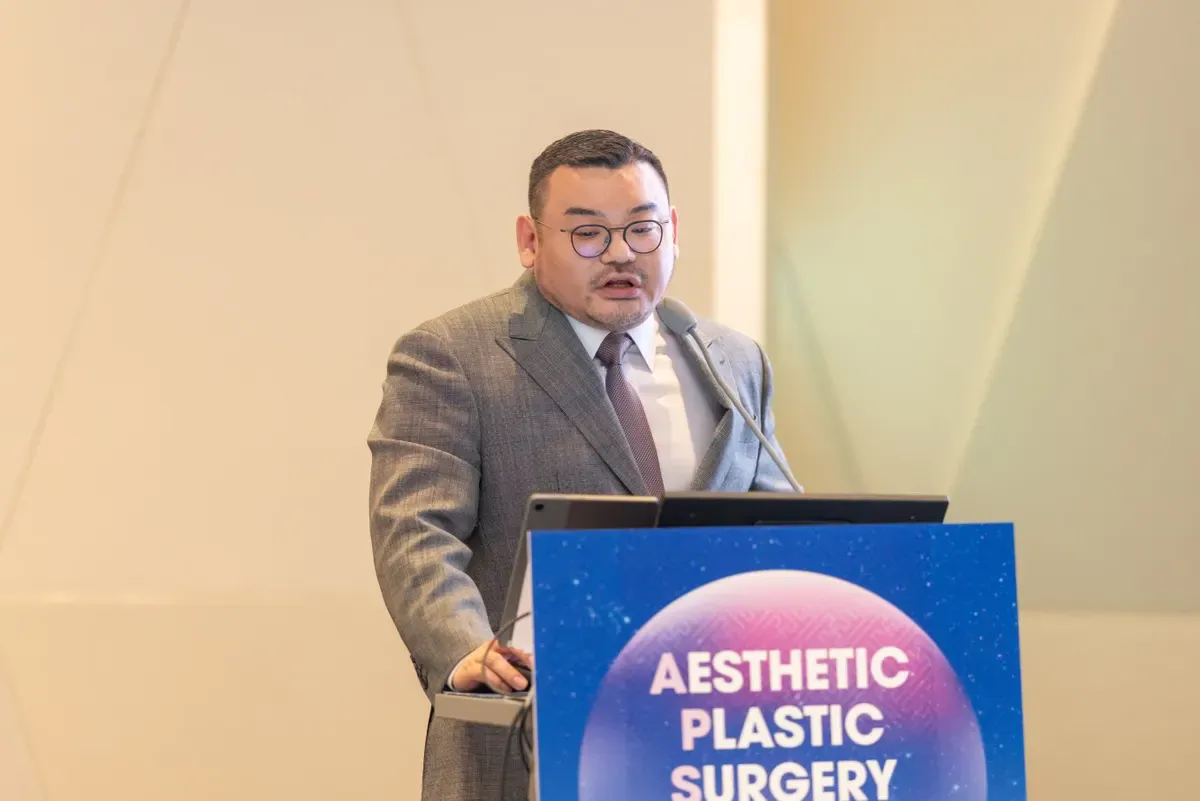
I'm Dr. Hongseok Kim, a board-certified dermatologist with 21 years of experience, and at VOS Dermatology I perform every procedure myself, from the consultation to the injection; I'm writing this because the word "Korean" on a filler menu tells you less than most people expect.
The short version: the hyaluronic acid fillers on the VOS list are Juvederm (Volbella, Lift, Voluma, Volux) and Belotero (Soft, Volume, Intense), each graded from soft to firm according to the area it is meant for. Fillers suit a defined spot of lost volume or a line you want sharper, and they suit loose, sagging skin poorly. Hyaluronic acid can usually be dissolved with an enzyme, which makes it the adjustable choice among injectables.
If you already know which area you are thinking about, send one daylight photo of it on WhatsApp, plus the product name and date of any filler you have had before. We reply in English, and your consultation can then start from your face and your history instead of from a menu.
Send a photo of the area on WhatsApp
What does "Korean fillers" mean on a Seoul menu?
In searches the phrase covers two things: gels manufactured in Korea, and any filler injected at a Korean clinic. Korea has its own hyaluronic acid manufacturers, and Seoul clinics also use imported brands. The two brand families on the VOS list are imported: Juvederm from Allergan Aesthetics and Belotero from Merz Aesthetics.
So you know where my perspective comes from: I have spoken at events run by both Allergan Aesthetics and Merz Aesthetics, including a Belotero symposium. I mention it so you can weigh what follows.
For the person receiving the injection, the brand question is smaller than three others. Is the product genuine and approved by the regulator where it is used? Does its firmness match the area? Is the amount right for your face? VOS states its own principles in exactly those terms: correct amount, genuine product, specialist. The U.S. Food and Drug Administration gives similar advice to American patients: use only approved dermal fillers, injected by a licensed provider, and never with injection pens bought online that work without a needle.
If you want the brand comparison in more depth, I wrote it out separately in how Korean fillers compare with Juvederm.
How a hyaluronic acid filler holds its shape
Hyaluronic acid is a sugar molecule your skin already makes, and it binds water. On its own it would break down within days, so manufacturers cross-link the chains into a gel that lasts months instead.
A few terms you may hear in a consultation, in plain words:
- Cross-linking. Chemical bridges between hyaluronic acid chains. More bridges generally mean a firmer gel that resists pressure and lasts longer in the tissue.
- Lift or projection. How well a gel holds a shape against the skin and muscle above it. The chin and nose need a lot of it; fine lines need almost none.
- Spreadability. How easily a gel blends into surrounding tissue. Soft gels spread, which suits thin skin near the surface.
- Hyaluronidase. An enzyme that breaks hyaluronic acid down. It is the reason hyaluronic acid is usually the first choice for someone new to filler.
- Biostimulator. An injectable whose main job is to prompt your own collagen, so the result builds over weeks. More on these below.
The American Academy of Dermatology and the American Society of Plastic Surgeons both describe hyaluronic acid results as temporary: your body gradually absorbs the gel. That is a limitation, but for a first treatment abroad it is also a safety margin.
Soft, medium, firm: the words on the label
Each product on the VOS list carries a firmness grade and the areas it is listed for. Reading the grade tells you more about what will happen on your face than the brand does.
| Firmness grade | Products on the VOS list | Areas they are listed for |
|---|---|---|
| Soft | Juvederm Volbella, Belotero Soft | Sunken eye area; horizontal neck lines, fine lines around the mouth |
| Medium | Juvederm Lift, Belotero Volume | Marionette lines; cheeks, temples, nasolabial and marionette folds |
| Hard | Juvederm Voluma | Cheeks, temples, forehead, nasolabial folds |
| Firm | Juvederm Volux, Belotero Intense | Nose, chin, jawline definition, structural contouring |
Most of the "bad cheek filler" photos people send around come down to a mismatch on this table. A soft gel used for projection spreads sideways and looks puffy. A firm gel placed too close to the surface can show as a ridge when you smile. And too much volume in the middle of the cheek flattens the natural curve between cheek and lower eyelid, even when the product is right.
Two areas need a note. The nose sits over small blood vessels that connect toward the eye, so nose filler is planned with more caution than the cheek, whichever gel is used. Lips are not named among the listed areas on the VOS filler list, so if lips are your main reason for the trip, ask before you plan around it. The under-eye hollow has its own trade-offs, which I covered in under-eye filler and its risks.
Fillers and collagen stimulators work on different timelines
A hyaluronic acid filler shows its shape on the day, while a collagen stimulator shows its effect over weeks. Several injectables on the VOS menu sit in the second group, and they are often lumped in with Korean fillers online.
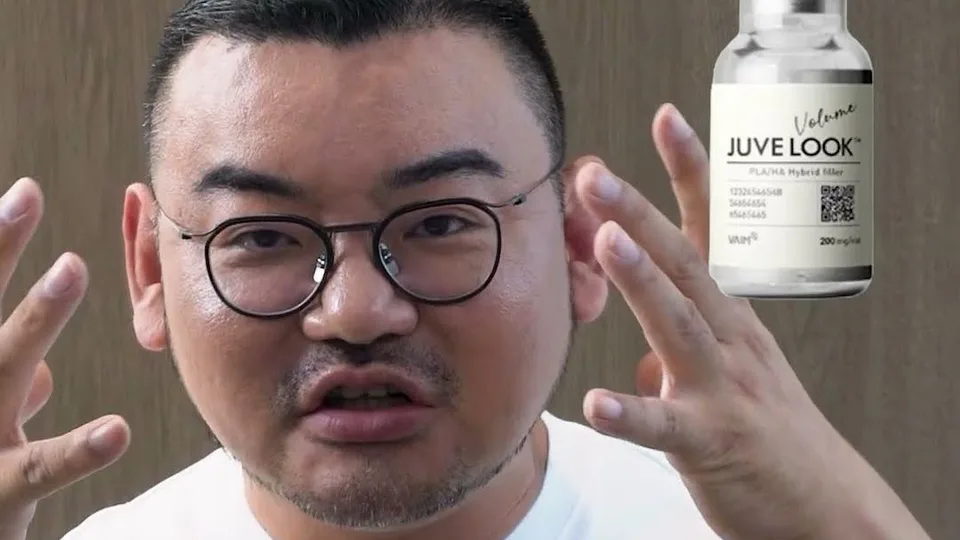
Gouri is a liquid PCL collagen stimulator. The clinic's own guidance describes it as designed to stimulate your own collagen for elasticity, rather than to fill a single spot. Sculptra is PLLA, and Juvelook Volume is PDLLA; all three are collagen biostimulators with different ingredients. You can read the clinic's notes on the Gouri treatment page.
The practical difference for a traveler: with hyaluronic acid you leave Seoul knowing roughly what you look like, and with a biostimulator you leave with a result still forming. Neither is better. They answer different problems, volume in one place versus overall firmness and skin quality.
Body filler is a third category. Shoulder filler is listed in the clinic's Better Body Fit menu: the line shows immediately, micro-swelling settles over one to two weeks, and the final line is seen after that. I wrote a separate piece on shoulder filler in Korea for anyone weighing it.

Who do Korean fillers suit, and who should wait?
Fillers suit a person whose concern is a missing volume or a missing line: a hollow temple, a chin that sits back, a nose bridge that is low between the eyes, a deep fold beside the mouth. They suit people who want an adjustable result, since hyaluronic acid can usually be dissolved.
They suit loose skin poorly. When the jowl or lower face has dropped, adding gel adds weight to tissue that is already sagging, and the face can look heavier rather than lifted. That situation usually belongs to energy-based lifting, such as Ultherapy PRIME or Sofwave, and I matched lines to treatments in this guide to wrinkle treatment.
In general dermatology practice, filler is usually postponed in these situations:
- Active infection, acne flare or cold sore near the injection area
- Pregnancy or breastfeeding, since fillers have not been studied in these groups
- Filler of an unknown type already in the same area, especially if it may not be hyaluronic acid
- Blood-thinning medication or supplements that raise bruising risk, which you should discuss rather than stop on your own
- An autoimmune condition that is currently active
None of these is a judgment about you. They are reasons to choose a different month or a different treatment.
Risks and side effects after you fly home
Most reactions are mild and short: swelling, bruising, redness, tenderness and sometimes a firm spot under the skin. The FDA lists these as the common effects of dermal fillers. They tend to look worse the next morning than they will a few days later.
Less common are lumps that persist, uneven results and delayed swelling. With hyaluronic acid, many of these can be adjusted or dissolved, which is one more reason it suits a first treatment abroad.
The rare and serious risk is gel entering a blood vessel. The FDA warns this can block blood flow and damage skin, and in rare cases cause vision problems or blindness. The warning signs are skin that turns pale or blotchy, pain out of proportion to the injection and any change in vision. These need same-day medical attention wherever you are.
The U.S. Centers for Disease Control and Prevention advises medical travelers to plan follow-up care at home and to carry their records. For filler that plan is simple: schedule the injection early in your stay rather than the day before your flight, so early swelling or unevenness is seen while you are still in Seoul.
Remember the clinic is closed on Wednesdays, Sundays and public holidays when you count the days. Results and recovery differ from person to person, and whether filler suits your face is settled at the in-person consultation.
Worth knowing: Before you fly, save the product name, the amount and the areas treated in your phone. If something changes at home, a local dermatologist can act faster when they know what is under your skin.
If your trip is short, send your arrival and departure dates on WhatsApp with a photo of the area you want treated. We reply in English, and you'll know which days in your stay we can offer for the consultation before you lock in flights.
Send a photo of the area on WhatsApp
How I approach filler for someone on a short trip
Three questions shape the plan for a visitor more than for someone who lives nearby. Which grade of gel does the area need, according to the table above? How much volume does the face need on this trip, compared with what it might need eventually? And what would happen if a lump or swelling appeared on day ten, at home?
The consultation at VOS is a one-to-one conversation based on skin analysis, and I perform the injection myself, so the person who chose the gel is the one who places it. VOS has used nitrous oxide sedation in more than 5,700 cases, so if needles are what you dread, ask whether it fits your treatment.
Doctor's note
With filler, a smaller first amount is easier to add to than a large one is to dissolve. For someone who will be on another continent within a week, that asymmetry matters more than usual. A conservative first session also lets you see how your own tissue holds the gel before deciding on more.

Before you message us
The most useful first message is short. Send one photo of the area in daylight, no filter, taken straight on and from the side, and add your travel dates. If you have had filler before, add the product name and roughly when; if you don't know the product, say so, because that changes what is safe to inject on top.
You can reach us on WhatsApp at https://wa.me/821096974628 and we reply in English. VOS is at 806 Eonju-ro in Gangnam, in front of Dosan Park, an 11-minute walk from Exit 3 of Gangnam-gu Office Station on Line 7. Results vary from person to person, so the photo is a starting point for the consultation rather than a plan.
See me explain it on video
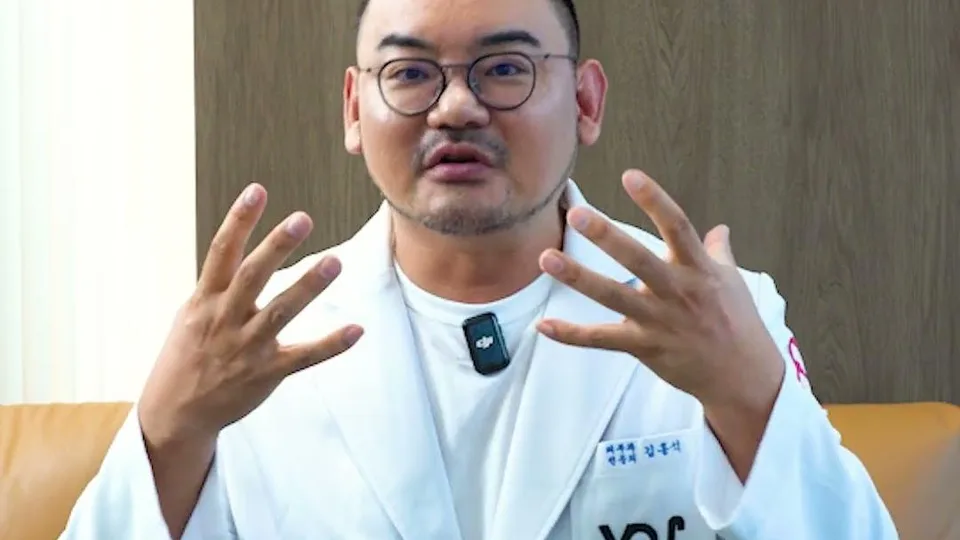
I answer the questions patients ask me on camera. The YouTube channel is in Korean with English titles; Instagram and TikTok are for international patients.

Questions readers ask about korean fillers
Are Korean filler brands different from US or European ones?
Can I get lip fillers in Korea at VOS?
How long do hyaluronic acid fillers last?
Can filler be removed if I don't like it?
How soon can I fly after getting filler?
Results, timing and recovery vary from person to person. This article is general information from VOS Dermatology Clinic and does not replace an in-person consultation. Any prices mentioned are from the clinic’s official price list (KRW, before VAT) and may change.
Related articles

Korean Filler vs Juvederm: What Differs and What Doesn't
Korean filler vs Juvederm from a dermatologist: how HA gels differ, when brand matters less than placement, and listed filler prices. VOS Dermatology, Gangnam

Korean Under Eye Filler: Hollows, Risks and Listed Prices
Korean under eye filler: when a soft HA gel helps a tear trough, when bags or thin skin need another fix, risks and listed prices — VOS Dermatology, Gangnam

Shoulder Filler Korea: Shoulder Line, Collarbone and Cost
Shoulder filler Korea guide: how hyaluronic acid refines the shoulder and collarbone line, who it suits, 1–2 week settle and pricing — VOS Dermatology, Gangnam.