
3 risks of a Korean filler perm that don't wear off
A korean filler perm means filler that never leaves. Three risks that don't fade, what to use instead and when to wait. VOS Dermatology, Gangnam.

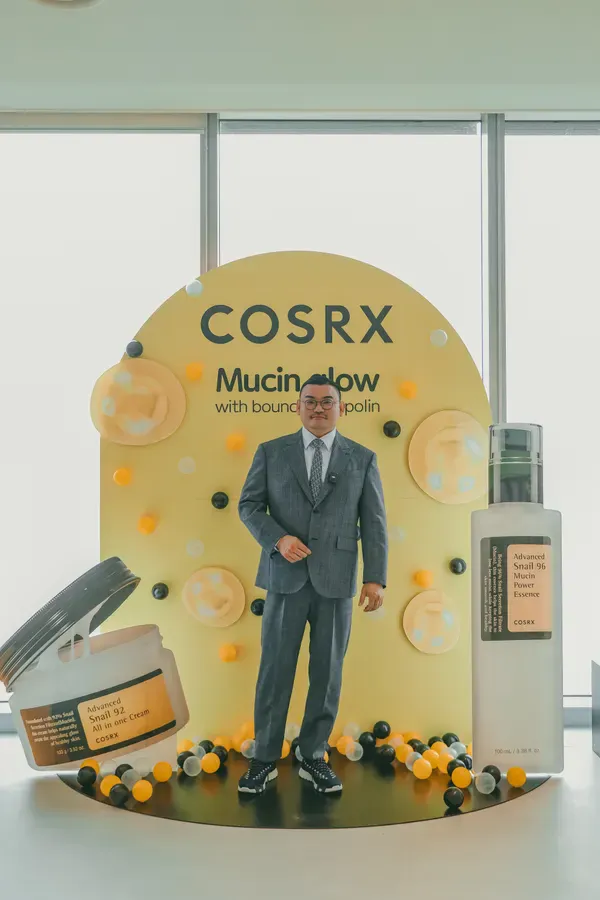
A “korean filler perm”, meaning a filler designed to stay in the face indefinitely, saves you repeat visits but brings three risks that don't fade: late lumps, a shape that doesn't age with you, and no way to dissolve it. In a consultation, the question that changes the conversation is usually the simplest one: what is the material called? If a problem shows up after you've flown home, it lands on a doctor who never saw what went in. I'm Dr. Hongseok Kim, a board-certified dermatologist with 21 years in practice; at VOS I do every consultation and injection myself, and I wrote this because “perm” is a nickname that hides the one detail you most need.
Put plainly: a korean filler perm is not how most fillers in mainstream use behave, because they are absorbed over months, and the longer-lasting options are collagen stimulators that are also broken down over time. A filler built never to leave trades fewer visits for problems that are harder to treat, and for most faces I'd choose a schedule of repeat sessions over that trade.
If you already have filler from an earlier treatment, especially one whose name you don't know, send a photo of any record or label you kept plus a current photo of the area on WhatsApp. Knowing what is already in your face shapes every option that follows, and results vary from person to person, so it's worth sorting out before you book flights.
Send your filler history and a photo on WhatsApp
What does filler perm actually mean?
In short, it's a nickname, usually for a filler made from material the body can't break down, such as PMMA microspheres or liquid silicone. Some sellers also apply it loosely to long-lasting products that are in fact absorbed. That ambiguity is the first risk: two people can both say “perm” and mean very different things.
Ask for the material and product name every time. The U.S. Food and Drug Administration notes that most of the dermal fillers it has approved are absorbable, and it has not approved liquid injectable silicone for filling wrinkles or shaping the face.
Brand names add another layer of confusion, especially when the same family of product is sold under different labels in different countries. I've set out how filler brands differ, and where they don't separately.
Lumps that appear long after the injection
Late nodules are the risk people least expect. A small firm bump, or a red and swollen area, can appear months or years after a non-absorbable filler, sometimes after an unrelated infection sets off inflammation around the material.
With absorbable filler, a lump can usually be treated, and the material eventually goes. With a material that stays, treatment may mean steroid injections, long courses of medicine or surgical removal, and removal is rarely clean because the filler can spread into the surrounding tissue.
Collagen stimulators can form nodules too. VOS lists a Juvelook nodule treatment on its menu; nodules are a known risk of stimulators, and it is better to plan for them than to pretend they don't happen.

A face that keeps ageing around a fixed shape
Your bone, fat pads and skin keep changing for decades. A volume placed at 30 that never leaves sits in a different face at 45: cheeks that descend, a jaw that loses support, skin that thins. What looked balanced can start to look heavy or displaced.
Absorbable fillers let a plan change with the face. You can stop, adjust the area or move to another approach. With a filler that stays, the only ways to change the shape are adding more around it or taking it out.
Lines change in character with age as well. Some respond to filler, some to muscle relaxation and some to collagen work, which is why I wrote about matching each wrinkle to its own fix.
No dissolving it if something goes wrong
Hyaluronic acid filler can usually be broken down with an enzyme called hyaluronidase; non-absorbable material can't. That difference matters most in the rare but serious event that filler blocks a blood vessel, which the FDA lists among filler risks because it can damage skin and, rarely, vision. With hyaluronic acid, dissolving the filler quickly is part of the response. With other materials, that option doesn't exist.
| Filler material | How long it stays | Can it be dissolved? |
|---|---|---|
| Hyaluronic acid | Absorbed over months; varies by product and area | Usually, with hyaluronidase |
| Collagen stimulators (PLLA, PDLLA, PCL) | Absorbed gradually; your own collagen carries the effect | No enzyme; nodules are treated other ways |
| PMMA, liquid silicone | Not absorbed | No; removal may need surgery |
The American Academy of Dermatology lists bruising, swelling, redness and tenderness as the common effects of filler, with infection, lumps and blood-vessel blockage as the rarer ones. Those apply to every material. The difference a perm makes is in what can be done afterwards.
Worth knowing: If you've had filler before and don't know what it was, say so before anything new goes in. An unknown older filler in the same area changes the risk of adding more, and an ultrasound scan is sometimes needed to see where it sits.
For a first message, the most useful thing is your filler history: rough dates, which areas, any product names or records, and a current photo of the area.
Send your filler history and a photo on WhatsApp
How I approach someone who wants filler to last longer
The wish behind a perm request is reasonable: fewer appointments and less upkeep. There are ways to stretch the interval that keep the material absorbable.
Collagen stimulators are the main one. VOS offers three: Gouri (PCL), Sculptra (PLLA) and Juvelook Volume (PDLLA). All three prompt your skin to build its own collagen and differ in ingredient, and which one fits your skin and goals is something I explain at the consultation. Gouri is a liquid-type PCL stimulator designed for elasticity and a natural tightening effect. The trade-off is pace: the result builds gradually, and nodules, though uncommon, are possible.
For structural areas, hyaluronic acid fillers come in softer and firmer grades. VOS lists the softer ones for areas such as sunken eyes and fine lines, and the firmer ones for the nose, chin and jawline. Firmer grades in structural areas tend to hold their shape longer, and they can still be dissolved.
The same thinking applies below the face. With shoulder filler, VOS's treatment notes say the line shows immediately and the final shape is seen one to two weeks later, once micro-swelling settles.
Sometimes the honest answer is that filler isn't the right tool. If the real complaint is dullness or texture, what a dermatology clinic facial offers may suit you better.
Every injection at VOS is done by me. For people who are anxious about needles, the clinic offers nitrous oxide sedation, with over 5,700 cases recorded, and its syringes use a 5μm filter that blocks glass fragments from ampoules.
Who should not get filler right now?
Hold off if you have an active infection, cold sore or acne flare in the area, are pregnant or breastfeeding, or have older filler of unknown type where the new one would go. Each of these raises the chance of a problem or makes a problem harder to read.
Tell the doctor about blood thinners and supplements that affect bleeding, since they raise the chance of bruising; don't stop a prescribed medicine on your own. Mention autoimmune conditions too, especially if one is flaring. Whether filler suits you at all is decided at the in-person exam.
Who injects matters as much as what. If you're weighing clinics in any country, it helps to know what board certification in Korean dermatology means.

What happens if a problem shows up after you fly home?
See a doctor where you are, promptly, and bring the details of what was injected. Sudden pain, blanching or colour change of the skin, or any change in vision after filler is an emergency anywhere in the world, and belongs in an emergency department straight away.
Slower problems, like a lump weeks later, still need an in-person look. The CDC's guidance on medical tourism recommends carrying copies of your records and arranging follow-up care before you travel.
This is where absorbable materials help most. A doctor at home who has never met you has far more options with a product that can be dissolved or that the body will clear.

Before you message us
On WhatsApp at https://wa.me/821096974628, send a current photo of the area and whatever you know about past filler: dates, areas and product names. If you're planning a trip, add your dates; VOS is open Monday, Tuesday and Thursday 10:00–19:00, Friday until 20:00 and Saturday until 16:00, and closed on Wednesdays, Sundays and public holidays.
Results vary from person to person, and the material you choose decides how much room you keep to change your mind later.
See me explain it on video
I answer the questions patients ask me on camera. The YouTube channel is in Korean with English titles; Instagram and TikTok are for international patients.


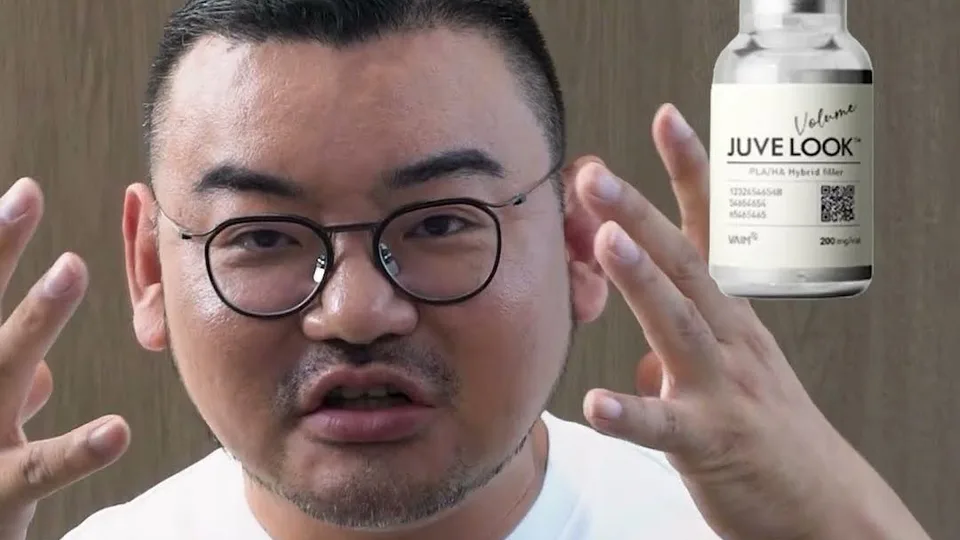
Questions readers ask about korean filler perm
Which fillers give a long-lasting result but are still absorbed?
Can hyaluronic acid filler be dissolved if I don't like it?
What should I do if a lump appears months after filler?
Can I have new filler if I already had filler elsewhere?
How soon can I fly after filler in Seoul?
Results, timing and recovery vary from person to person. This article is general information from VOS Dermatology Clinic and does not replace an in-person consultation. Any prices mentioned are from the clinic’s official price list (KRW, before VAT) and may change.

Korean Filler vs Juvederm: What Differs and What Doesn't
Korean filler vs Juvederm from a dermatologist: how HA gels differ, when brand matters less than placement, and listed filler prices. VOS Dermatology, Gangnam
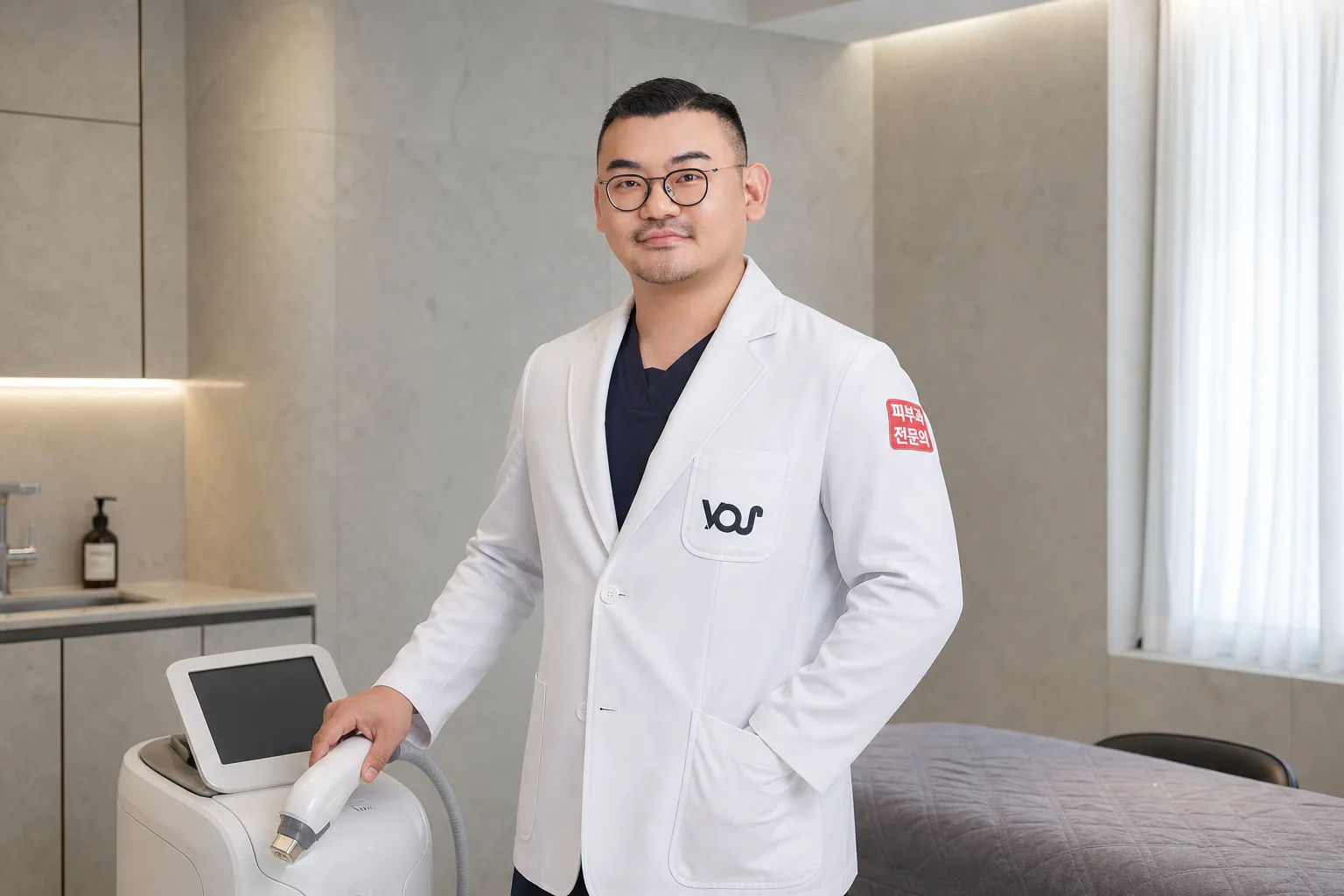
Korean Wrinkle Treatment: Matching Each Line to a Fix
Korean wrinkle treatment by line type: toxin for movement lines, devices and boosters for fine lines, fillers for folds, and prices. VOS Dermatology, Gangnam.
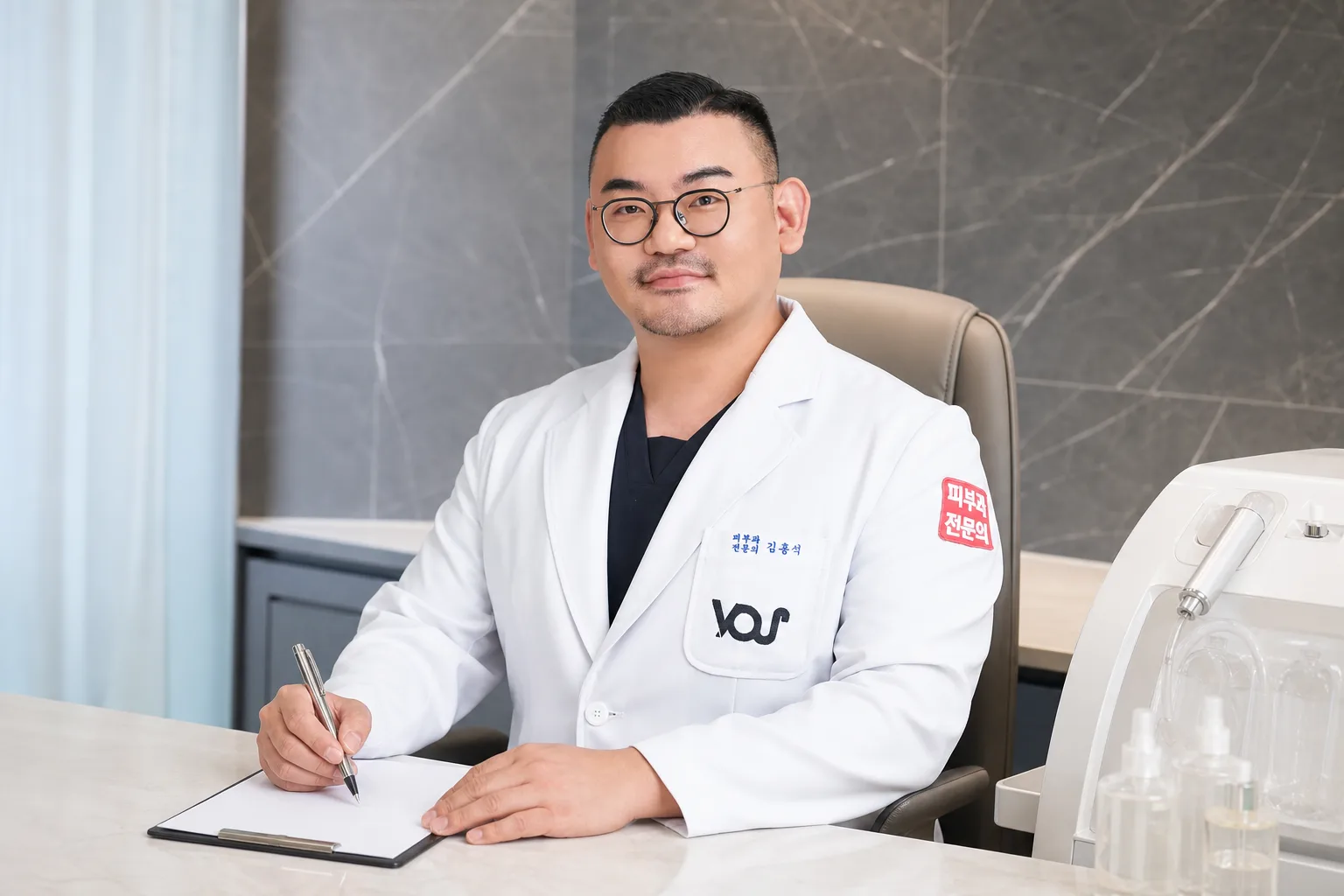
Korean Facial in Seoul: What a Dermatology Clinic Offers
Korean facial guide: what a Seoul dermatology clinic facial menu includes, HydraFacial to boosters, and how to choose for a trip — VOS Dermatology, Gangnam.