Dr Korea PDRN: Cream or Injection? Cost, Reviews & Methods
Dr Korea PDRN: creams hydrate, injected PN works in the dermis. Cost factors, methods, review claims and who it suits, from VOS Dermatology, Gangnam.

Is a Dr Korea PDRN appointment worth fitting into your Seoul trip, or would the PDRN cream on a Korean pharmacy shelf do the same job for your skin?
Read this before you book a slot or fill a shopping basket.
You'll know what decides the cost of an injected course, which review claims hold up, and how the methods differ, so you can choose between a cream, one session, or a full course that fits your skin and your budget.
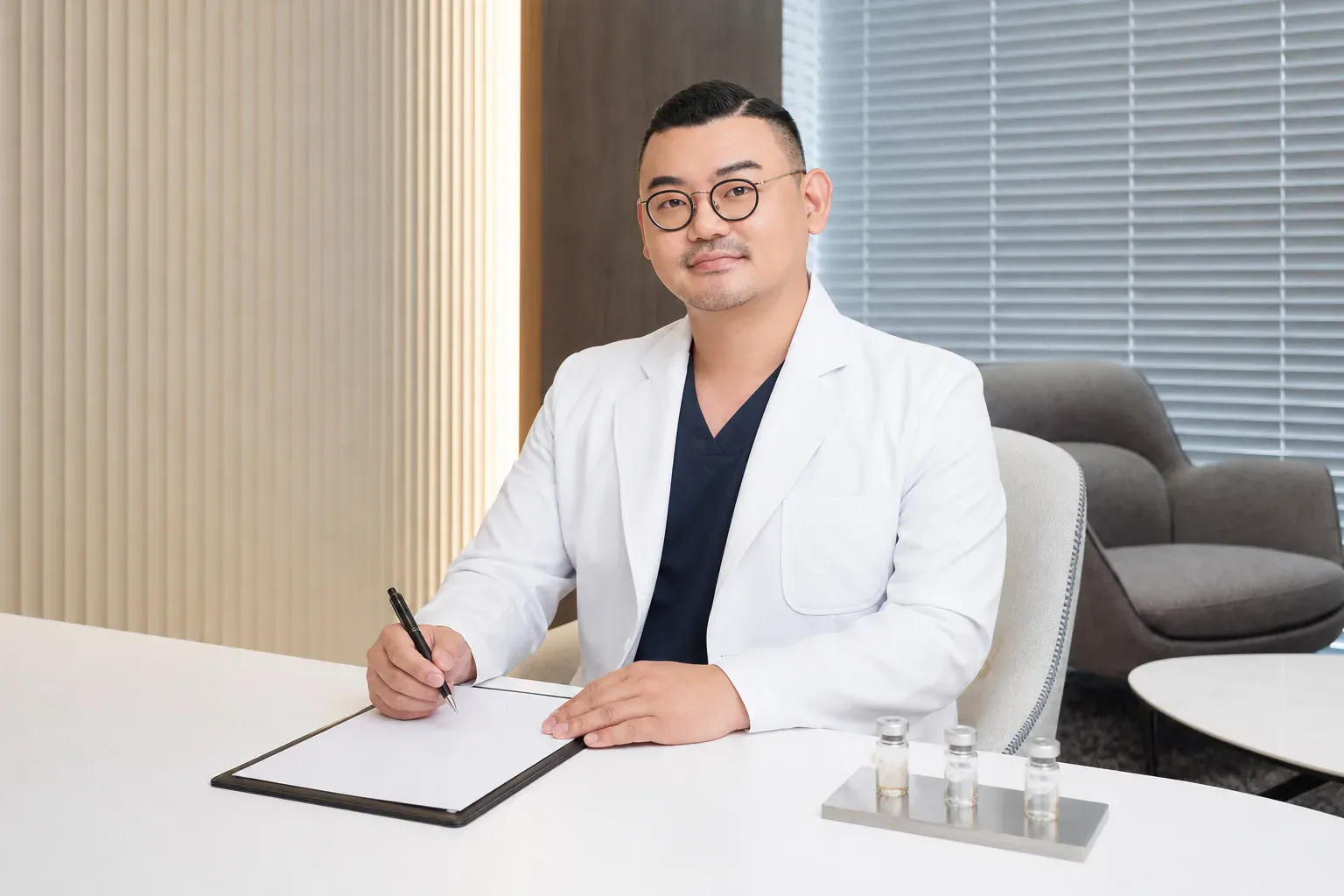
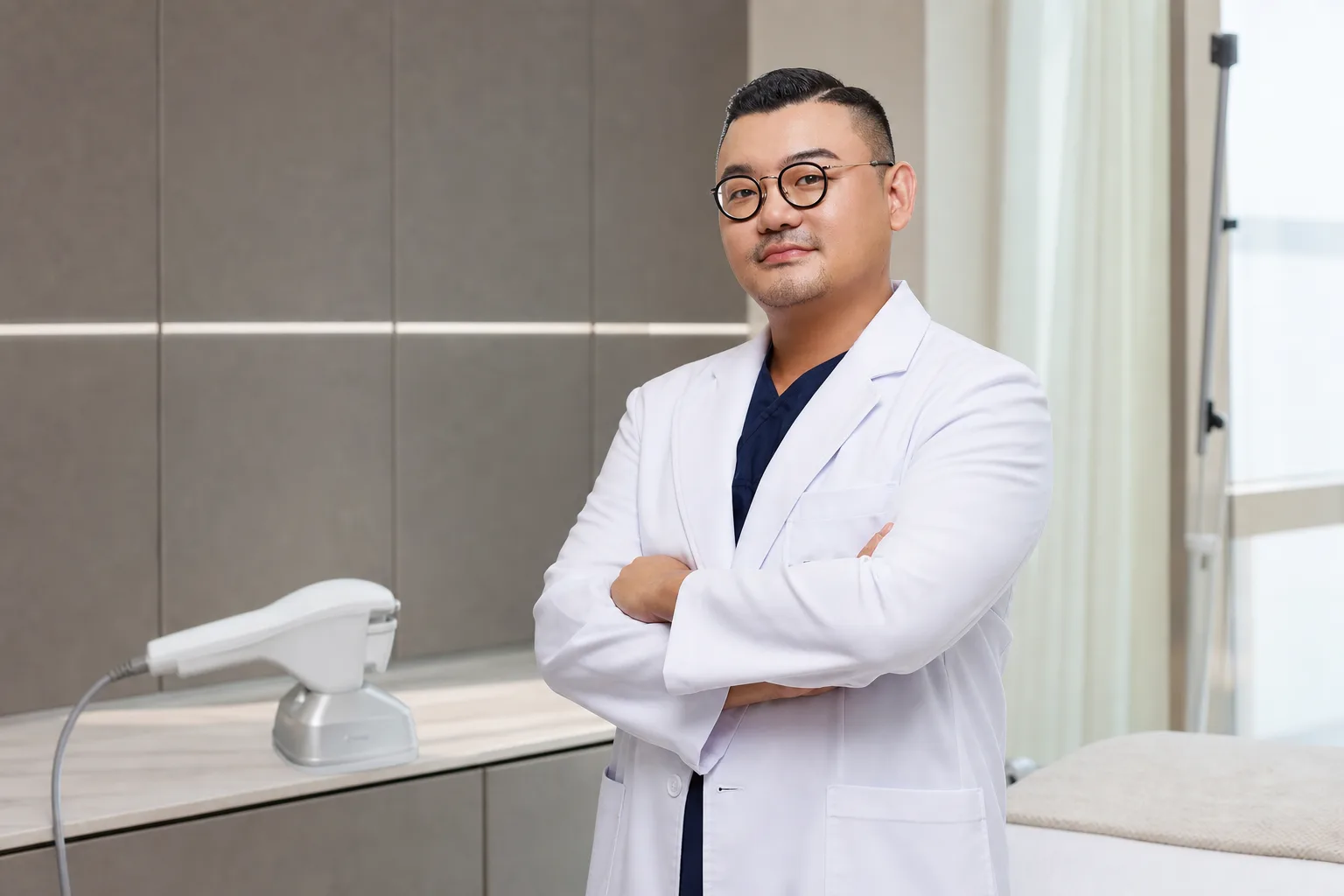
Hello, I'm Dr. Hongseok Kim, a board-certified dermatologist with 21 years of experience and the Medical Director of VOS Dermatology Clinic in Gangnam. I perform the procedures at the clinic myself.
The injectable I use in this family is Rejuran, in three versions: Healer, HB and Eye. Every plan here starts with a skin analysis, and the price list is the same for every nationality.
I'm writing this because many visitors treat the cream and the injection as two strengths of one product, then feel let down by whichever one they picked.
PDRN and its longer-chain relative PN are DNA fragments, mostly from salmon, that support the skin's own repair. On the surface they work as part of a moisturizer; injected into the dermis, they reach the cells that build collagen.
If you're weighing this for a short trip, send one daylight photo of your face without makeup on WhatsApp, with your arrival and departure dates, and ask the one thing you most want to know: one session or a full course?
Send a daylight photo and your travel dates on WhatsApp
What is PDRN, and how is it different from PN?
PDRN stands for polydeoxyribonucleotide. It was studied first in wound healing, where it appears to help damaged tissue repair by acting on receptors that calm inflammation and encourage new blood vessels and cell growth. A review in the journal Pharmaceuticals describes this wound-healing work in detail.
PN, or polynucleotide, comes from the same source but keeps much longer DNA chains. A comparison published in Pharmaceutics explains the practical difference: the longer chains of PN form a gel-like network in the dermis that holds water and gives fibroblasts a scaffold to work on, while PDRN's shorter fragments act more as a signal.
In Korea, "PDRN" has become shorthand for the whole family. You'll see it on sheet masks, serums and clinic menus alike, and the word alone doesn't tell you which molecule, how much of it, or where it ends up.
On my menu, the option in this family is Rejuran, a PN booster derived from purified salmon DNA. It's PN, not PDRN, and I'd rather you know that before you message.
Can a Korean pharmacy PDRN cream do the same job?
For most people, no. A cream can make dry skin feel better, but it doesn't put DNA fragments where an injection does.
The reason is size. A widely cited paper in Experimental Dermatology, known as the 500 Dalton rule, notes that compounds generally need to be below roughly 500 Daltons to pass through intact skin. A single nucleotide is already a sizeable molecule, and the fragments in PDRN and PN are long strings of them. Applied to the surface, most of that material stays in the outer layers.
That doesn't make Korean PDRN skincare useless. Many of these products are well-made moisturizers, and the humectants and soothing ingredients around the PDRN do real work on a tight, flaky barrier. If your main problem is dryness after a winter of heaters, a pharmacy tube is a sensible purchase. I wrote more about that situation in PDRN in Korea for dry skin.
What the cream won't do is reach the dermis, where thinning, fine lines and a weak repair response actually start. That's the gap the injection is meant to fill.
Methods: the injected options and who each one suits
Rejuran is micro-injected into the dermis in many small, shallow points across the area being treated. A session takes about 30 minutes. The three versions differ in what's added to the PN and where they're meant to go.
| Option | What's in it | Who it suits |
|---|---|---|
| Rejuran Healer | PN | Sensitive or reddened skin, a weak barrier, face and neck |
| Rejuran HB | PN, hyaluronic acid, lidocaine | Dryness, and people who want more hydration and less discomfort |
| Rejuran Eye | PN | Fine lines and thin, crepey skin under the eyes |
The syringes I use for injectables have a 5μm filter, which blocks tiny particles such as ampoule glass fragments. One of the principles I hold to is exact dosage: never more, never less than your skin needs.
PN is a skin-quality treatment. If your main worry is a softening jawline or sagging cheeks, a booster will disappoint you, and that's when lifting options such as focused ultrasound come into the conversation. The Better Face Line overview lists what sits in that category, and Korean HIFU vs Ultherapy explains how those devices differ.
What do reviews get right and wrong about Korean PDRN?
Review threads about salmon injections repeat a handful of claims. Some are accurate, some aren't.
"It stings more than you expect." Partly true. Many small injections add up, and the face is sensitive. HB contains lidocaine for this reason, and numbing cream before injections is common practice. If needles frighten you, ask about nitrous-oxide sedation; the clinic has used it in over 5,700 cases.
"You get glass skin the next morning." Not how it works. The first days usually show small raised points, some redness or a bruise, and the change in texture builds over the following weeks. On the clinic's own treatment notes, improvement appears within 12 weeks and lasts about six months after a course.
"The cream is just as good, so skip the needle." The absorption point above answers this one. The cream helps the surface; it isn't a smaller dose of the injection.
"The bumps last for a week." Usually shorter. Minor swelling, bruising or redness for two to three days is possible, which matters if you're flying or have photos planned.
How I approach a PN plan when you're only in Seoul for a few days
I start with a skin analysis, then choose the product, the amount and the areas for your face rather than handing you a package. Every skin is different, so the plan has to be different too.
Say you're 28, teaching English in Taipei, with five days in Seoul. Your cheeks feel tight and look dull, there are fine lines starting under the eyes, and your budget covers one treatment, not three.
Here is how I'd reason. The standard Rejuran protocol is three sessions a month apart, because the skin needs time between sessions to do its own repair. One session is a start, not the full result. If you can't come back, I'd rather do one session well than squeeze two into five days. I'd also put that session early in your trip, so the redness and any bruise have time to settle before your flight home.
If you might return in a month or two, that changes the plan: the first session becomes the first of a course. The clinic is closed on Wednesdays, Sundays and public holidays, so check your dates against Monday, Tuesday, Thursday, Friday or Saturday before you book flights.
Doctor's note
When skin is thin and reactive, I would rather promise less from one PN session than stack several treatments into a short trip. PN works by giving your skin better conditions to repair itself, and that repair runs on weeks, not days. A cream at home in between won't replace the next session, but it keeps the barrier comfortable while you wait.
If the one-trip question is what's holding you back, add a side-view photo taken in daylight to your WhatsApp message and ask whether a single session makes sense for your dates.
Send a daylight photo and your travel dates on WhatsAppWhat decides the cost of a PN course in Seoul?
There is no single figure for "a Korea PDRN treatment", because several things move it:
- Which version. Healer, HB and Eye are priced separately.
- How much product. The amount is measured in millilitres, and larger amounts are priced differently per millilitre.
- How many areas. Face only, face and neck, or the under-eye area added on.
- How many sessions. One session on a single trip, or the three-session course.
- What else you add. Sedation or another treatment on the same day changes the total, and listed prices are before 10% VAT.
The same price list applies to every nationality, and it's published on the pricing page. For your own case, ask on WhatsApp what it would cost, with a photo and the areas you care about.

Risks and side effects to know
The common reactions are temporary: small raised points at the injection sites, redness, mild swelling and occasional bruising. These usually settle within two to three days. Rejuran also has its own page with more detail: Rejuran in Seoul.
As general medical caution, you should wait or skip PN injections if you have:
- an active infection, cold sore or acne flare in the treatment area
- had a laser treatment or chemical peel on the same area very recently
- taken isotretinoin recently
- a pregnancy or are breastfeeding
- a known allergy to fish or salmon-derived ingredients, or to lidocaine if you're considering HB
- a bleeding disorder, or you take blood-thinning medication
Whether it suits you is confirmed at the in-person exam, after your skin analysis.
Once you're home, a bruise can be covered with makeup after the first day and usually fades on its own. Redness that spreads, warmth, increasing pain, pus or a fever are signs of infection; see a local doctor promptly and bring a note of what was injected and when. The US Centers for Disease Control and Prevention's medical tourism guidance makes the same point: keep copies of your treatment records and know who you would see at home.

Before you message us
Send one daylight photo of your face without makeup, your travel dates, and the one question you most want answered, for example whether HB or Healer fits your dry cheeks.
You'll get an honest answer about what is realistic for your skin, and a quote, before you book anything. When you come in, I examine your skin and recommend the version, amount and number of sessions that fit it.
Results vary from person to person.
WhatsApp: https://wa.me/821096974628
See me explain it on video
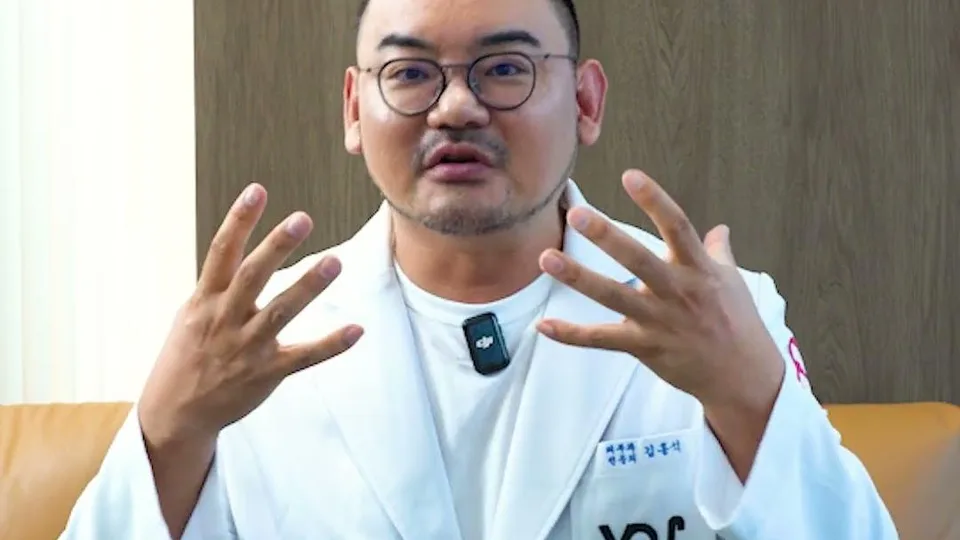
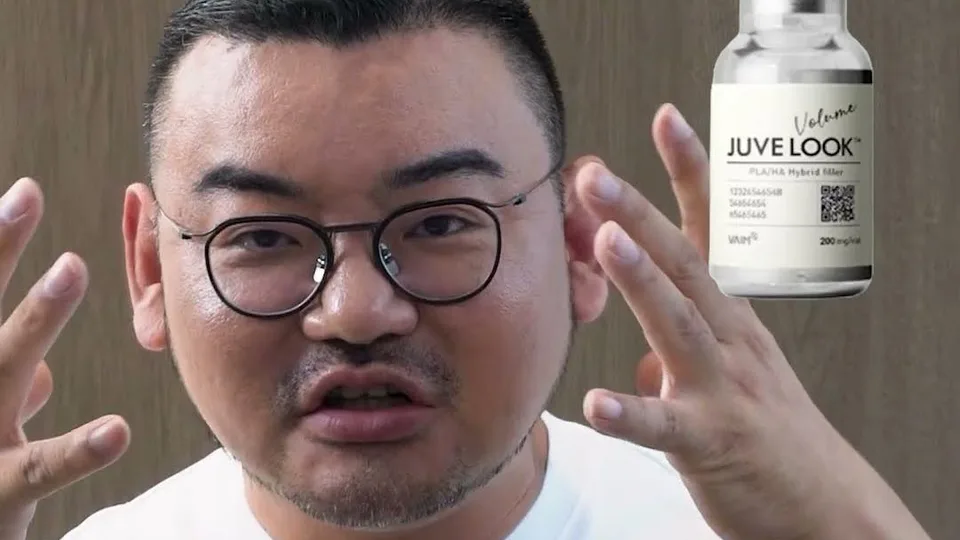
I answer the questions patients ask me on camera. The YouTube channel is in Korean with English titles; Instagram and TikTok are for international patients.

Questions readers ask about dr korea pdrn
Is Rejuran the same thing as PDRN?
Can I buy PDRN products at a Korean pharmacy instead of getting injections?
How many Rejuran sessions do I need?
How soon can I fly after a PN skin booster?
Who should not have salmon DNA injections?
Results, timing and recovery vary from person to person. This article is general information from VOS Dermatology Clinic and does not replace an in-person consultation. Any prices mentioned are from the clinic’s official price list (KRW, before VAT) and may change.

PDRN in Korea for Dry Skin: What Helps and What to Pair
PDRN in Korea for dry skin: dryness vs dehydration, where salmon DNA helps, when hyaluronic acid works faster, and listed prices. VOS Dermatology, Gangnam
Korean HIFU vs Ultherapy: What Differs and What to Ask
Korean HIFU explained by a dermatologist: how focused ultrasound lifts, how generic HIFU differs from Ultherapy imaging, what to ask. VOS Dermatology, Gangnam.
PDRN eye drop Korea: five mix-ups about drops, serums and PN
PDRN eye drop Korea: what a dropper serum can do for under-eye skin, what belongs in the eye, and how PN injections are different. VOS Dermatology, Gangnam