
PDRN eye drop Korea: five mix-ups about drops, serums and PN
PDRN eye drop Korea: what a dropper serum can do for under-eye skin, what belongs in the eye, and how PN injections are different. VOS Dermatology, Gangnam


“PDRN eye drop Korea” can point to two very different bottles: a dropper serum for the skin around your eyes, or a medicine made to go into the eye itself. Only the second belongs inside the eye, and the label on the box tells you which one you're holding. If your worry is putting something you can't fully read into or near your eyes, that instinct is worth following. I'm Dr. Hongseok Kim, a board-certified dermatologist with 21 years in practice; I treat the skin around the eyes, not the eye itself, and I do my own consultations and injections.
PDRN and its relative PN are fragments of DNA, usually purified from salmon, and both have been studied for skin repair. Rubbed on as a serum they mostly work at the surface; injected, as with the PN in Rejuran Eye, they're placed into the skin under the eye. Dry, gritty or red eyes are a job for an ophthalmologist or a pharmacist.
If it's the skin under your eyes you care about, send a daylight photo of that area without makeup on WhatsApp, along with a photo of the label of any PDRN product you already use. Ask one thing: is this a skin problem, or something an eye doctor should see first? You'll hear what's realistic before you book a treatment.
Clinic address: 806 Eonju-ro, Gangnam-gu, Seoul, South Korea (1F–4F) — in front of Dosan Park
Send a photo of your under-eye skin or product label on WhatsApp
1. Is a PDRN eye drop meant to go in your eye?
Usually not. ‘Drop’ on most PDRN skincare describes the dropper, and ‘eye’ describes where you apply it: the thin skin under and beside the eye. A product designed to be put into the eye is a medicine, and its packaging gives directions for use in the eye. If the box doesn't say that clearly, treat it as skincare and keep it outside the lash line.
| What the label says | What it usually is | Where it goes |
|---|---|---|
| PDRN serum, ampoule or eye cream | A cosmetic | On the skin around the eye, outside the lash line |
| PN injection for the eye area, such as Rejuran Eye | A doctor-administered injectable | Into the skin under the eye, by a doctor |
| Eye drop with directions for use in the eye | A medicine | Into the eye, as the label or your eye doctor says |
Worth knowing: If a skincare serum runs into your eye, rinse it with clean, lukewarm water for several minutes. Stinging that lasts, blurred vision, or redness that hasn't settled by the next day is a reason to see an eye doctor, in Seoul or at home.
2. Are PDRN and PN the same thing?
They're related, and the labels often blur them. Both are chains of nucleotides, the building blocks of DNA. A 2025 review in Pharmaceutics comparing the two describes PN as longer DNA fragments that form a viscous, water-holding gel, which is why it improves hydration and acts as a support structure, and PDRN as shorter fragments that act on adenosine receptors involved in wound healing. The same review notes that no agreed size cut-off separates them and that the terms are often used interchangeably.
That's how a cream and an injection end up sounding like the same thing in a shopping video. The Rejuran line I use is PN. Rejuran Eye is formulated for the under-eye area, to work on fine lines, elasticity and skin quality there. Rejuran HB+ adds hyaluronic acid and the local anesthetic lidocaine for more hydration and less discomfort during the injections.

3. Can a PDRN serum do what an injection does?
Not in the same way. Skin is built to keep large molecules out, and a paper in Experimental Dermatology set out the ‘500 Dalton rule’: compounds much heavier than about 500 daltons pass through healthy skin poorly. DNA fragments are far larger than that. So a PDRN serum mostly stays in and on the outer layers, where it can help hydration and the feel of the skin, while an injection places the material in the dermis.
That doesn't make serums pointless. For dryness and a tired-looking surface, a good moisturizer does useful work, and I've written about which PDRN products help dry skin and what to pair them with. It does mean a cream bought on a Seoul shopping trip won't give the change people expect after watching injection videos.
4. Is every dark circle the same problem?
No. Under-eye darkness has several causes that look alike in a bathroom mirror. Brown pigment, thin skin showing the vessels beneath, a hollow that casts a shadow, and puffiness each call for something different. PN injections are generally aimed at the thin, crepey kind of skin, while pigment behaves more like the patches I describe in melasma treatment and why it relapses, and a hollow is a volume question.
Redness and stinging around the eyes, especially if your skin reacts to many products, points somewhere else again. Sensitive, flushing skin has its own approach, which I've laid out in what helps redness and rosacea in Seoul. Putting a new PDRN serum on skin that's already irritated can make the stinging worse.

5. One session isn't the whole treatment
The standard Rejuran protocol is three sessions about a month apart, with results typically lasting more than six months; individual outcomes vary. On a single trip you'll usually fit one session, so think of a first visit as a start, with the next two on a later trip or with a dermatologist near home. Squeezing the sessions into one week isn't how the protocol is designed.
If you plan to continue at home, keep the product name and the amount from each session on your phone. A dermatologist who picks up the second or third session needs to know what was already injected and where.
How I approach the skin under your eyes
Every skin is different, and the diagnosis has to come before the product. Under the eyes that matters a great deal, because thin skin, pigment and hollows can sit side by side in one face. Then I choose the injectable or the device for your face, not a fixed package.
I keep doses exact: what your skin needs, never more and never less. Around the eyes that also means leaving the area alone when the problem isn't the skin. If you're weighing other options for the same trip, the full menu of Korean skin treatments in Seoul lays them out side by side.
Doctor's note
If your eyes themselves are dry, gritty or red, I'd want an eye doctor to see them before anyone injects near them. The dryness won't improve from anything I put under the skin, and you'd be rubbing the area through the healing days. Treat the eye first; the skin can wait a trip.

Risks and side effects to know
Topical PDRN products are generally mild, but any new product near the eyes can cause stinging, redness or an itchy rash, especially on skin that reacts easily. Try it on a small patch of your jaw or inner arm for a few days before you put it under your eyes.
For injected polynucleotides, a systematic review in the Journal of Cosmetic Dermatology concluded that side effects were generally mild and transient. Under the eyes, where the skin is thin, small raised bumps and bruising are the effects most likely to still show a few days later. Infection is uncommon but possible with any injection, and a lump that grows or hurts after a few days needs to be seen.
Injections are usually postponed during pregnancy or breastfeeding, with an active infection or eczema flare around the eyes, or soon after eye surgery; tell us about any of these. Whether a treatment suits your under-eye skin is decided at the in-person exam.

Before you message us
If your search started with “PDRN eye drop Korea” and ended with a question about the skin under your eyes, send a photo of the label of the product you're considering on WhatsApp (wa.me/821096974628), together with the dates you'll be in Seoul. Ask whether it belongs in your plan for the trip at all. Results vary from person to person, and we're closed on Wednesdays, Sundays and public holidays, so plan your visit around those days.
See me explain it on video
I answer the questions patients ask me on camera. The YouTube channel is in Korean with English titles; Instagram and TikTok are for international patients.

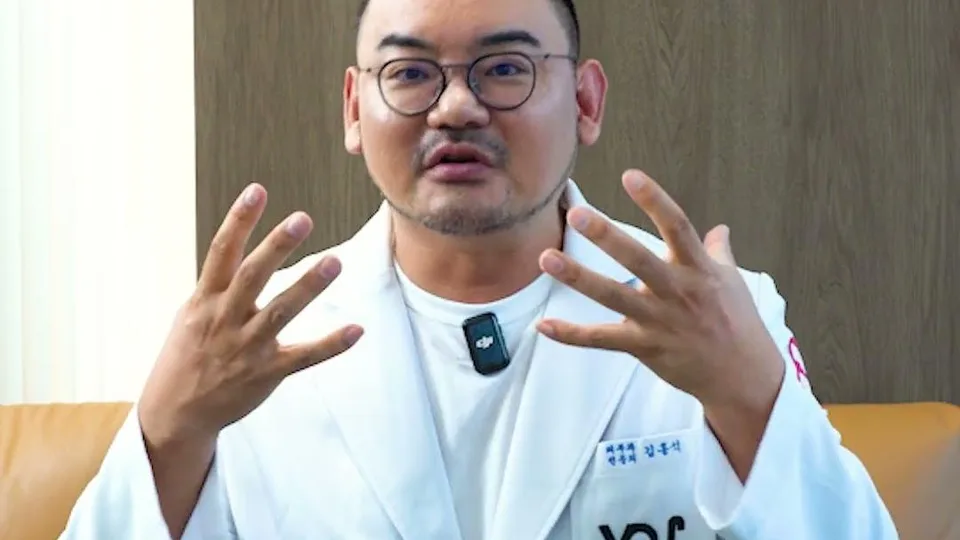
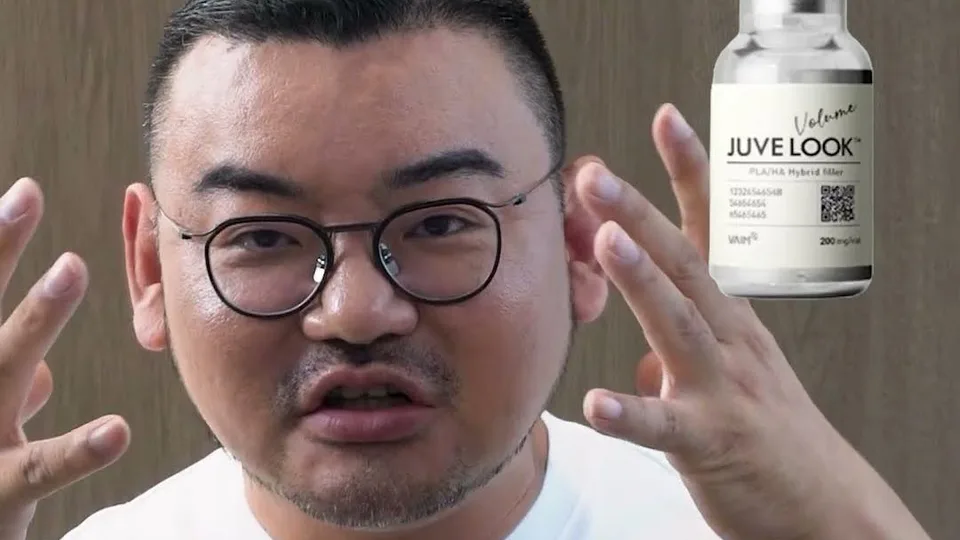
Questions readers ask about pdrn eye drop korea
Can I buy PDRN products at a Korean pharmacy?
Does an under-eye PN injection hurt?
Can I use my PDRN serum after an injection?
Can I fly home after an under-eye injection?
Are PDRN eye patches different from serums?
Results, timing and recovery vary from person to person. This article is general information from VOS Dermatology Clinic and does not replace an in-person consultation. Any prices mentioned are from the clinic’s official price list (KRW, before VAT) and may change.

PDRN in Korea for Dry Skin: What Helps and What to Pair
PDRN in Korea for dry skin: dryness vs dehydration, where salmon DNA helps, when hyaluronic acid works faster, and listed prices. VOS Dermatology, Gangnam
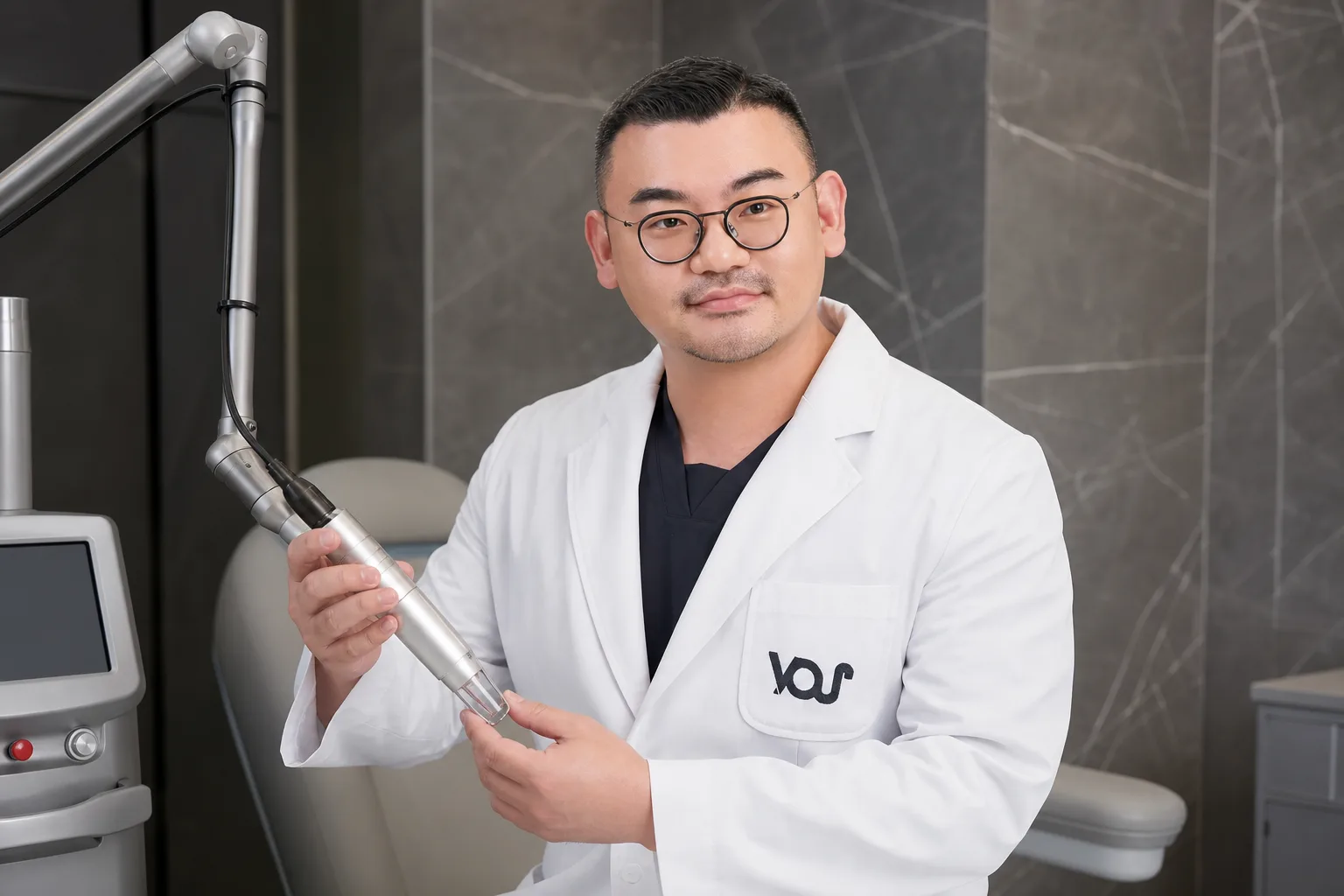
Korean Melasma Treatment: Lasers, Relapse and Real Timelines
Korean melasma treatment explained: why melasma returns, gentle lasers vs creams and tablets, what one Seoul trip can do — VOS Dermatology, Gangnam.
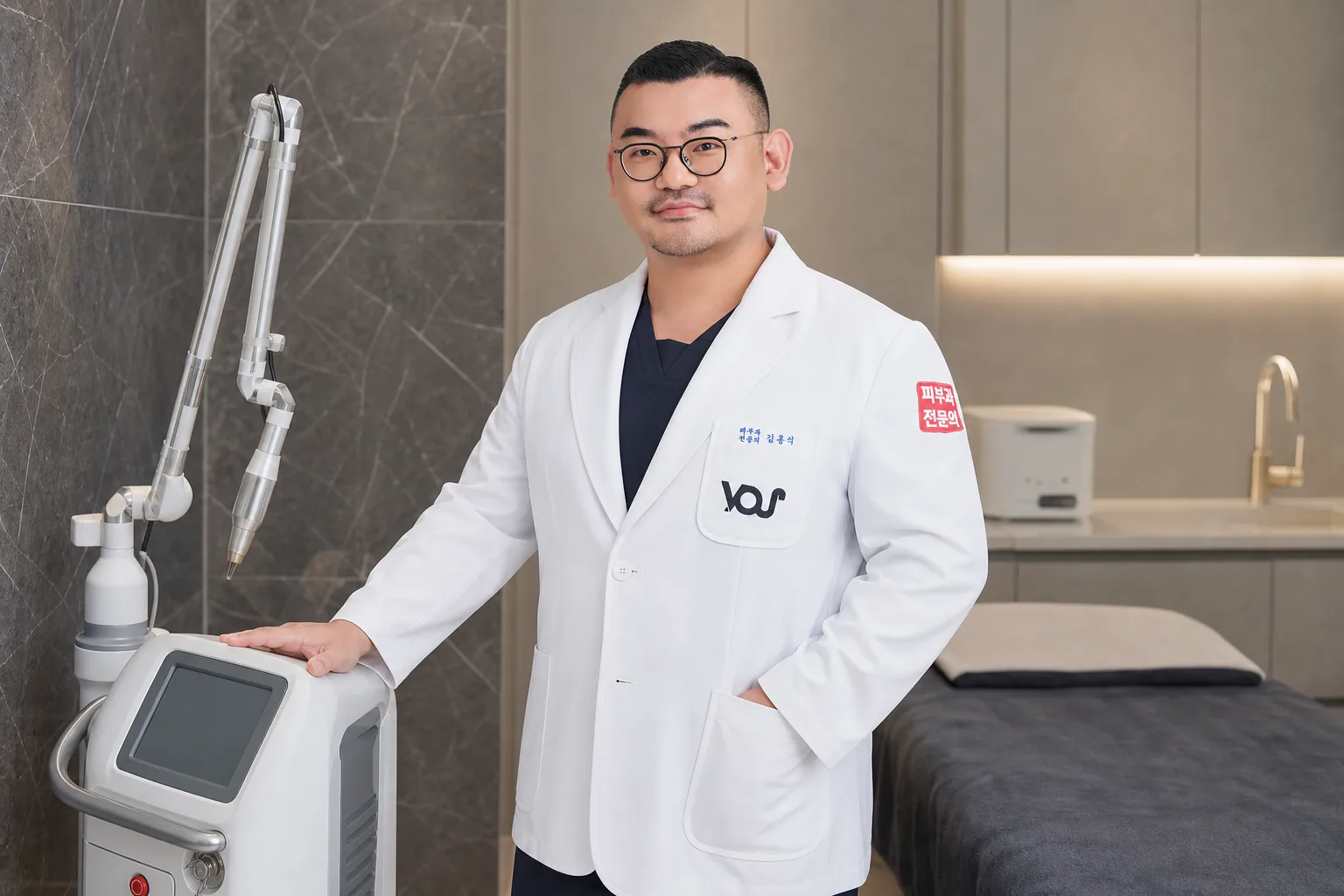
Korean Rosacea Treatment: What Helps Redness in Seoul
Korean rosacea treatment explained: types, triggers, creams, vascular lasers and what one trip can realistically do for redness — VOS Dermatology, Gangnam.