
Why Korean Skin Is So Good: A Seoul Dermatologist's View
Why Korean skin is so good: what genetics explain, which daily habits matter more, what it struggles with, and what visitors can copy. VOS Dermatology, Gangnam

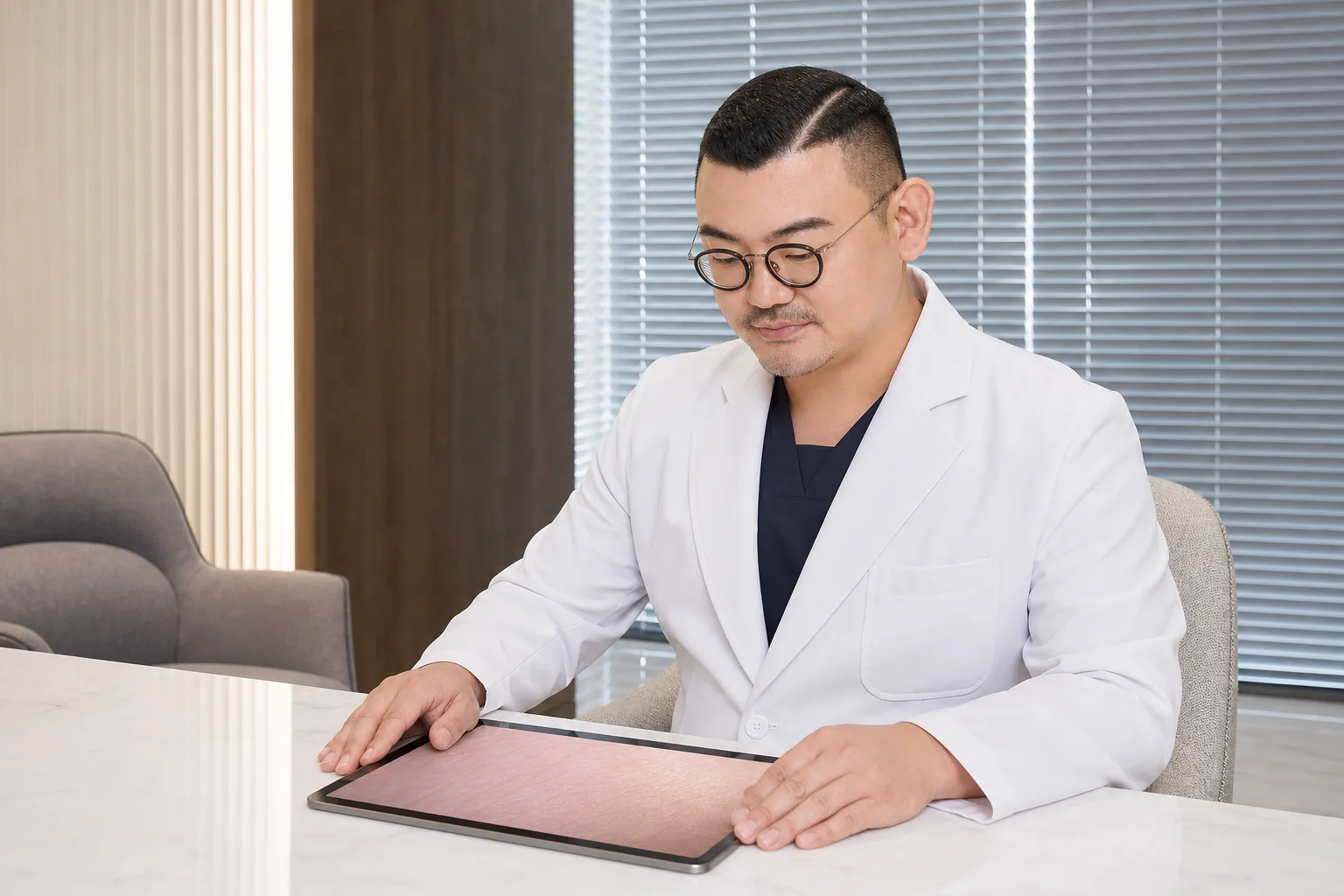
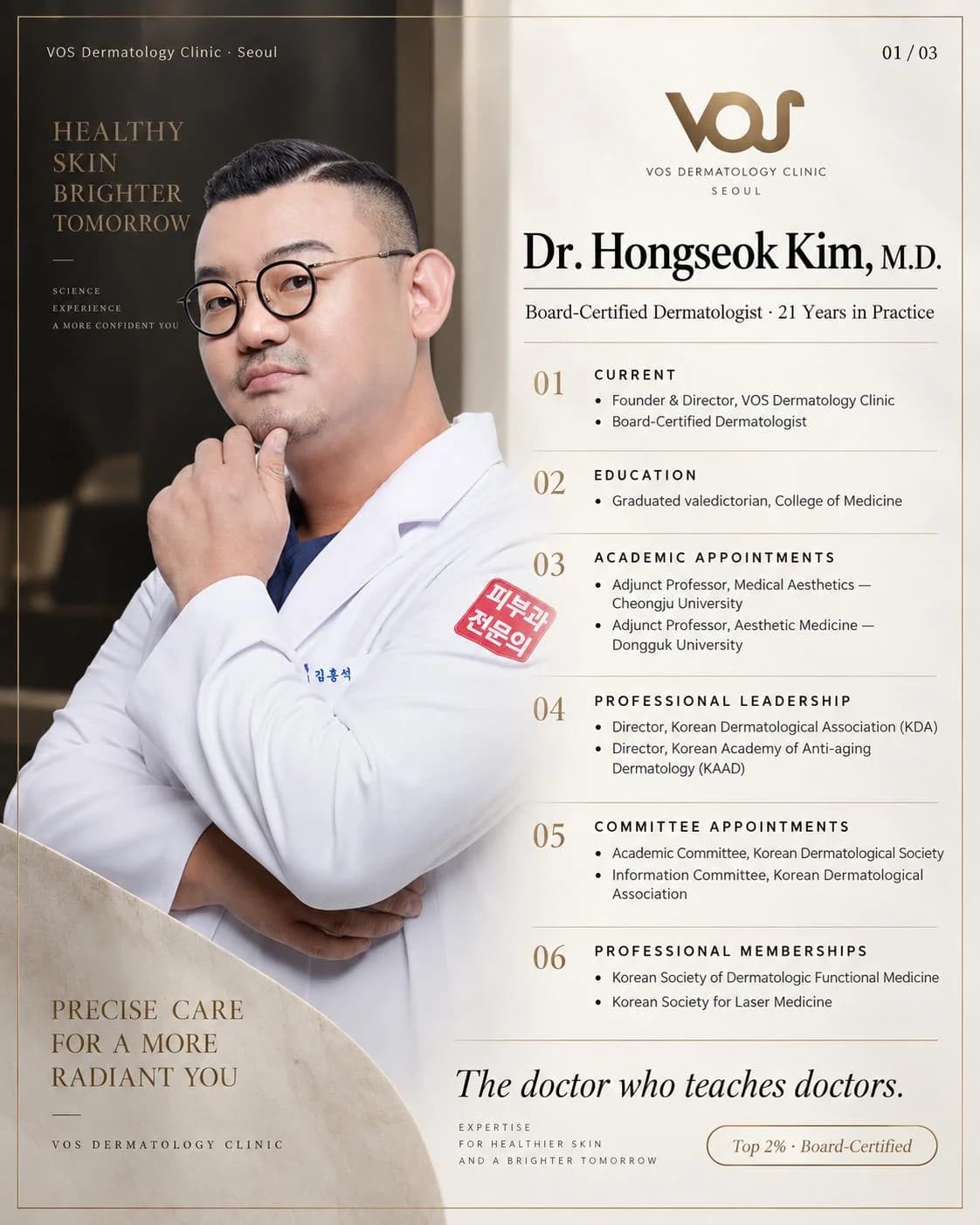
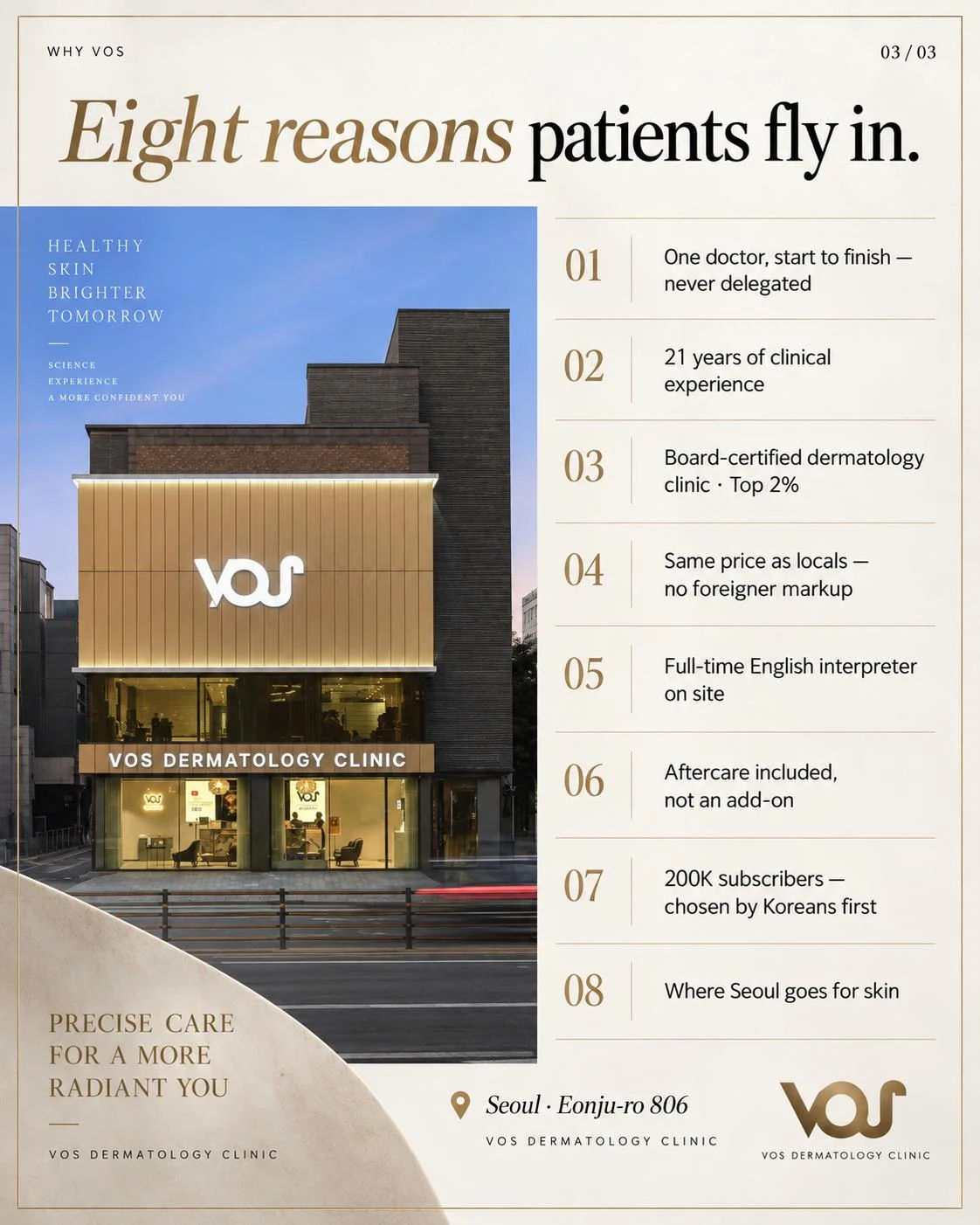
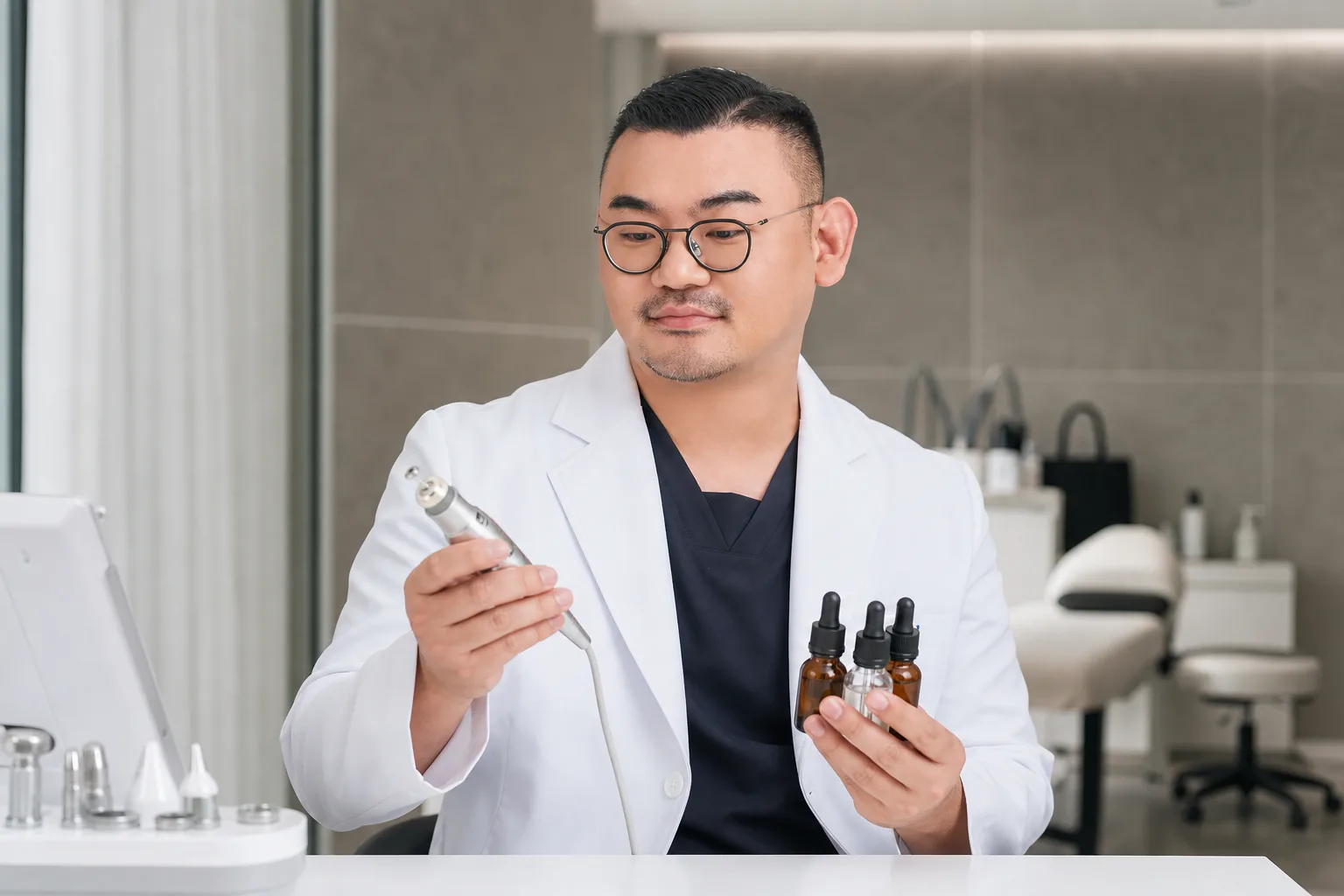
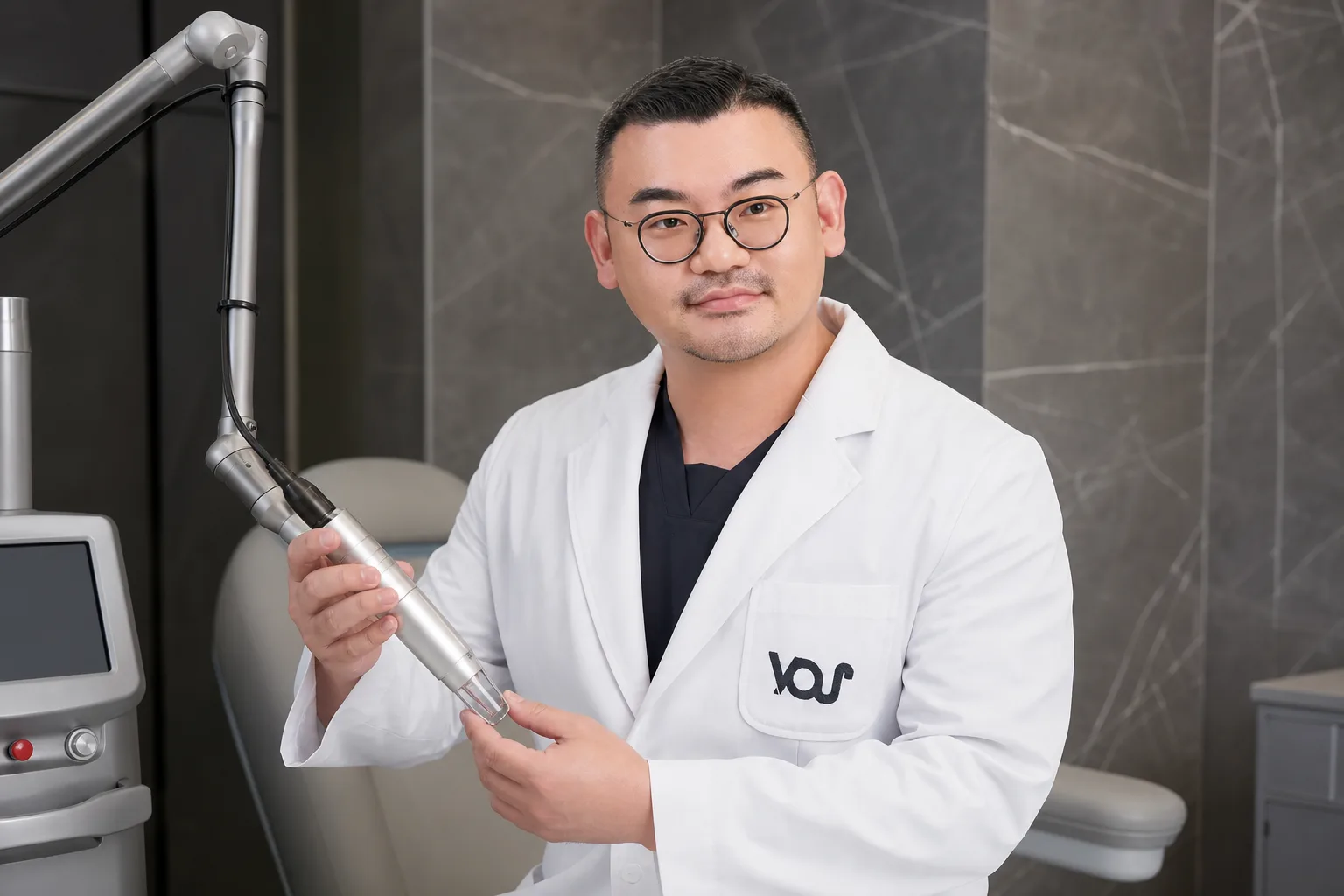
My name is Dr. Hongseok Kim. I am a board-certified dermatologist with 21 years in practice, and at VOS Dermatology Clinic in Gangnam I handle each patient personally, from the consultation through the treatment, one person at a time. Visitors from abroad ask me some version of this question more often than almost anything else, usually while sitting in my chair: why does skin in Seoul look so good?
The honest answer to why Korean skin is so good is that genetics explain only part of it. Most of what people notice comes from habits: careful sun avoidance, gentle rather than aggressive skincare, and treating dermatology as routine maintenance instead of a last resort. This article is for adults abroad who want to separate the myth from what actually works, and to know which parts they can copy. If you are mainly interested in the glow itself and which treatments build it, my guide to glowing skin, Korean style covers that side in detail.
I will also be honest about what Korean skin struggles with, because good skin here is not effortless.
Is it genetics? Partly, and less than people think
Many Koreans have skin with a moderate amount of melanin, darker than very fair skin and lighter than deeply pigmented skin. In general terms, more melanin gives some natural protection against UV. Studies suggest that visible sun damage, such as fine wrinkling and loss of elasticity, tends to appear later in more pigmented skin than in very fair skin.
That is a real advantage, but it comes with a trade-off. The same skin type tends to react to injury and inflammation by making pigment. A pimple, a burn or an irritating product can leave a brown mark that lasts for months. Melasma is also common.
So genetics give a head start against wrinkles, and a disadvantage with pigment. Neither explains the clear, even skin people admire. That comes mostly from what happens every day.
Sun avoidance is a daily habit, not a beach habit
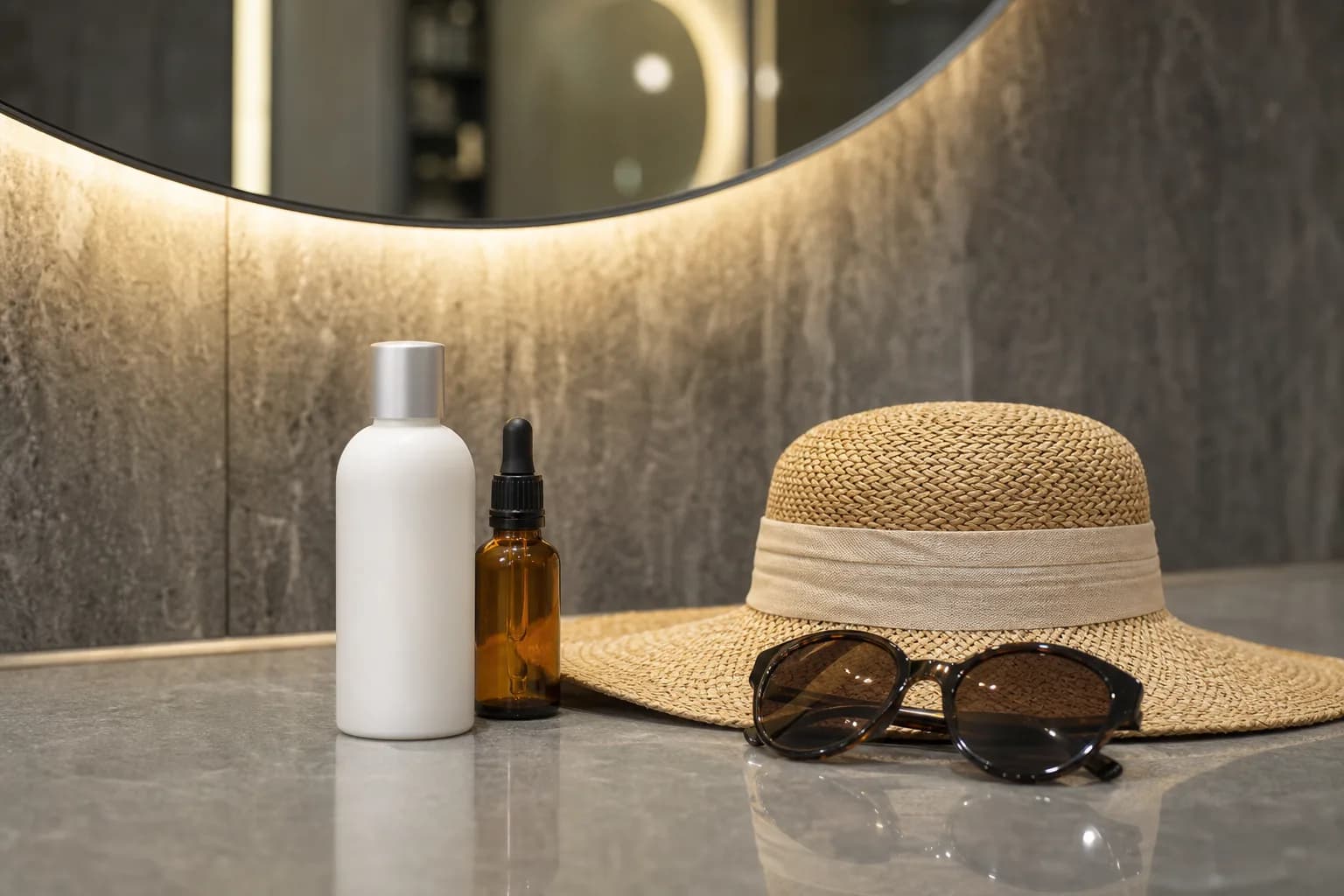
If I had to name one reason, it would be this. In Seoul, sun protection is an everyday habit, not something saved for holidays. Sunscreen in the morning is ordinary. Hats, umbrellas on sunny days, and choosing the shady side of the street are common.
Sun protection here also covers the hours people forget. A commute on foot, lunch outside, a drive with sun through the side window. None of these feels like sun exposure, but over years they add up, and that is where daily habits make the difference.
The effect is cumulative. In general, UV exposure accelerates collagen breakdown, darkens existing pigment and weakens the barrier. Skin that has been protected for decades simply has less damage to show. When I examine visitors from sunnier countries, much of what they want to fix, such as uneven tone, rough texture and early lines, is sun damage.
This is also the habit that protects any treatment. A booster or laser builds something; daily UV takes it apart.
Gentle skincare, not more skincare
The famous ten-step routine is a marketing image more than a medical reality. What I see in people with good skin is not the number of steps but how gentle and consistent those steps are.
The pattern is simple. A mild cleanser that does not leave the face tight. Light layers of hydration rather than one heavy cream. Few strong active ingredients, introduced slowly. And no daily scrubbing.
Many patients from abroad arrive with the opposite habits: strong acids, frequent exfoliation and several powerful serums at once. Their skin is often dull and reactive, not because it lacks products, but because the barrier never gets a chance to recover. A calm barrier holds water better, looks smoother and reflects light more evenly.
Dermatology as routine maintenance
In Seoul, dermatology clinics are easy to reach, and many people visit one the way they would see a dentist: for maintenance, not only when something goes wrong. Small concerns are treated early, with small interventions.
That changes the long-term picture. A few pigment spots treated early are easier to manage than years of accumulated pigment. Early dryness supported with a hydrating booster is a smaller task than rebuilding texture later. The aim is to keep the skin in good condition, not to rescue it.
There is a quieter benefit, too. When people see a dermatologist regularly, they get honest feedback on their routine. A product that is irritating the skin gets stopped early, before it causes months of redness or brown marks. That kind of correction rarely happens when the only advice comes from advertising.
The skin boosters used for this kind of maintenance work in the dermis, below where creams reach. I compare the different booster families in my Korean skin boosters guide.

What Korean skin struggles with too
It would be misleading to suggest skin here has no problems. The three concerns I see most often in local patients are pigment, sensitivity and pores.
- Melasma and pigment spots. Pigment-prone skin darkens easily with sun, heat and irritation. It needs careful, patient treatment.
- Marks after acne or irritation. Brown marks can outlast the original spot by months.
- Sensitivity and redness. Some people over-treat and develop a reactive barrier.
- Enlarged pores and oiliness. Common in humid summers and difficult to change with products alone.
For melasma in particular, the wrong energy can make it worse, which is why I explain the approach carefully in my article on Korean melasma treatment. The good skin people see in Seoul is often skin whose problems are being managed, not skin without problems.
Worth knowing: Copying a Korean routine product for product rarely works, because the products were chosen for a particular skin type and climate. Copy the principles instead: protect from the sun, keep the barrier calm, and treat small problems early.
What visitors can borrow, and what they cannot
Some parts of the picture travel well. Others depend on skin type or circumstance. This table is how I usually explain it.
| Habit or factor | Why it matters | Can you copy it? |
|---|---|---|
| Daily sun protection | Slows collagen loss and pigment | Yes, and it matters most |
| Gentle, consistent routine | Keeps the barrier calm and hydrated | Yes, with products that suit your skin |
| Few strong actives | Less irritation, fewer marks | Yes |
| Early, small treatments | Prevents problems from accumulating | Yes, wherever you see a dermatologist |
| Moderate melanin | Some natural UV protection | No, but sunscreen narrows the gap |
| Pigment tendency | Higher risk of marks and melasma | It depends on your own skin type |
If you want the practical sequence for building a clear, glassy look, including what to stop doing first, I set it out step by step in my guide on how to get Korean glass skin.
How I approach this at VOS
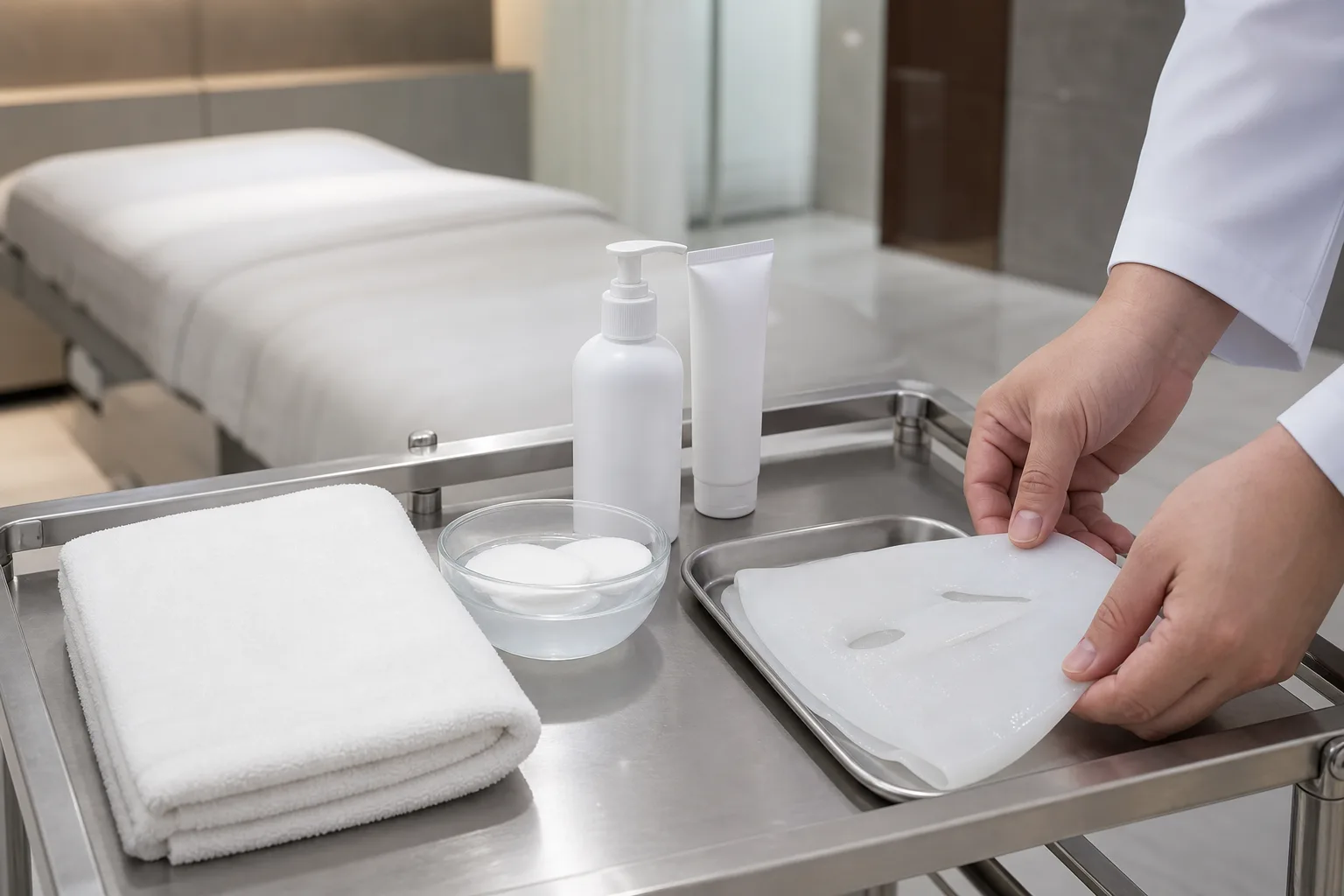
When someone asks me why skin here looks so good, my real answer is a question back: what is your skin missing? I examine you in person and use our 3D skin analysis together with VOS Skin MBTI, a questionnaire-and-analysis method that reads how your skin tends to behave. Two people with the same concern often leave with different plans.
If dehydration is the main gap, I may suggest HILO WAVE, a hyaluronic acid biostimulator; deep dryness and glow typically improve from the next day. If the barrier is weak or red, Rejuran, a polynucleotide booster, usually comes first. If pigment is the issue, the plan is about pigment, not glow.
For reference, HILO WAVE 2 mL is listed at ₩600,000, Rejuran Healer 2 mL at ₩400,000, and the Melasma Treatment Program at ₩800,000 (listed down from ₩1,100,000). All prices are in KRW before 10% VAT, the same for every nationality, and may change without prior notice; the current list is on our pricing page. Results vary from person to person.
Before you message us
The FAQ above answers the questions I hear most. The most useful thing you can send is a clear daylight photo of your face without make-up, a few lines about your current routine and sun habits, and your travel dates. With that, I can tell you which part of your skin seems to need attention first. The clinic is in front of Dosan Park and is closed on Wednesdays, Sundays and public holidays.
Results, timing and recovery vary from person to person. Nothing here replaces an in-person consultation with a dermatologist.
Send your photo, your routine and your dates on WhatsApp, and our team will reply with a clear plan before anything is scheduled.
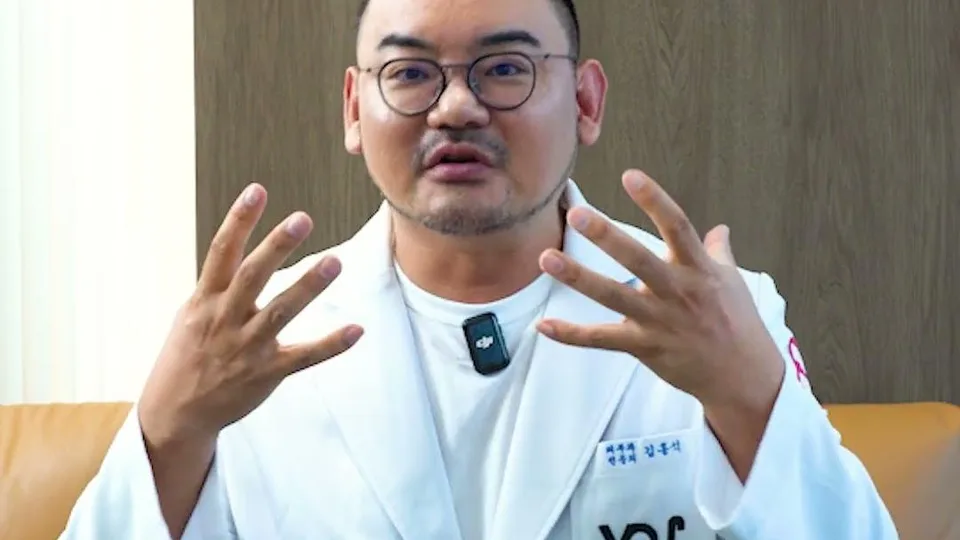
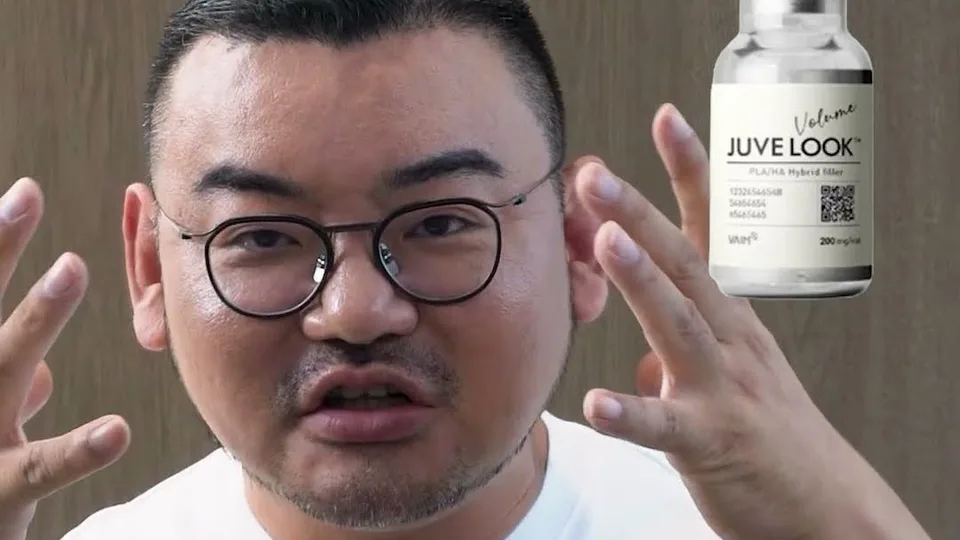
See me explain it on video
I answer the questions patients ask me on camera. The YouTube channel is in Korean with English titles; Instagram and TikTok are for international patients.

Questions readers ask about why korean skin is so good
Is good Korean skin mostly genetic?
Do Koreans really use ten skincare steps?
Can I get Korean-looking skin if I am not Korean?
Why do so many people in Seoul visit dermatologists?
What is the first thing I should change to improve my skin?
Results, timing and recovery vary from person to person. This article is general information from VOS Dermatology Clinic and does not replace an in-person consultation. Any prices mentioned are from the clinic’s official price list (KRW, before VAT) and may change.
Related articles
Glowing Skin Korean Style: A Dermatologist's Honest View
Glowing skin, Korean style: what creates the glow — hydration, an even surface, a calm barrier, sun care — and which boosters help. VOS Dermatology, Gangnam
Korean Melasma Treatment: Lasers, Relapse and Real Timelines
Korean melasma treatment explained: why melasma returns, gentle lasers vs creams and tablets, what one Seoul trip can do — VOS Dermatology, Gangnam.
Korean Skin Boosters: Types, How to Choose, Seoul Prices
Korean skin booster guide: Rejuran, Juvelook, Juveàcell, HILO WAVE and more — how to choose, how they fit a trip and listed prices at VOS Dermatology, Gangnam.