Is Korean Dermal Filler Different? Myths to Check First
Korean dermal filler can mean a Korean-made or an imported product. A Seoul dermatologist checks five common beliefs, the real risks, and what to ask…


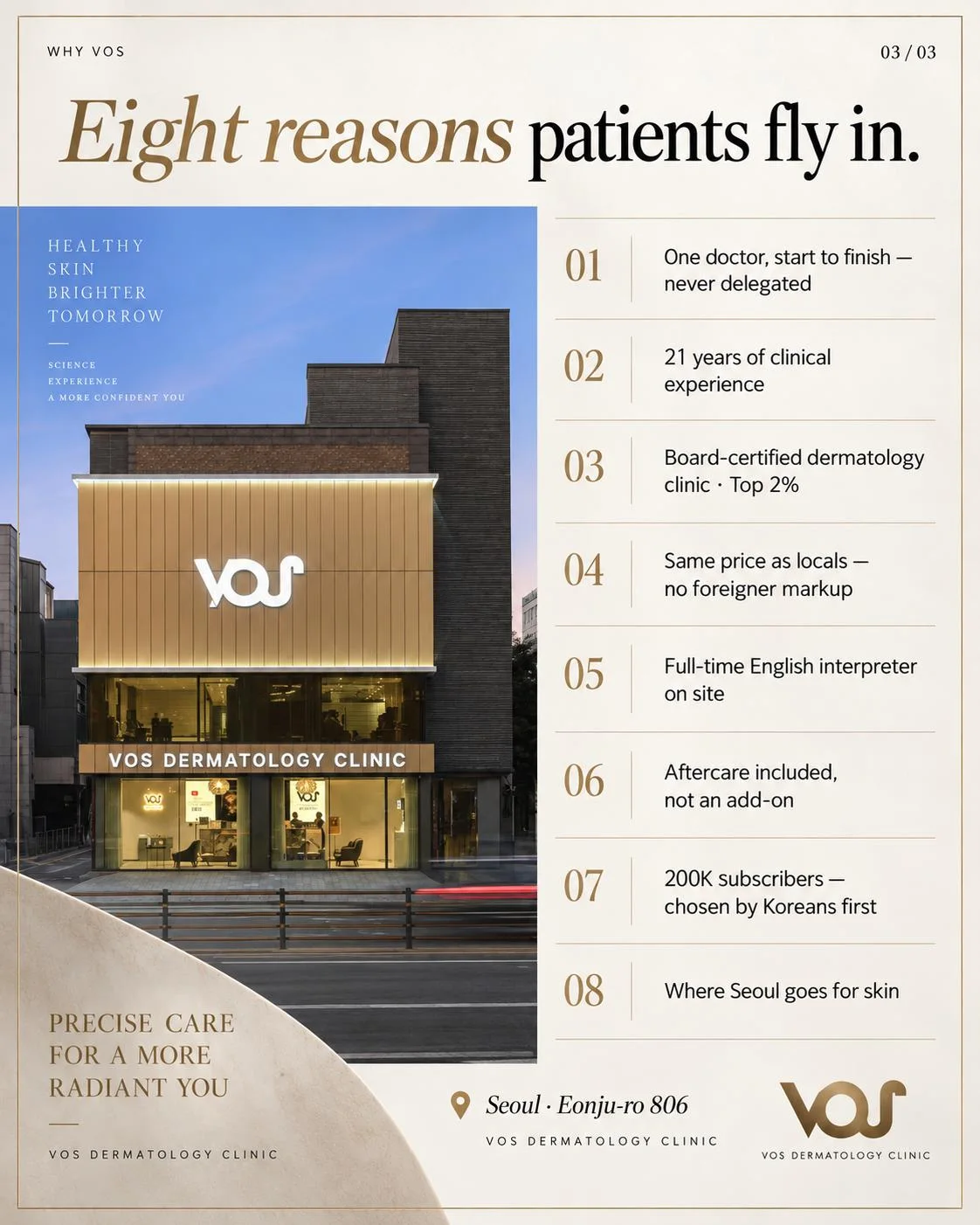
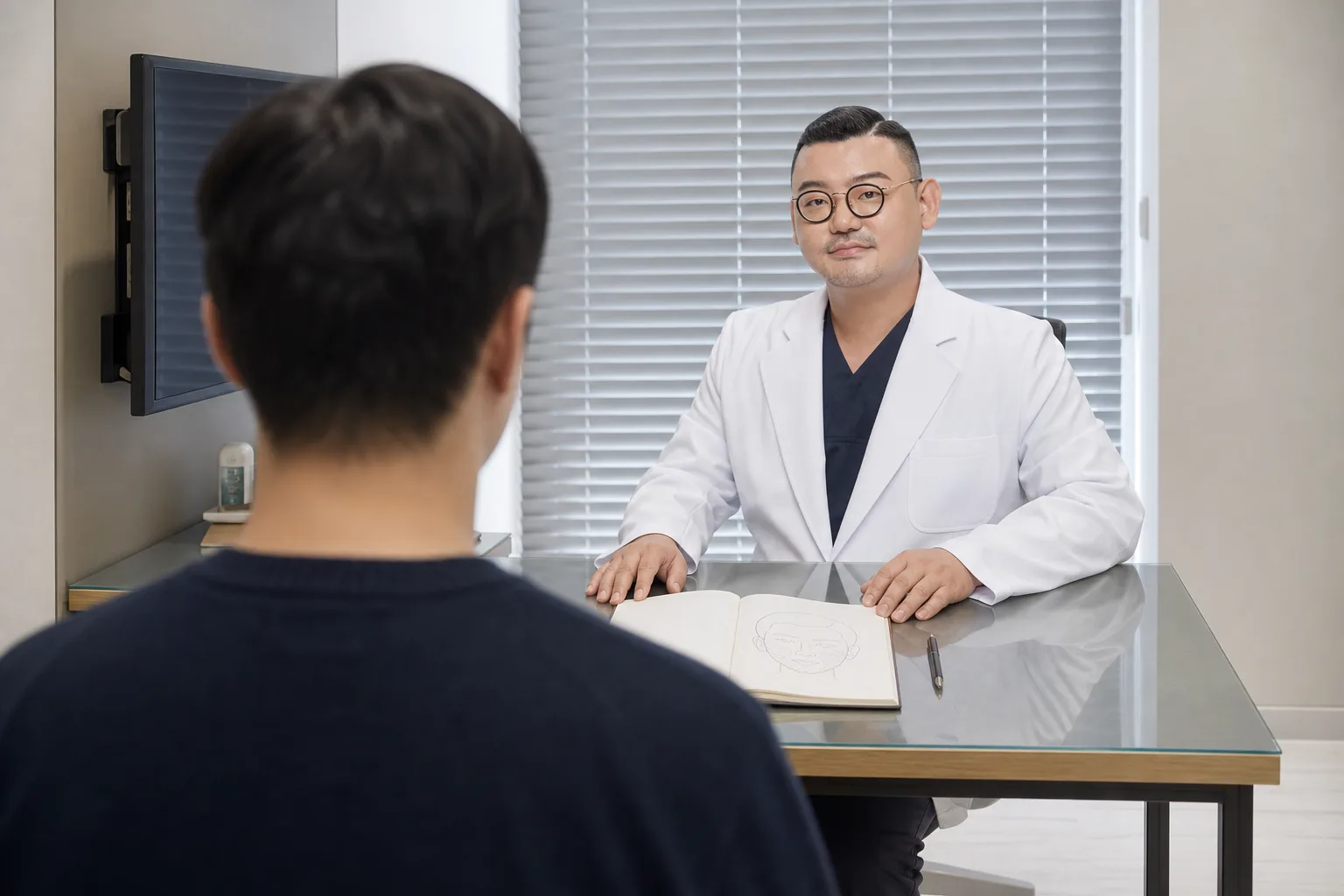
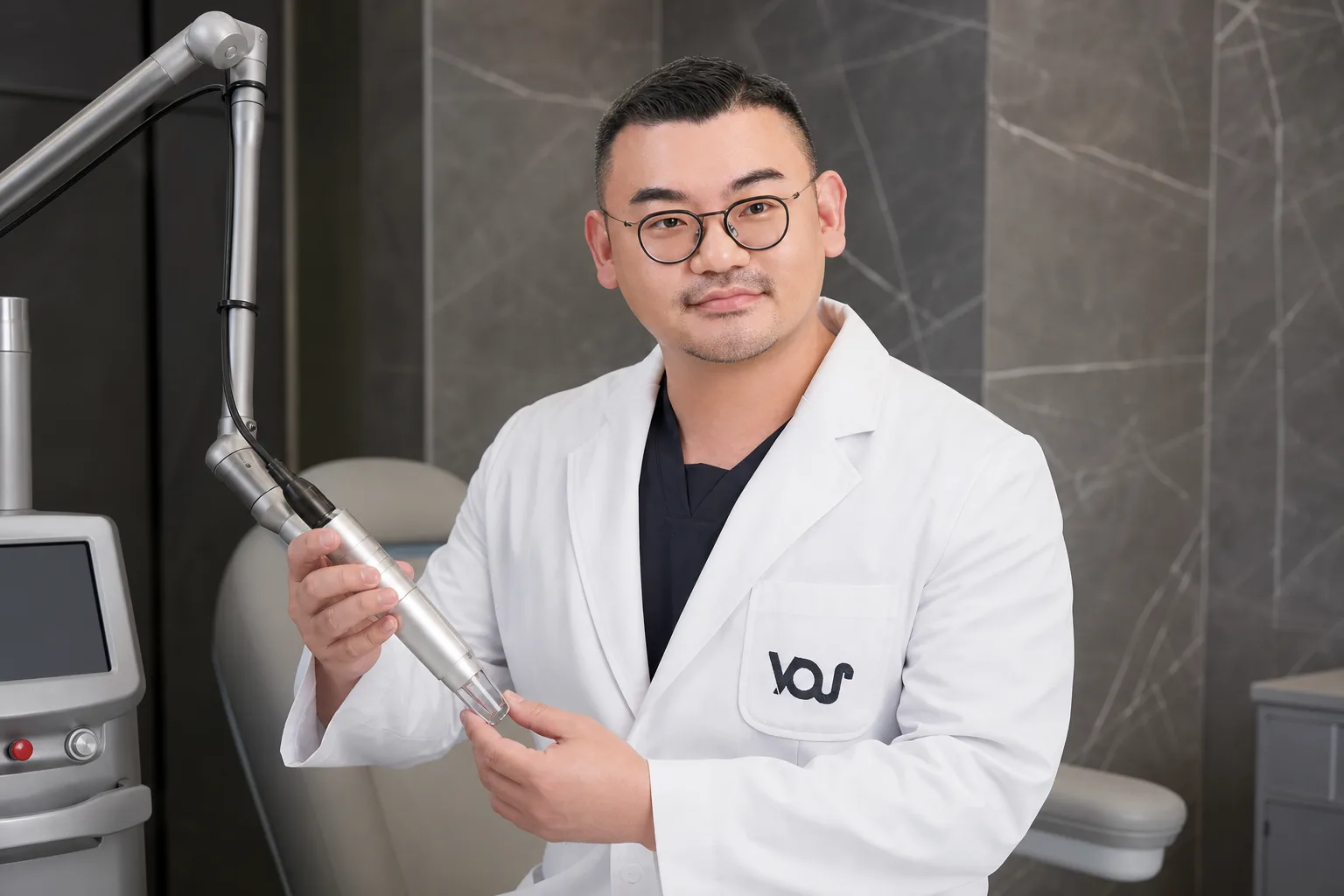
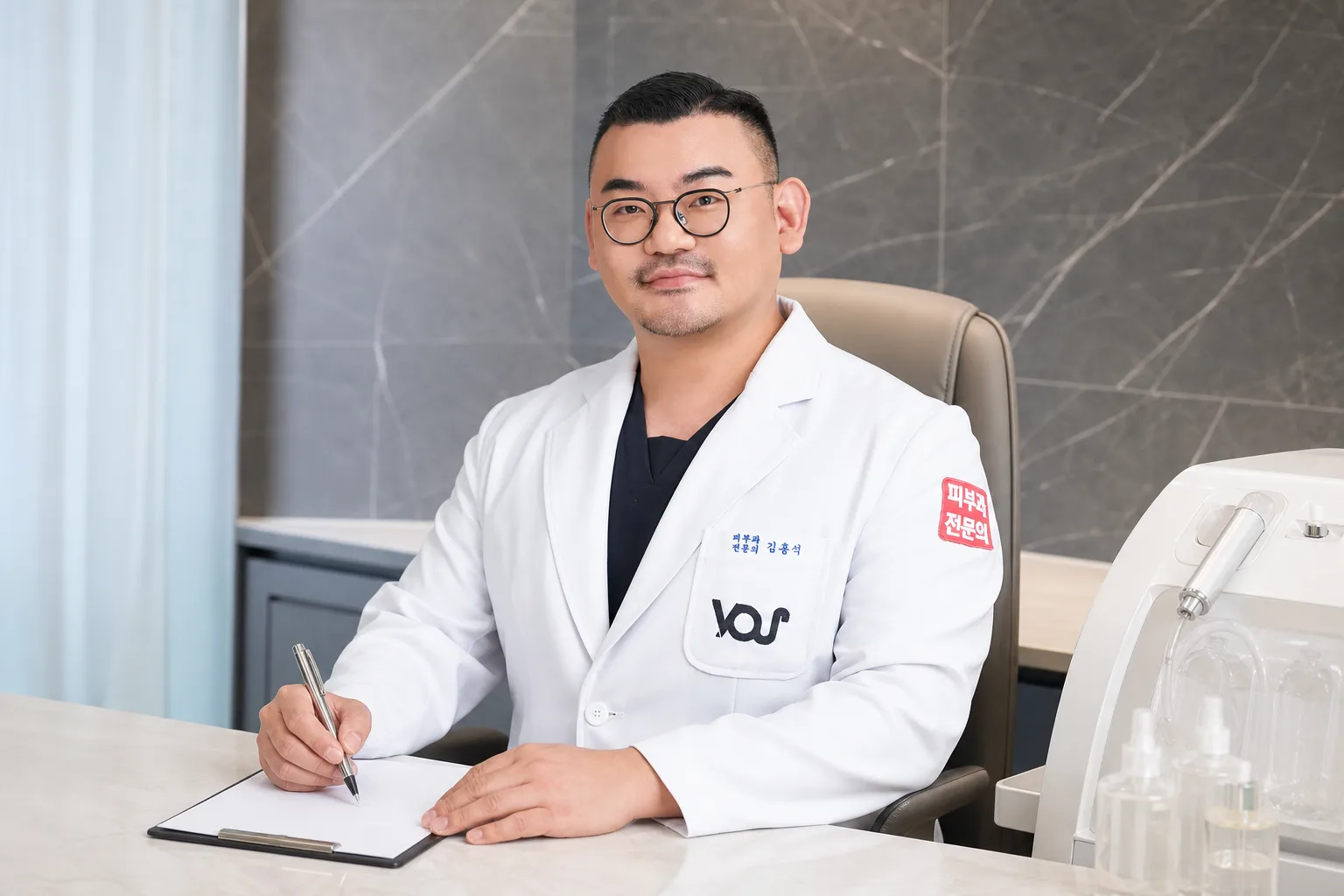
Korean dermal filler is the same class of injectable gel used in other countries, placed by a doctor into or under the skin, so the real differences are the product, the injector and the follow-up. At VOS Dermatology Clinic in Gangnam, one dermatologist performs every procedure, from the first consultation to the injection. A common worry for anyone planning a trip is who deals with a problem once they are back home. I'm Dr. Hongseok Kim, a board-certified dermatologist with 21 years of experience, and I do the procedures myself, so I wrote this to check which beliefs about Korean dermal filler hold up.
In short, “Korean” tells you where the clinic is. It does not tell you which gel is in the syringe, how firm it is or who places it. Before you book flights, get four answers: the product name, the area, the amount, and the name of the person injecting.
Send one photo of the area you are thinking about, plus the dates you could be in Seoul, on WhatsApp.
Send a photo of the area on WhatsApp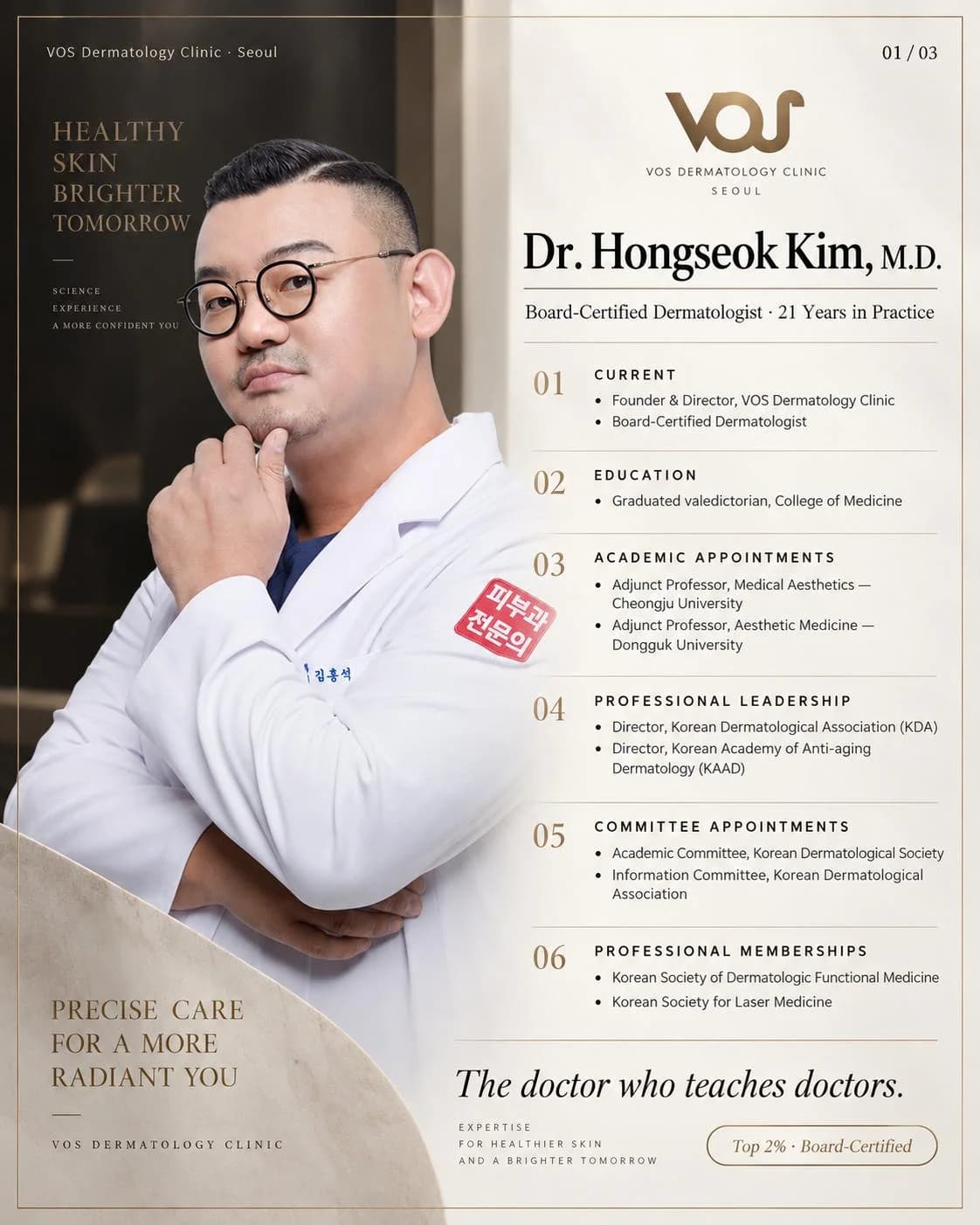
What forum threads leave out about Korean dermal filler
Forum posts about Korean dermal filler are strong on day one and thin on month six. You see a swollen-lip photo, a clinic name and a verdict, but rarely the product, the amount or what happened at the follow-up. A thread also cannot tell you whether the poster had your skin thickness, your anatomy or your starting point.
The searches people type around this topic, such as “lip filler gone wrong” and “vascular occlusion lip filler”, show where the fear sits. Those fears deserve a plain answer. The sections below take the common beliefs one at a time, starting with the one built into the keyword.
Does “Korean” mean a Korean-made product?
Not necessarily. The other brands are not on this clinic's menu, so I won't rate them.
What I can give you is a way to check any product. A product sold in Korea may not be approved in your home country, and the reverse also happens. Korea's Ministry of Food and Drug Safety is the regulator to ask about a specific product name.
Note the name and the amount used before you leave the room, and keep that with your photos for your home doctor. For a side-by-side of the products themselves, read how Korean filler compares with Juvederm.

Five beliefs about Korean dermal filler, side by side
Most of what circulates online falls into five beliefs. The table gives the short verdict and the question that settles each one; the paragraphs after it expand the two that cause the most trouble.
| Belief | What holds | What to ask |
|---|---|---|
| Korean filler is a different product | Sometimes local, sometimes imported | Product name and maker |
| Korean filler always looks subtle | Look comes from gel firmness, amount and placement | Which gel, how much, which layer |
| Filler has no real risks in experienced hands | Rare vessel injuries exist at any skill level | What the plan is if a warning sign appears |
| Filler improves skin quality | It mainly adds volume or support | Whether a skin treatment fits the goal |
| Problems can wait until the next trip | Some signs need same-day care | Who to contact from home |
The “always subtle” belief is the most repeated. A natural look comes from how much gel goes in and where, not from the country. On the VOS menu the Juvederm line runs from soft (Volbella, listed for the sunken under-eye area) to medium (Lift, listed for marionette lines), hard (Voluma, listed for cheeks, temples, forehead and nasolabial folds) and firm (Volux, listed for nose, chin and jawline). Belotero has a matching Soft, Volume and Intense range.
A soft gel in a shallow area and a firm gel along the jaw are different jobs. Restrained results are a style that a doctor can apply with any product, so “how much are we adding at this visit?” is more useful than “is it Korean style?”.
How I approach the choice of gel and area
Doctor's note
A sound rule in injectables is the softest gel that does the job. Thin skin around the eyes, fine lines and shallow hollows suit soft gels. Structural areas such as the chin and jawline suit firmer ones, because a soft gel there tends to spread. I agree with the cautious approach of adding a little and reassessing rather than filling to a target at the first visit. Hyaluronic acid filler can be dissolved with an enzyme called hyaluronidase, but that is a rescue step and not a reason to be casual.
Filler is also the wrong tool for some goals. A flat brown patch on the cheek is pigment, and no volume will change it. If that is your real concern, the post on Korean melasma treatment covers lasers, relapse and realistic timelines. If you want a brighter, smoother surface, the overview of a Korean facial at a dermatology clinic shows what that side of the menu looks like.
Filler and skin treatments can sit in the same plan, but each answers a different question: volume or surface. Treating them as one question is how people end up with a fuller face and the same dull skin.
Lips, nose, temples, shoulders and body: what is on the menu
Searches for Korean dermal filler jump from lips to temples to breasts. The VOS filler menu covers the face areas listed above, namely under-eye, marionette lines, cheeks, temples, forehead, nasolabial folds, nose, chin and jawline, and it includes shoulder filler for the upper-body line. I won't write about lip, breast, body-volume or vaginal filler as services here, because they are not part of what I can describe from this clinic's menu.
The product's approval matters most in those areas. The FDA states that fillers are approved for particular uses, so a claim that a gel can enlarge a body area beyond that approval deserves caution. Ask what the product is approved for and by which regulator, then decide.
If you are comparing clinics for temples or the nose specifically, the same four answers apply: product, area, amount, injector. Those two areas sit close to vessels that matter, which leads straight to the next section.
What can go wrong, and what to do about it
Most side effects are mild and settle by themselves: swelling, bruising, tenderness and small lumps. The rare serious problem is filler entering or pressing on a blood vessel. The FDA lists vessel injury, with vision problems including blindness and stroke, among the rare but serious risks of dermal fillers. Areas near the nose and between the brows are generally treated as higher-risk, which is why anatomy knowledge matters more than the brand name. The post on what board certification means explains the training behind that word.
Warning signs need same-day action: severe or rising pain, skin that turns white, grey or mottled, new headache, or any change in vision. Contact the injecting doctor and go to emergency care straight away, and say that you had filler. Do not wait for your flight.
Worth knowing: Hyaluronidase only dissolves hyaluronic acid fillers. If your gel is a different type, the rescue plan differs, so note the product name before you leave.
Results vary from person to person, and the in-person consultation with Dr. Kim decides whether filler suits your face.
If you already have filler from another country and want to ask about it, send a photo of the area on WhatsApp together with the product name and date if you know them. The English reply tells you whether the area you are asking about appears on the clinic's filler menu and which opening days fit your trip.
Send a photo of the area on WhatsApp
Questions to ask any clinic before you book flights
Use this list at any clinic, including this one. It takes ten minutes to ask and saves the most trouble later.
- What is the product name, and who makes it?
- Is it approved in my home country, and does that matter for this use?
- Which area and how much gel at this visit?
- Who injects, and what is their training?
- What happens if a warning sign appears the night after?
- Can the product name and amount be noted so I can show my home doctor?
- How many open days remain after my appointment?
Risks and side effects to know
The U.S. CDC advises people travelling for a procedure to arrange follow-up care before they go and to ask what happens if complications arise (CDC on medical tourism). Timing matters here. The clinic is open Monday, Tuesday and Thursday 10:00 to 19:00, Friday 10:00 to 20:00 and Saturday 10:00 to 16:00, and closed Wednesday, Sunday and public holidays. An appointment early in your stay leaves more open days to come back if something looks off.
Before you message us
Message the clinic on WhatsApp at https://wa.me/821096974628. Send one photo of the area without makeup, the name and date of any filler you have had before if you know them, and the dates you could be in Seoul. The WhatsApp consultation runs in English.
Results vary from person to person, and nothing in this post replaces an examination of your own face.
See me explain it on video
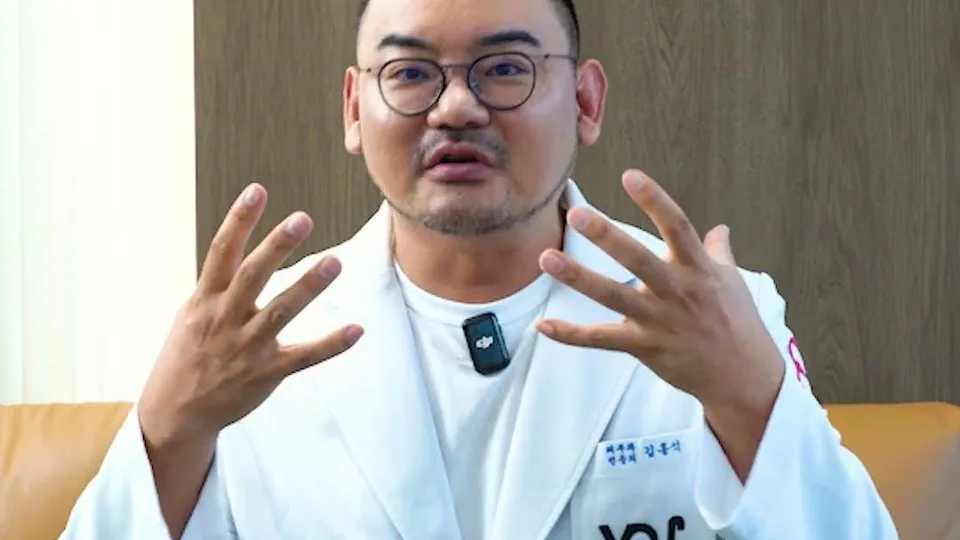
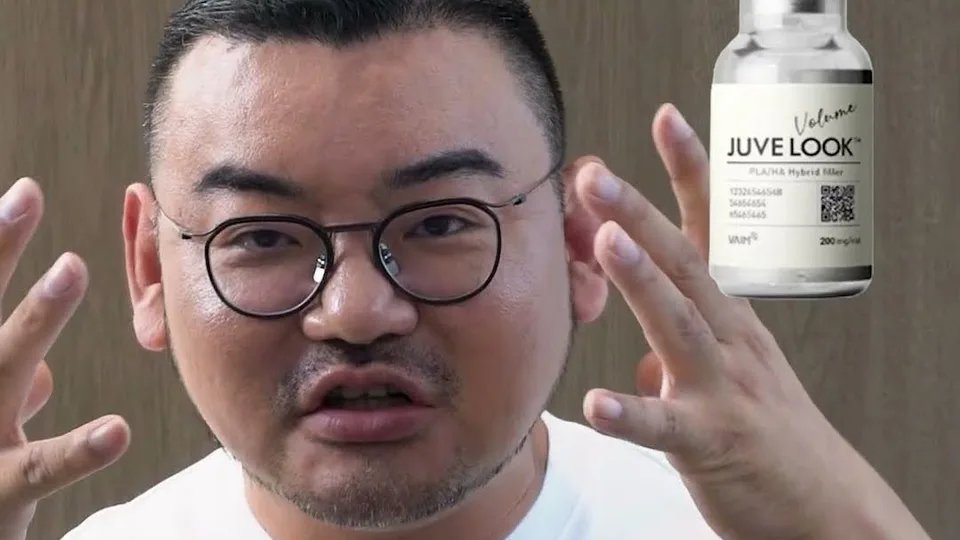
I answer the questions patients ask me on camera. The YouTube channel is in Korean with English titles; Instagram and TikTok are for international patients.

Questions readers ask about korean dermal filler
Is filler used in Korea approved in the United States?
Can I fly home straight after an injection?
Does Korean dermal filler last longer than filler elsewhere?
Which doctor should inject filler?
Results, timing and recovery vary from person to person. This article is general information from VOS Dermatology Clinic and does not replace an in-person consultation. Any prices mentioned are from the clinic’s official price list (KRW, before VAT) and may change.
Korean Filler vs Juvederm: What Differs and What Doesn't
Korean filler vs Juvederm from a dermatologist: how HA gels differ, when brand matters less than placement, and listed filler prices. VOS Dermatology, Gangnam
Korean Melasma Treatment: Lasers, Relapse and Real Timelines
Korean melasma treatment explained: why melasma returns, gentle lasers vs creams and tablets, what one Seoul trip can do — VOS Dermatology, Gangnam.
Korean Facial in Seoul: What a Dermatology Clinic Offers
Korean facial guide: what a Seoul dermatology clinic facial menu includes, HydraFacial to boosters, and how to choose for a trip — VOS Dermatology, Gangnam.