
Skin Analysis Seoul: What a Dermatologist Checks First
Skin analysis in Seoul explained by a dermatologist: what 3D imaging and Skin MBTI show, what scans cannot show, and how to prepare. VOS Dermatology, Gangnam

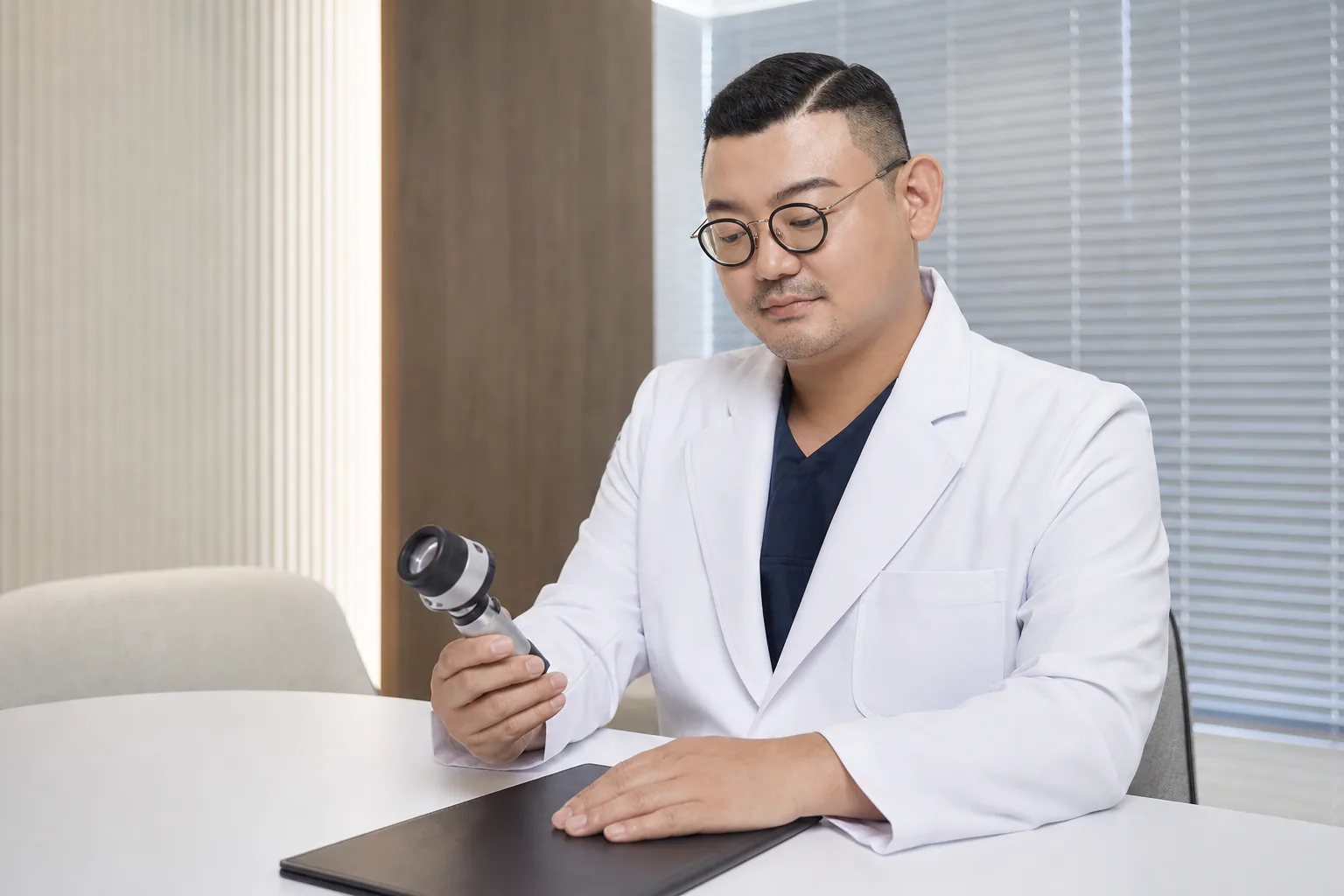
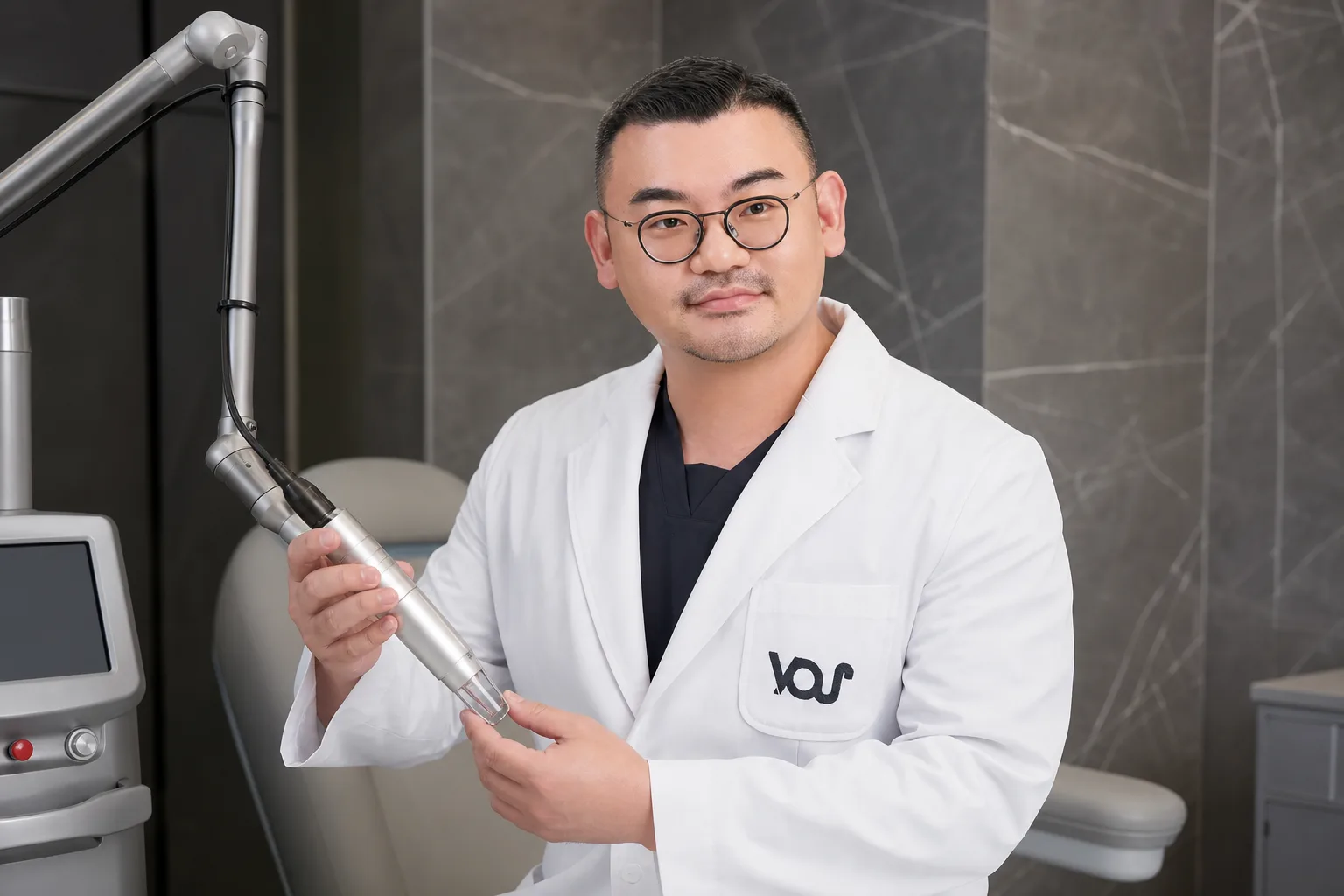
I'm Dr. Hongseok Kim, a board-certified dermatologist with 21 years in practice, and at VOS Dermatology Clinic in Gangnam I do every consultation and every treatment myself, one patient at a time. Visitors often ask me whether they can "just get a skin analysis" while they are in Seoul, sometimes before they have decided on any treatment at all. I like that question, because it starts where I think every plan should start: with a careful look at your skin.
So here is the direct answer. A skin analysis in Seoul can mean anything from a quick camera scan in a beauty store to a full dermatologist assessment with imaging, a questionnaire and an in-person examination. Only the second gives you a diagnosis and a plan. This guide is for adults visiting Seoul who want to know what a proper skin analysis includes, what it cannot tell you, and how to get the most out of one on a short trip.

Skin analysis vs skin diagnosis
A camera can measure. It can count visible pores, map oil, estimate pigment and photograph texture under different light. That data is useful, and devices for it are common in Korea, from department-store counters to clinics.
A diagnosis is a judgment. It asks why the skin looks the way it does, whether something is a medical problem, and what will change it. Two people with the same scan result can need opposite plans. One has redness from a damaged barrier; another has redness from dilated vessels. The image looks similar, but the treatment does not.
That is why I treat imaging as one input among several. It sits next to what you tell me, what I see and feel when I examine you, and what I know about skin disease from training as a dermatologist. If you want to understand what that training involves, I explain it in my article on what a Korean dermatologist is.
What we look at during a skin analysis at VOS
At VOS, the assessment has three documented parts. Each answers a different question.
- 3D Meta-view. A system that observes the skin layers from multiple angles, so I can see surface and depth together rather than a flat photo.
- 3D skin analysis. Imaging used to assess complex skin issues more precisely, such as texture, pores, pigment and redness.
- VOS Skin MBTI. A questionnaire-and-analysis method designed by board-certified dermatologists. It reads how your skin tends to behave, not only what type it is today.
The idea behind the last one is simple. Skin type can be measured, but skin tendencies have to be interpreted. Does your skin flare after travel? React to new products? Darken easily after a laser? Those habits matter as much as the picture. The details of the method are on our VOS Skin MBTI page.
Worth knowing: No scan, however detailed, replaces an examination by a doctor. A machine can show that a spot is dark. It cannot decide whether that spot is melasma, a sun spot, a mark left by acne or something that needs a closer medical look.
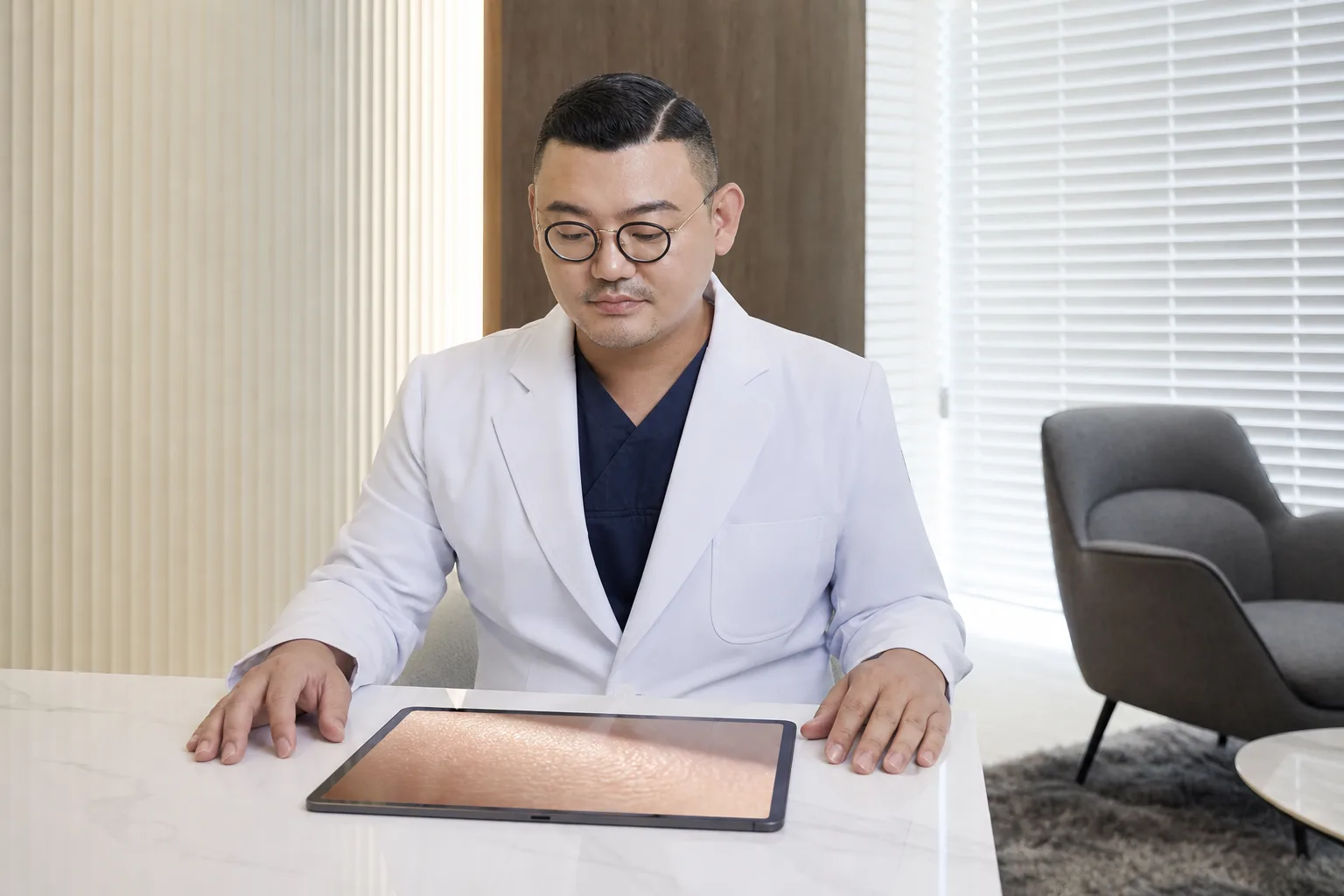
What a skin analysis can tell you, and what it cannot
This table is a fair summary of what I can and cannot learn from imaging alone. It is general, and it varies from person to person.
| Aspect | What imaging shows well | What needs a doctor's judgment |
|---|---|---|
| Pores and texture | Size, distribution, roughness | Whether scarring, oil or laxity is the cause |
| Pigment | Where it sits and how widespread | Melasma vs sun spots vs post-acne marks |
| Redness | Areas and intensity | Barrier damage vs vessels vs rosacea |
| Fine lines | Depth and location | Whether they come from dryness, movement or volume loss |
| Moles and spots | A clear magnified image | Whether a lesion needs a medical work-up |
| Skin tendency | Not shown on a scan | Read from your history and the Skin MBTI questionnaire |
Pigment is the clearest example. Melasma and sun spots can look alike in a photo, yet some laser settings that help a sun spot can make melasma worse. I go into this in my guide to Korean melasma treatment, because it is where a careful analysis changes the plan most often.
When the analysis looks beyond the skin
Some skin problems keep returning however well they are treated on the surface. Chronic dryness, dull tone, slow healing or hair thinning can sometimes reflect what is happening inside the body. For these cases, VOS also offers functional medicine testing, which looks at physiological, metabolic and immune balance to find the causes behind recurring symptoms.
This is not a routine part of every visit, and it is not a treatment in itself. It is a diagnostic step for people whose skin concern seems connected to fatigue, aging or broader health. If that sounds like you, mention it in your first message, because the testing needs planning time.

What a skin analysis visit looks like in Seoul
For most visitors the analysis happens on the same day as the consultation, in a private room. You check in, we remove any make-up, the imaging is taken and you complete the Skin MBTI questionnaire. Then you sit with me, and we go through the images together.
I prefer to explain what I see on the screen rather than hand you a printout. You will see your own pores, pigment and texture magnified, often for the first time, and it helps to have someone explain which findings matter and which are normal. Then we talk about what you want to change and what is realistic.
If treatment makes sense, it can sometimes be done the same day. If it does not, I will say so, and you leave with a plan rather than a procedure. For many visitors on a short trip, that is the more useful outcome. My guide to planning a skin clinic visit in Seoul as a foreigner covers timing, payment and how to fit treatment around flights.
How to prepare so the analysis is accurate
A few simple steps make the results far more reliable:
- Arrive without make-up or tinted sunscreen if you can.
- Skip exfoliating acids and scrubs for a few days before, so the skin is not freshly irritated.
- Bring a list of the skincare and medicines you use, especially retinoids or acne tablets.
- Tell me about any recent laser, peel, filler or skin booster, and roughly when.
- Note any mole or spot that has changed, and point to it at the start.
- If possible, avoid a long sunbathing day just before the visit.
Jet lag, a long flight and Seoul's dry autumn air can all make skin look tighter or redder than usual. I take that into account, but it helps if you tell me how your skin normally behaves at home.
How I approach skin analysis
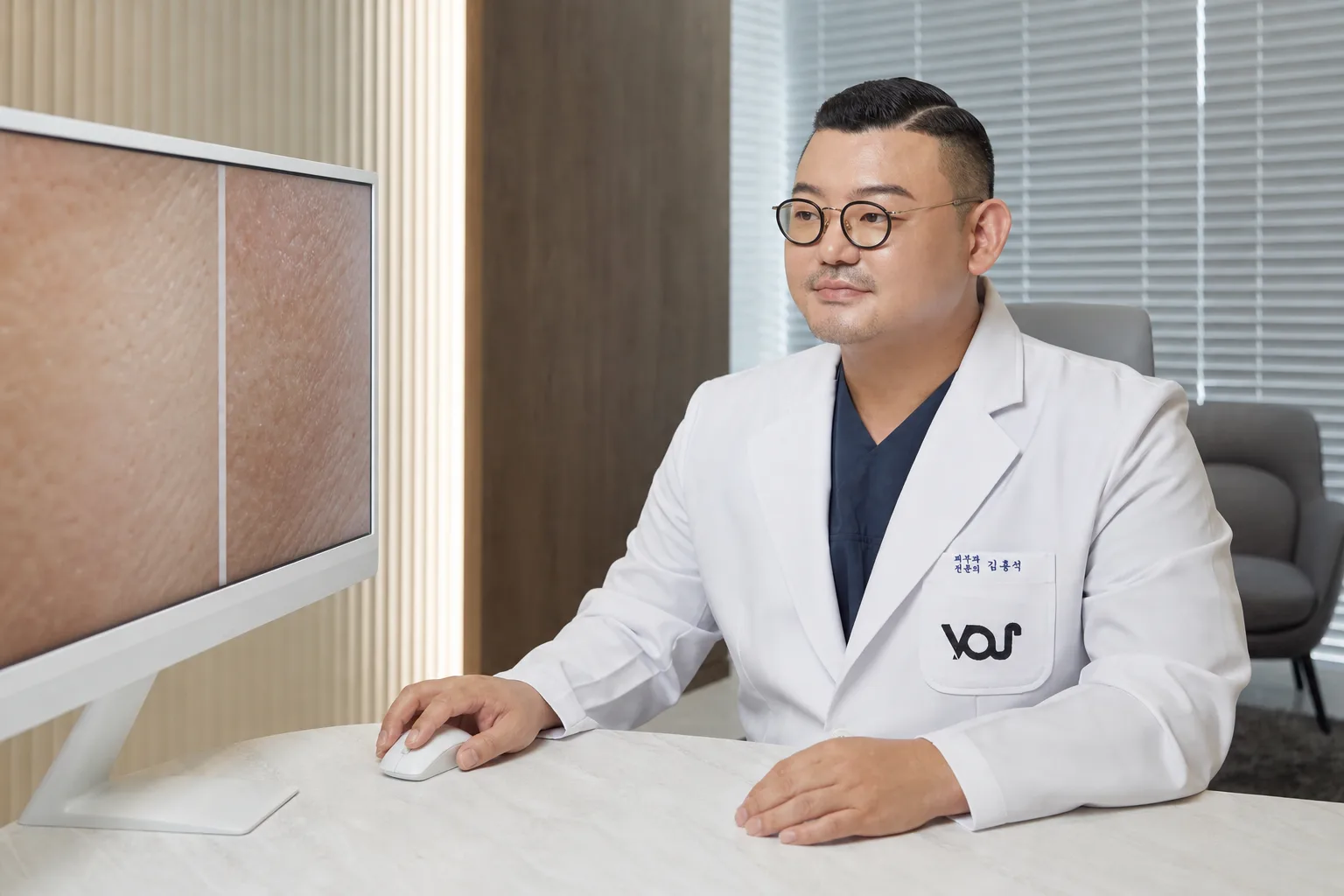
For me, the analysis is the conversation, not a sales step before it. I look at the images, I examine your skin in person and I ask how it behaves through the year. Then I tell you which findings matter, in plain language, and which ones I would leave alone.
Often the plan is smaller than people expect. A patient may arrive asking for a laser and leave with advice to repair the barrier first. Another may need a skin booster such as Rejuran for thin, sensitive skin rather than anything stronger. When there is a medical question, such as a changing mole, that comes before any cosmetic plan.
A skin analysis is part of the consultation and is not listed as a separate item on our English price list, so any cost is quoted after consultation. Results, timing and what treatment can achieve vary from person to person.
Before you message us
The answers above cover the questions I hear most. To prepare your visit, send a clear photo of your face in daylight, without make-up, plus a short note on what bothers you, how long it has been there and your travel dates. If a particular mole or spot worries you, include a close-up.
Results, timing and recovery vary from person to person. Nothing here replaces an in-person consultation with a dermatologist.
Send your concern, your photos and your dates on WhatsApp, and our team will reply with what to expect from your visit before anything is scheduled.
See me explain it on video
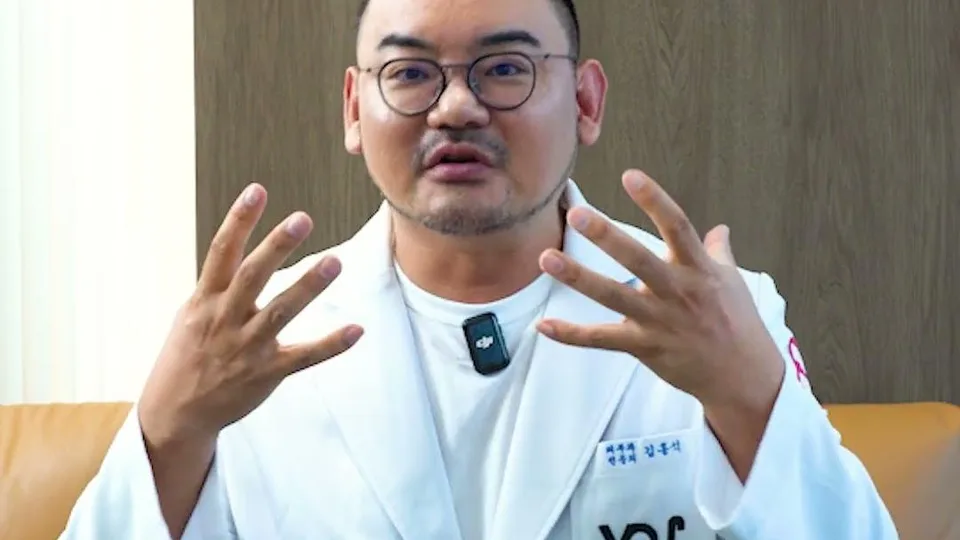
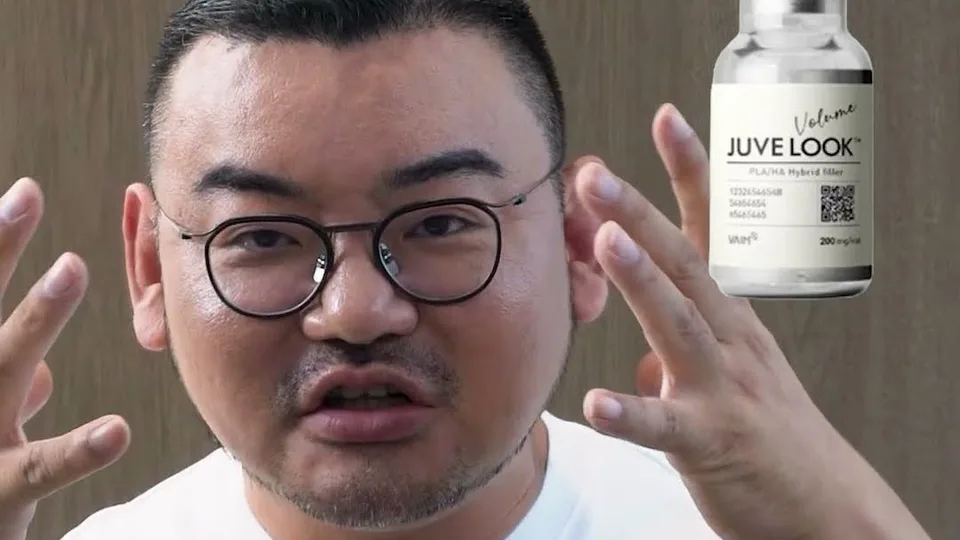
I answer the questions patients ask me on camera. The YouTube channel is in Korean with English titles; Instagram and TikTok are for international patients.

Questions readers ask about skin analysis seoul
Do I need a skin analysis if I already know what treatment I want?
Is a skin analysis in a cosmetics store the same as at a dermatologist?
Should I wear make-up to my appointment?
How much does a skin analysis cost at VOS?
Can a skin analysis find skin cancer?
Results, timing and recovery vary from person to person. This article is general information from VOS Dermatology Clinic and does not replace an in-person consultation. Any prices mentioned are from the clinic’s official price list (KRW, before VAT) and may change.
Related articles
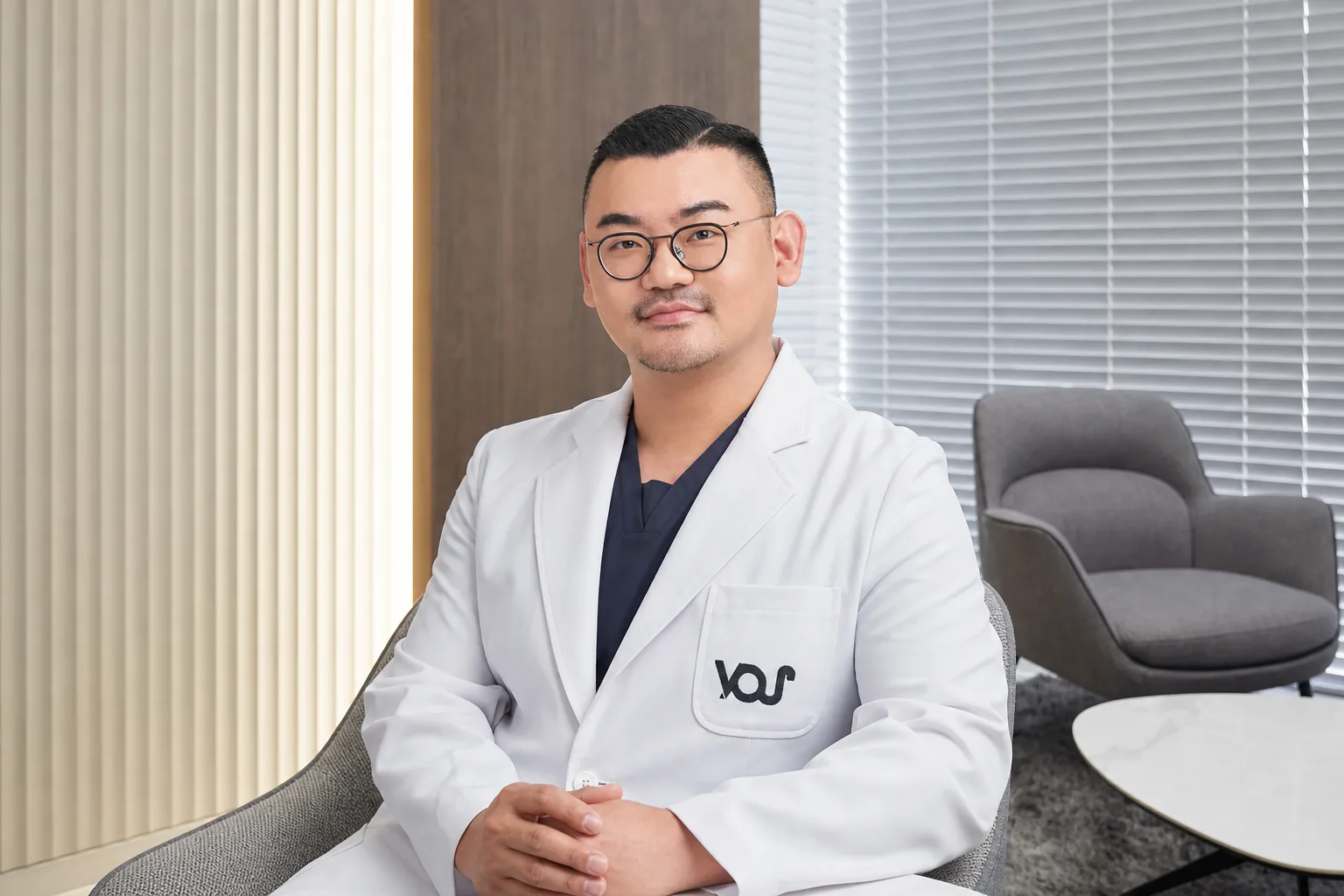
Korean Dermatologist: What Board Certification Means
Korean dermatologist guide: what board certification means in Korea, how to check who treats you and what to ask before booking — VOS Dermatology, Gangnam.
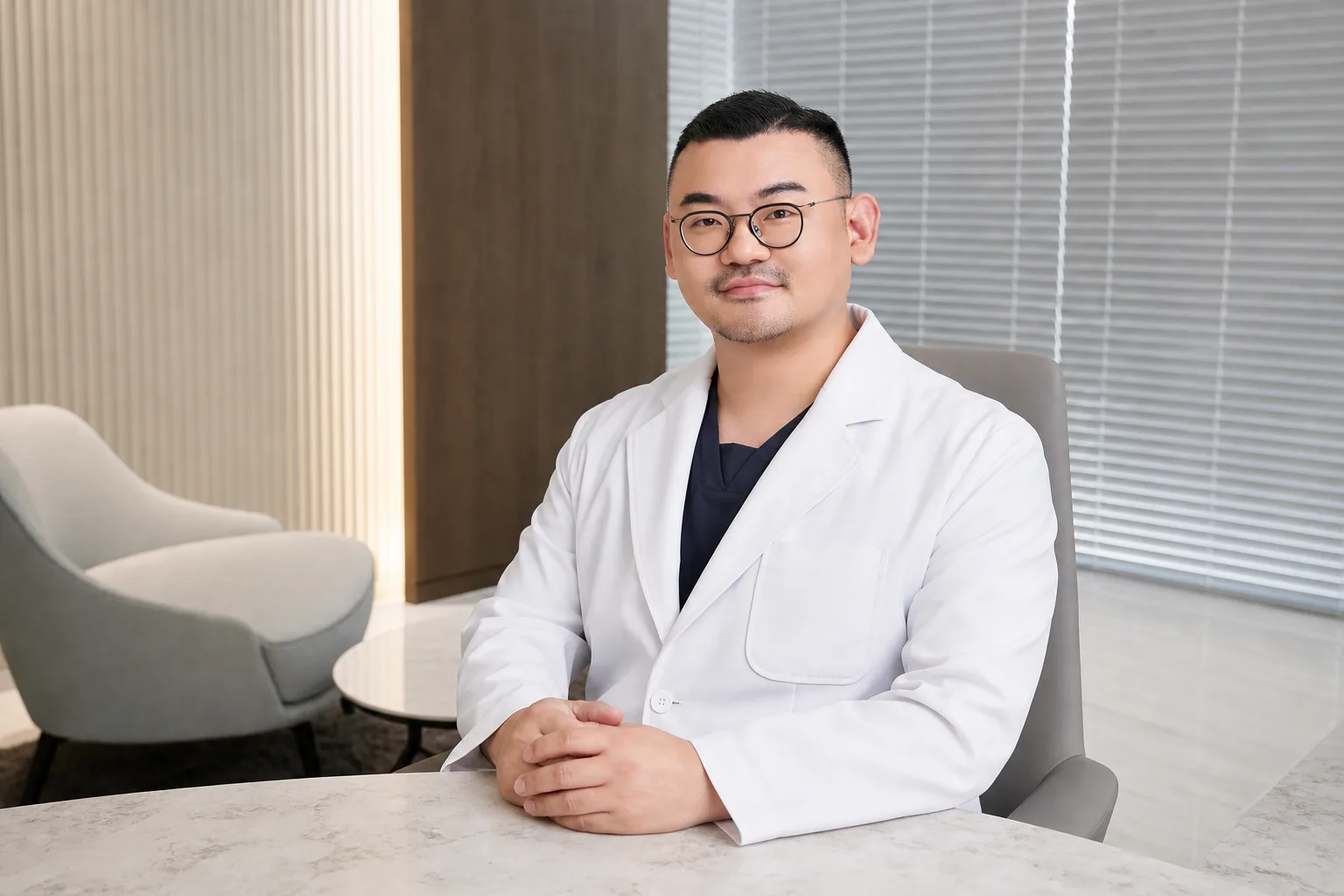
Skin Clinic in Seoul for Foreigners: A Visitor's Plan
Skin clinic in Seoul for foreigners: what to send before you fly, fitting downtime into a trip, one price for all, aftercare at home. VOS Dermatology, Gangnam
Korean Melasma Treatment: Lasers, Relapse and Real Timelines
Korean melasma treatment explained: why melasma returns, gentle lasers vs creams and tablets, what one Seoul trip can do — VOS Dermatology, Gangnam.